

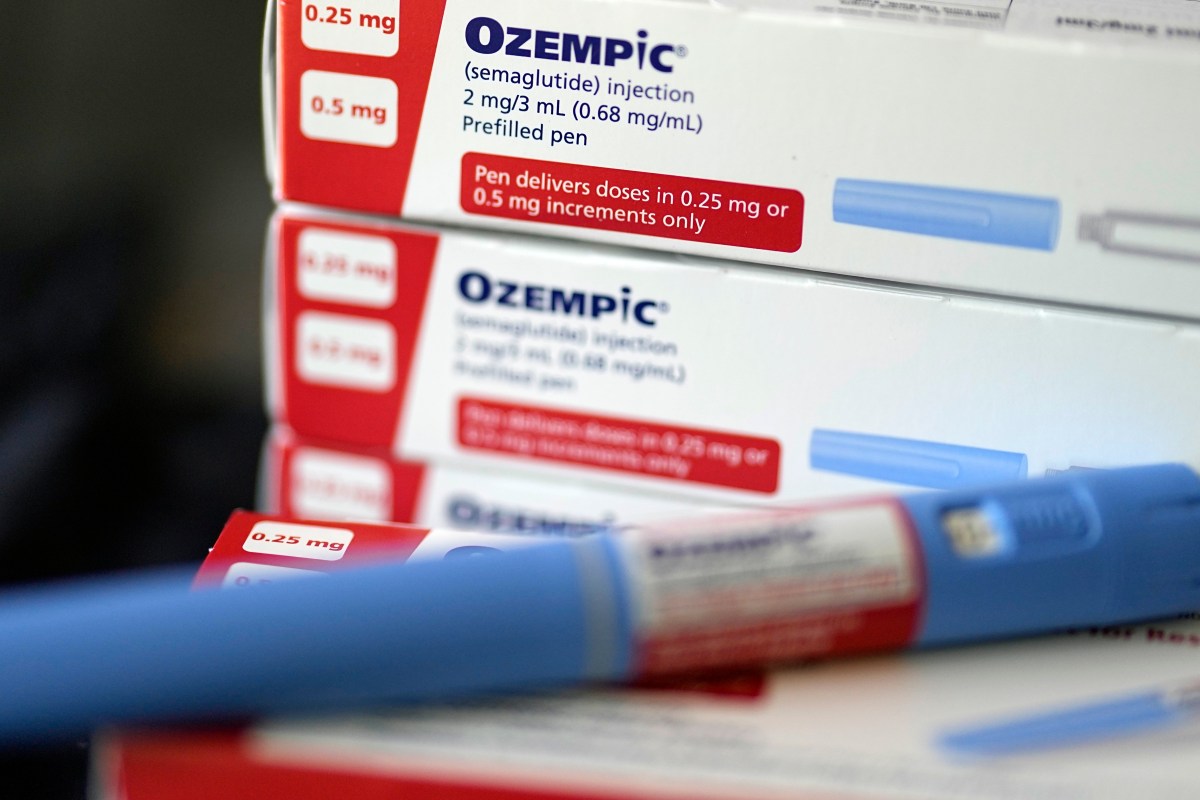
UVM Health plans to stop paying for some weight loss medications for employees on its health insurance plans, the hospital group announced in an email Wednesday.
The hospital group says it expects to save $19 million each year by no longer covering the cost of the drugs for weight loss, a change that will begin in September. Shifting the cost onto individuals will help keep insurance premiums down, a representative for UVM Health said. More than 10,000 employees and their family members receive insurance through the healthcare network.
“This change was made based on clinical and financial data and comes after a years-long process that included clinical review, feedback and recommendations from a panel of experts,” Phil Rau, a UVM Health spokesperson, wrote in a statement to VTDigger. “It is one of many difficult measures we are taking to help control the cost of care we provide to all our patients. That cost reflects our expenses, including employees’ health benefits.”
GLP-1 drugs, initially designed to treat type-2 diabetes, have been approved for treating obesity and related health complications. They’ve been associated with a host of health benefits, including sleep apnea management, arthritis management and improved heart health.
The out-of pocket cost for the drugs can run between $800 to $1200 each month.
The hospital group intends to continue covering the drug for diabetes, Kevin Kelleher, the hospital’s vice president of human resources, wrote in an email to employees.
The hospital network, which includes three Vermont and three upstate New York hospitals, as well as a home health and hospice group and a constellation of clinics, is under intense financial pressure. The flagship Burlington hospital loses an estimated $460,000 a day, the network’s president and CEO Dr. Steve Leffler has said.
An independent liaison found that the group needs to cut its spending by $100 million each year for the next three years to remain solvent. In early June, the group cut 142 jobs, to achieve $9.5 million in cost savings. Last week, Leffler told Vermont Public more cuts are inevitable.
Some employees, including Haley Duquette, a nurse for UVM Home Health and Hospice, worry about the long-term health impacts of losing coverage of the drug for weight loss.
Duquette has used the drug Zepbound for weight loss for more than two years.
“It’s just been life-changing, and it’s always been covered,” she said.
She pays $30 a month for the drug. On it, she’s lost 70 pounds.
“Stopping doesn’t feel like an option to me,” she said, but thinking of footing the bill makes her “sick to her stomach.”
The list price for the Zepbound can be as high as $1,086 a month, without insurance or a group-purchasing discounts.
Leaving her job doesn’t feel like an option either. She loves what she does and knows that few other employers cover the expensive drug for weight loss.
A number of her friends, she said, have left other jobs and sought employment at UVM Health specifically for the healthcare coverage of GLP-1s.
Melissa Lavallee, an administrative and financial assistant at the network, said her husband, who is on her health insurance through UVM Health, has been taking a GLP-1 for his sleep apnea. He lost more than 100 pounds and lost the lower back and knee pain that long plagued him, she said.
“It affects short-term spending, it affects long-term health,” Lavallee said.
On the same day as UVM Health’s announcement, Medicare, the federal health insurance for adults 65 and over, launched a pilot program to cover GLP-1s for weight loss. Part of that pilot will include an evaluation of whether health improvements will reduce overall healthcare spending enough to offset the high cost of the drugs, an area where many see the need for more research.
A collection of papers from the National Bureau of Economic Research, a Massachusetts think tank, found that there is no reduction in overall healthcare spending for an individual starting a GLP-1 — and one found that non-drug spending actually rose. The papers’ authors attribute that to higher outpatient costs, even as spending on other medication fell.
Rau, the UVM Health spokesperson, cited similar findings from the consulting firms Mercer and PSG in explaining the network’s decision. He added that many people without type-2 diabetes stop taking the medication within a year, negating potential long-term health benefits of the drugs.
Still, in its announcement to employees, the hospital network advised people taking the medications against immediately stopping. Instead, they should seek guidance from a clinician about next steps.
