Theo Wells-Spackman is a Report for America corps member who reports for VTDigger.
MILTON — Standing on a dock at a Lamoille River fishing access last week, Andrea Shortsleeve said that ballooning expenses and high demand are making state land and infrastructure harder and harder to manage.
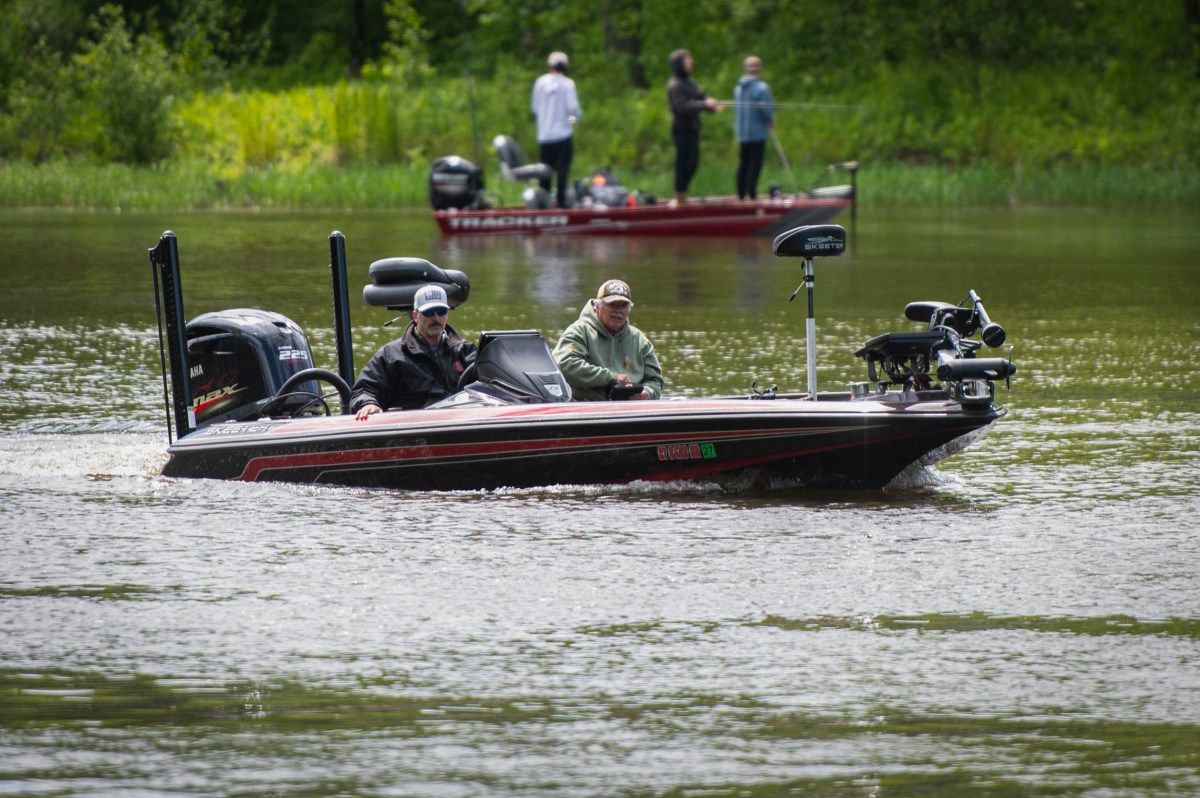
Moments later, Shortsleeve, who is the Vermont Fish and Wildlife Department chief of operations, watched an enthusiastic motorboat pilot crash into the dock, leaving the structure shuddering and sending a passenger sprawling.
“Crunch,” Shortsleeve said. “It’s a strong current today.”
Shortsleeve’s funding concerns are echoed in state and federal public land agencies alike. The Fish and Wildlife Department is readying what will be one in a string of recent proposals to raise more fee revenue from people enjoying Vermont lands. Visitors may also see more frequent, gradual price hikes for state parks and increased costs to access recreation sites in Vermont’s federal forests under proposals currently open for public comment.
With both state and federal agencies feeling the fiscal pinch, officials are weighing needed services on public lands against Vermonters’ affordability concerns.
In a Wednesday press conference, Gov. Phil Scott said he supported the recent state fee proposals but stressed that he didn’t take such steps lightly. His administration wants to keep state parks and lands accessible, he said, especially for “blue-collar families who are struggling to get by and just need some relief, and want to have some fun with their kids.”
Julie Moore, Vermont’s natural resources secretary, agreed, adding that her staff is “not immune to the inflationary pressures that any other business or enterprise in the state has seen.”
“We’re always looking to strike that balance,” she said.
‘Massive backlog of deferred maintenance’
The U.S. Forest Service has recently proposed increased fees for people camping, boating or picnicking at some of the popular recreation sites on federal lands in the Green Mountain National Forest, such as Moosalamoo and Hapgood Pond campground and pavilions. The vast majority of additional dollars collected through the planned fee hike — which Vermonters can comment on until the end of July — will fund local site maintenance.
Under the proposal, some sites that previously have been free to visit would soon come with a fee. The Forest Service will also offer higher premium rates for campsites with lean-tos or near water bodies, which cost more for upkeep, according to an U.S. Department of Agriculture spokesperson, who did not give a name, in an emailed statement to VTDigger.
“The Green Mountain National Forest’s recreation fee proposal is intended to offset the costs of maintaining trails, campsites, and restrooms due to increased wear and tear from increased visitation,” wrote the spokesperson.
As volunteer work has been crucial for current maintenance, the Forest Service is working with local groups to create a volunteer stewardship program along with other long-term “solutions for this season and beyond,” according to the spokesperson.
Ellen Montgomery, director of the Great Outdoors Campaign for Environment America’s policy and research center, said it may be reasonable to increase rates for these sites, but in the long run, federal public lands need more designated funding and staffing amid “a massive backlog of deferred maintenance.” Environment America is a coalition of national nonprofit environmental groups.
Shelby Semmes, vice president for the New England region for the nonprofit Trust for Public Land, wrote in a statement that many agencies are facing financial strain while more Vermonters are seeking out recreational opportunities on public lands and trails.
“Ultimately, we believe everyone benefits when public lands have reliable, sustainable funding that keeps pace with visitation and stewardship needs,” Semmes said.
‘Ever-expanding’ costs
Shortsleeve said the costs of her team’s work — including healthcare, fuel and information technology costs — are “ever-expanding.” The team is undergoing a financial “restructuring,” she said, but in order to continue fulfilling the department’s broad responsibilities, new funds are needed.
Sales from hunting, fishing and trapping licenses — a primary source of revenue for the department — have also declined significantly over the last three decades, heavily influenced by demographic and lifestyle shifts across the state.
Last fall, in a bid to ease those financial difficulties without overburdening any one group of users, Fish and Wildlife Commissioner Jason Batchelder proposed a new license type for people without hunting and fishing licenses to visit any land that his team stewards. Until recently, he could have introduced the new license without legislative input. But lawmakers, who raised concerns about levying this new cost on Vermonters, passed statutory language this session that stripped the commissioner of his ability to set fees at all.
In an interview Thursday, Rep. Emilie Kornheiser, D-Brattleboro, who chairs the tax-writing House Ways and Means Committee, said she had broad concerns about the original request. For one thing, the state’s longstanding “right to roam” that protects public access to land in most cases was potentially eroded in the proposal, she said.
“That’s a really important part of our culture,” she said. “If (the new license) was going to happen, we certainly wanted to have a fulsome legislative debate about the issue.”
It’s also important that lawmakers can review and manage fees all at once so they can properly prioritize, Kornheiser said, and to maintain transparency for Vermonters.
Scott’s support for the new license was a relatively unusual departure from his administration’s commitment to not levying new taxes or fees, Kornheiser added, the reasoning for which she found “unclear.”
Shortsleeve said her team’s new inability to set fees might make the path to financial stability “a little tricky.” But she plans to press on with a narrower proposal next year that would impose a new fee just for the state’s roughly 200 fishing access areas, which see more use than all other department properties combined. Adults who already hold a hunting or fishing license or who use a state-registered motorboat would be exempt, as would children.
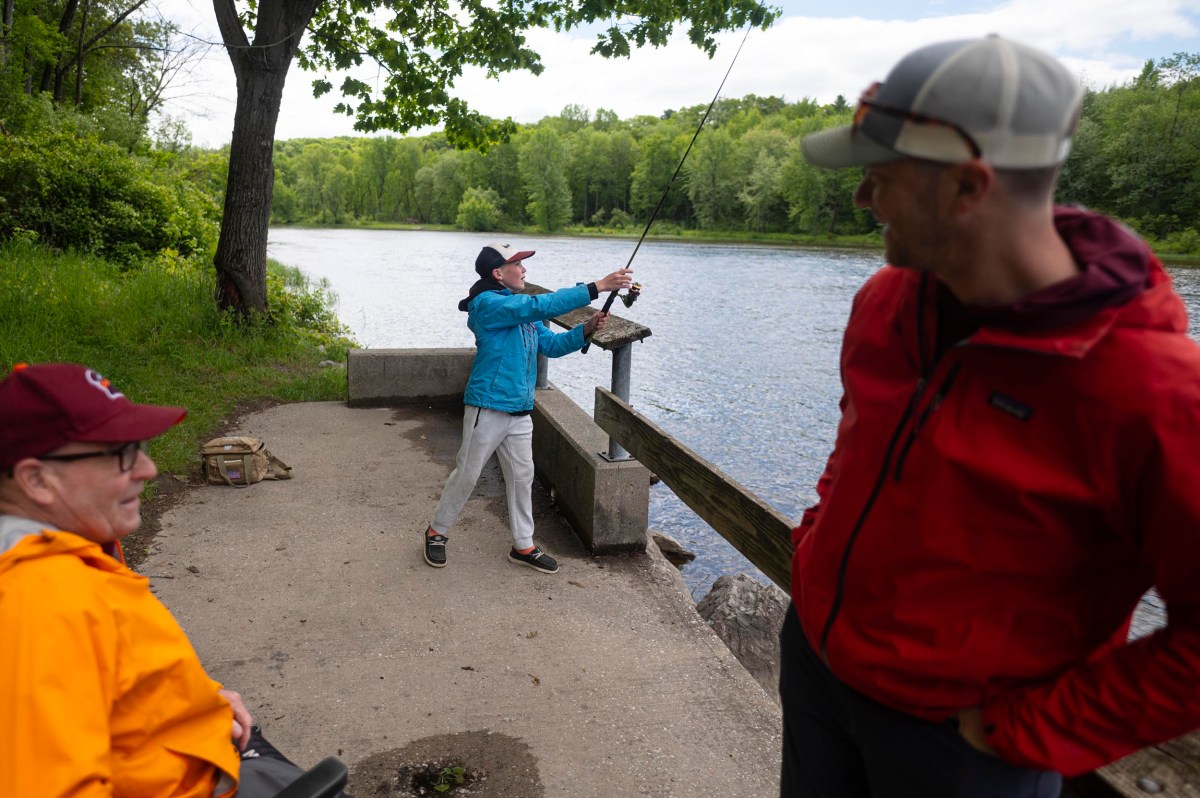
The target population, which would include some 24,000 estimated kayakers, canoists and other visitors, would need to pay $20 annually or $5 per day to use the land, Shortsleeve said. The change would ultimately bring in about $250,000 annually, she said.
For her, the move would also address a fairness issue. Those groups don’t pay to use the areas at present, while license holders and motorboat users do. Raising fees for existing licenses, while simpler, might worsen an existing equity issue by overburdening hunters and anglers, Shortsleeve said. ZIP code-based data from her department indicates that those purchasing hunting and fishing licenses are on average less affluent than the average Vermonter.
The new, narrowed license type will face scrutiny again from lawmakers in the next legislative session.
Fluctuating prices at state parks
The Vermont Department of Forests, Parks and Recreation wants to bolster revenue from state parks, citing their own rising costs. The department’s proposed rule update would allow the commissioner more flexibility in setting prices based on “use, demand and cost recovery.” The suggested change is up for public comment until June 11 and would not affect this year’s rates.
The department manages 55 state parks that see around a million visitors per year, said Commissioner Danielle Fitzko.
While increased recreation has boosted the state’s economy in recent years, state parks have seen a slight dip in visitation and revenue last year due to drought and the decline of Canadian tourism, Fitzko said. Around 70% of park operations are typically covered by the recreation fee revenue, Fitzko said, but overhead has surged. The cost of waste disposal spiked 15% in the past year, according to Fitzko.
Prices are currently set through rulemaking every three to four years, Fitzko said, which can lead to dramatic jumps in recreation fees to keep up with the costs of staff, maintenance, waste disposal, energy and other resources at state parks. Moderate increases to fees year-to-year would be “better on Vermonters,” she said, and the public would be apprised of any change 90 days in advance.
Kornheiser expressed doubts about the idea. Pricing based on use and demand could ultimately mean that common or convenient vacation times see higher rates for locals, she said.
“I think it’s really important that our parks remain open and affordable and available for Vermonters,” she said. “I want to make sure that we’re not doing anything to sort of perpetuate Vermont as a playground for other people.”
Fitzko emphasized that out-of-state visitors pay higher user fees than Vermonters do. The state’s partnership with the Vermont Parks Forever program also cuts barriers by providing free access to state parks for eligible Vermonters, including those enrolled in programs like 3SquaresVT, Fuel Assistance or Reach Up. Under its current authority, the department may also implement discount promotions for Vermonters to camp midweek or during other underutilized times, Fitzko said.
Montgomery, the campaign director in Environment America’s research and policy center, said a more complicated or changing fee structure can create confusion for the public and additional barriers to access beyond cost. Montgomery suggested diversifying revenue streams while streamlining the public payment model in a recent report on strategies to address state parks’ funding shortfalls across the country.
Dani Luce, the executive director of Vermont ATV Sportsman’s Association Inc. and the board chair of the Vermont Trails and Greenways Council, said that trail maintenance, parking areas, restrooms, signs and resource protection all cost money and that funding has not kept pace with demand in Vermont. Luce formerly worked as the operations manager for the Department of Forests, Parks and Recreation.
“I think a common misconception is that recreation is free,” Luce said. “I think the challenge is kind of finding funding mechanisms that are more sustainable while also making sure that we maintain accessibility to everyone.”