

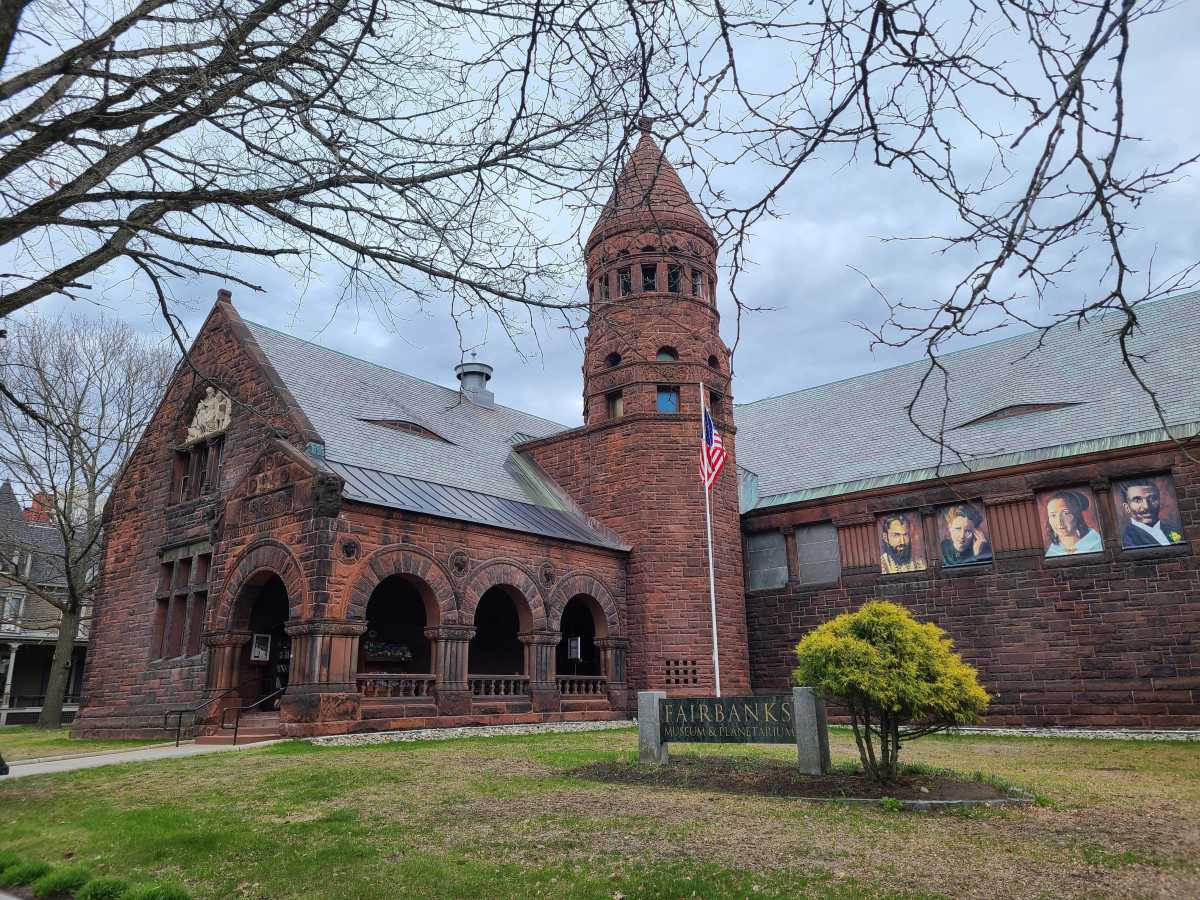
Two court cases challenging cuts to federal funding for Vermont’s libraries and museums have quietly come down in favor of Vermont institutions that loudly protested the moves last spring.
They worried about the future of services the funds support, such as inter-library loan, eBook access and innovative museum and archival projects. The cases’ settlements last month permanently reinstated the funding and its overseeing agency, the Institute for Museum and Library Services.
One case was joined by the Vermont Attorney General’s Office, one of many lawsuits joined by the state that are winding their way through the legal system. Though the 2027 federal budget proposal advocates for gutting the institute, similar proposals have been rejected previously by Congress, and leaders of Vermont cultural institutions are hopeful that the funding will continue following the legal settlements.
“I’m optimistic that even if there continues to be hurdles that IMLS and its advocates and defenders need to overcome in the next couple of years, 10 years from now we still have IMLS, and it’s still doing the good work that it does,” said Adam Kane, executive director of the Fairbanks Museum & Planetarium in St. Johnsbury, in an interview last week.
Funding from the institute provides roughly one-third of the state Department of Libraries’ budget, amounting to approximately $1.24 million for the 2026 fiscal year and consistently supporting shared services like inter-library loan across the state. Due to the timing of a court injunction, the department received its full grant as anticipated with no gaps in services, said State Librarian Catherine Delneo in an email.
For other cultural institutions like the Vermont Historical Society, however, funding from the institute operates through a competitive grant process that was interrupted by the federal organization’s dismantling and subsequent legal battle.
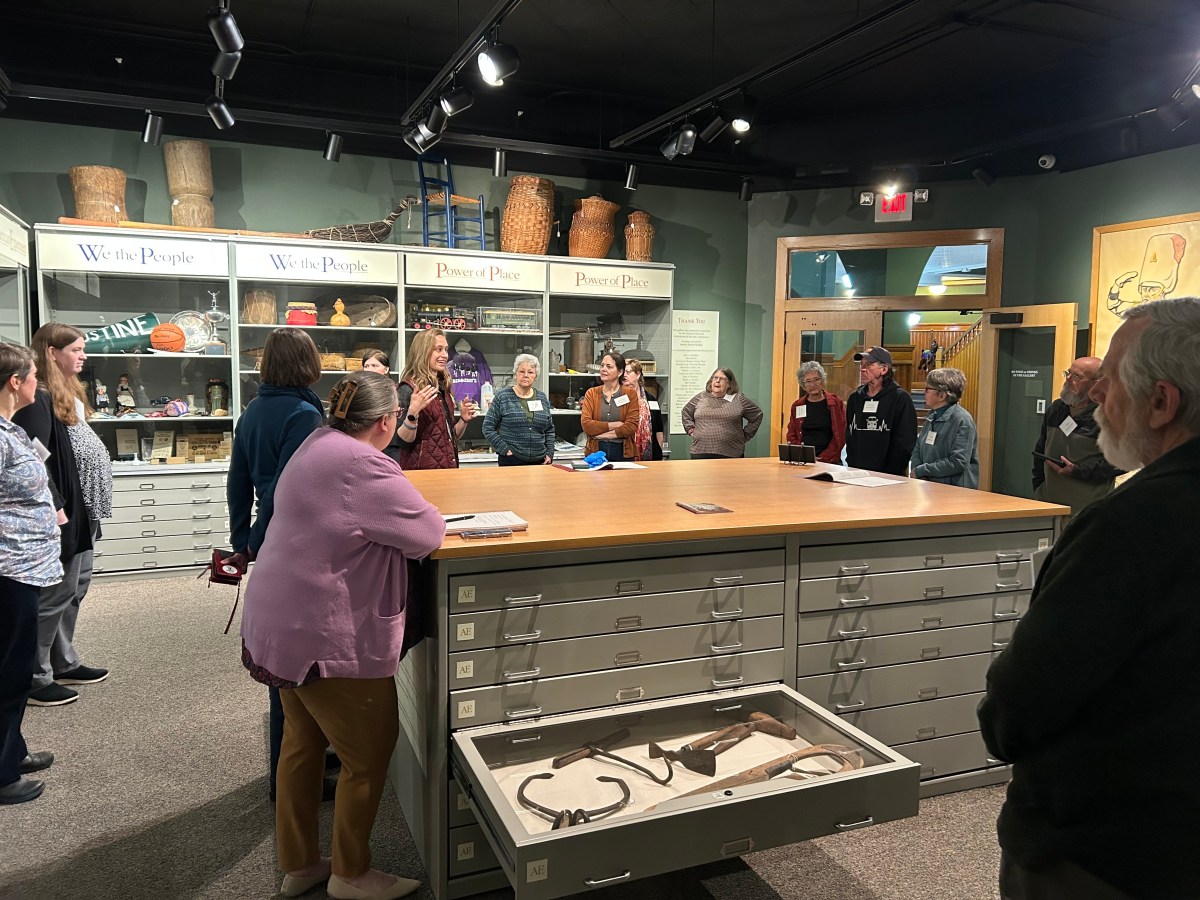
Late last spring, the historical society was in the midst of its Activating 21st Century Local History Training Program when it got the news. After informing the public that it was likely going to have to end the program early and lay off a staff member, donors reached out with funding support, and an injunction later restored the grant.
The training program has provided education for a dozen historical societies and museums across the state on how to better adapt their collections to match their mission. It will wrap up later this year, though Eileen Corcoran, director of service and outreach for the Vermont Historical Society, said in an email that the society wants to continue some parts of the program in the future.
The Fairbanks Museum was not in the midst of any active grants when the fate of the institute was thrown into chaos, Kane said, though it had applied for two highly competitive matching grants, as it generally does each year. Those grants were eventually rejected.
This year, the institute’s grant cycle was delayed by a few months, but the Fairbanks Museum eventually submitted three applications in March: one a revision of a previous application to do a community archival project, one for an astronomy education program and one for an exhibit on the Champlain Sea.
“The vast majority of Vermonters have had some level of impact from these grants,” Kane said. “This is not some abstract thing.”
Though the institute’s guidelines for its current grant process include all the same programs that had existed previously, it also “particularly welcomes projects” that relate to Trump administration executive orders with titles such as “Restoring Truth and Sanity to American History,” “Eradicating Anti-Christian Bias” and “Making Federal Architecture Beautiful Again.” The institute is also sponsoring “Freedom Trucks” to travel across the country, “sharing the story of our nation’s founding.”
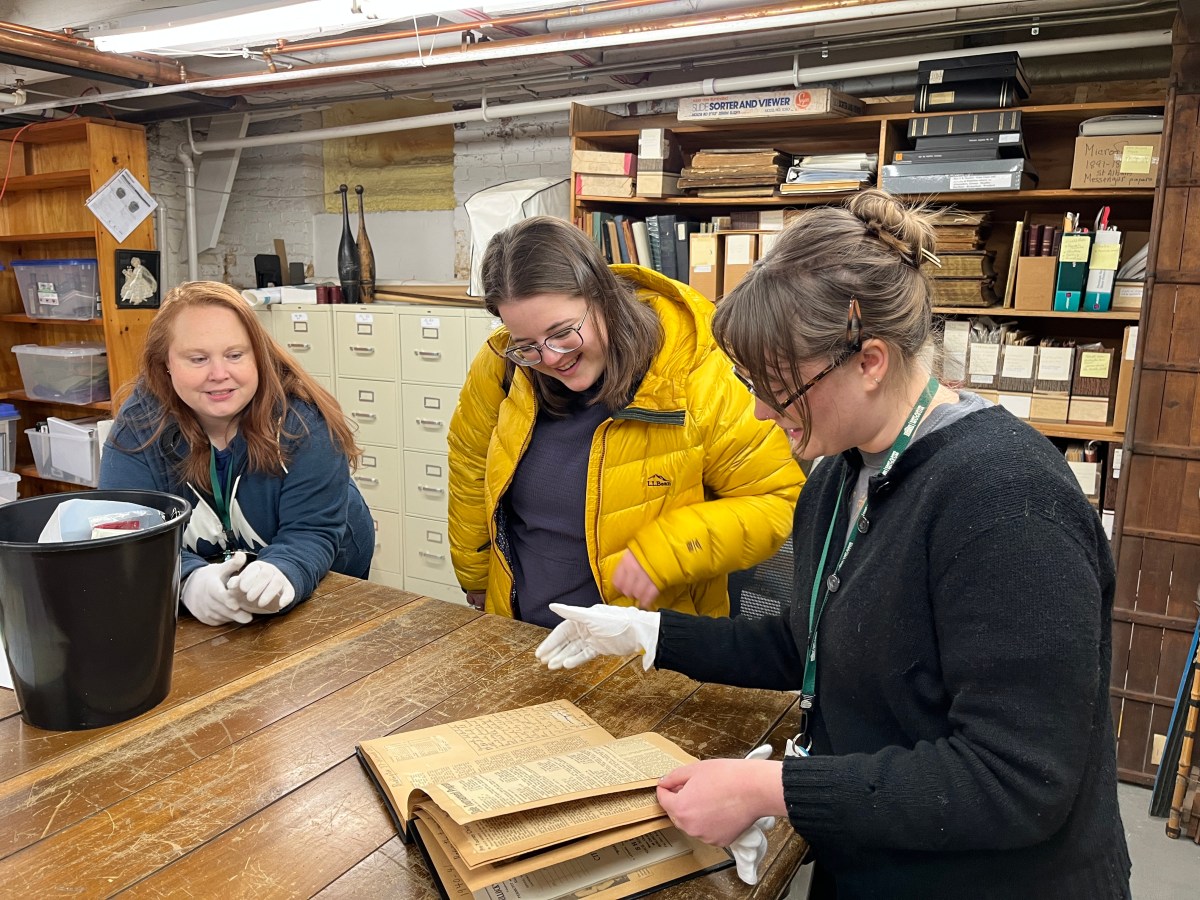
According to Nicole Bova, director of development for the ECHO museum in Burlington, this language has made the center “unclear on what types of projects will be funded,” though the museum has recently submitted a grant application, as in years past. The center does not have exhibits currently funded by the institute, she said, though it has used its funding to start its education outreach program.
“We remain hopeful that IMLS will be a funding source for institutions like ECHO in the future but don’t have enough information to confidently state that will be the case in the near term,” Bova said in an email.
Kane is clear that the institute’s grants for museums and funding for libraries is “not a political thing.”
“It is such an infinitesimal fraction of the federal government’s budget,” he said. “This should not be something that we are fighting over, because everybody everywhere needs museums and libraries and for them to be able to function and do their job. They’re just a really important part of a society, and that’s not a red state or a blue state thing.”
