This story by Jason Starr was first published in the Williston Observer on May 7, 2026.
We have decibel data from Vermont Air National Guard F-35 flights out of Burlington International Airport, and we have anecdotes of people’s experience with the overpowering noise of the fighter jets’ takeoffs.
But we don’t yet have population-level data about the noise impacts on the lives of Chittenden County residents.
UVM math and statistics professor Richard Single is aiming to provide that with a survey of people in Williston and other airport-adjacent communities that asks how the jets are impacting their lives.
Single said the survey has garnered about 2,000 responses since it went live in mid-April.
The survey will produce population-level data for questions such as: “How often does (F-35 noise) interfere with your ability to relax, to communicate, to concentrate and to enjoy the outdoors?” and “How often do you need to cover your ears, close windows in your house or pause work, meetings or phone calls due to F-35 noise?”
Noise monitors set up around the airport show that noise levels from F-35 takeoffs regularly top 70 decibels and occasionally reach over 100 decibels — a noise level that the Federal Aviation Administration acknowledges is incompatible with residential areas.
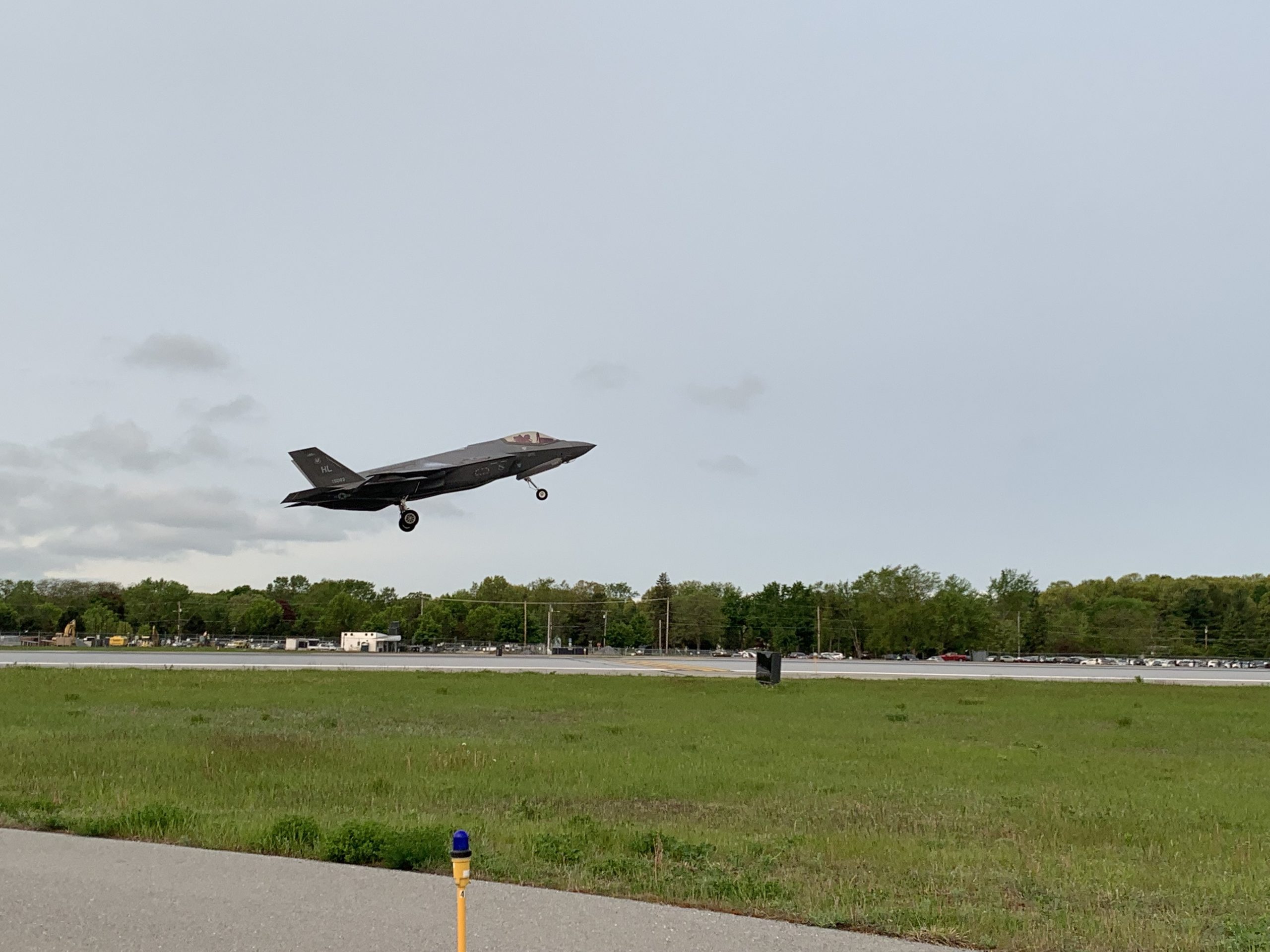
“I’m interested in being able to quantify the amount of disruption, distraction and discomfort that people experience in those surrounding communities to the airport from the F-35 flights,” Single said. “I want to be able to say what are the activities that are affected.”
He’s advertised the survey on Front Porch Forum, acknowledging that it is likely to be those most disturbed by the noise who take the time to complete the survey.
“I don’t think anyone has really assessed what the public’s thoughts are on this,” said Single. “I think it’s important that we know what the impacts are.”
He expects the results to show how far out from the airport impacts start to lessen, because respondents are asked what street they live on. His data will either corroborate or contradict maps published by the airport outlining residential areas impacted by excessive noise. Those maps are extrapolated from flight radar data and what is known about how F-35s power up on takeoff rather than from actual decibel readings or citizen input.
Single plans to publish a report from the survey results later this year.
Single is also designing a study to illustrate the human physiological response to F-35 takeoffs, recruiting students to use wearable technology that measures pulse rate variability.
“The noise that is coming from the F-35 … triggers an innate stress response in individuals that are exposed to it,” Single said. “We’re trying to see what is the impact in terms of a biometric measure during the overflight.”
That study was originally planned for this semester but was postponed because the F-35s have been largely absent from Vermont this spring.
According to a Vermont Air National Guard spokesperson, the majority of the Vermont Air National Guard’s 20 F-35s have been out of town on deployment since mid-December. A minority of the fleet is continuing to conduct training flights out of Burlington, mostly on Tuesdays and Thursdays.
“Flights aren’t as consistent as they once were when everyone was home and we were flying typically five days a week,” the spokesperson said. “There are a lot fewer flights.”
Vermont-based F-35s deployed to the Caribbean in December, according to news reports at the time. In March, multiple news outlets quoted the chairman of the Joint Chiefs of Staff saying Vermont’s F-35s had been moved from the Caribbean to the Middle East.