


This commentary is by Lucas Farrell and Louisa Conrad, who co-own Big Picture Farm, a goat dairy and artisanal confectionery, in Townshend.

The anger over Act 181’s Tier 3 map is real, and it is justified. Rural Vermonters are waking up to find their land in a regulatory tier they didn’t ask for, facing permitting burdens they can’t afford, for land their families have managed responsibly for generations. The Facebook groups, the open letters, the Vermont Farm Bureau collecting stories — this is what it looks like when a policy reaches people before they knew it was coming.
But the bills to delay Act 181 currently moving through the legislature, including S.325, won’t necessarily fix what’s broken. The problems with the maps are stark — no socioeconomic overlay, no Current Use overlay, no accounting for actual development pressure. But what nobody is talking about is why the maps were drawn that way in the first place.
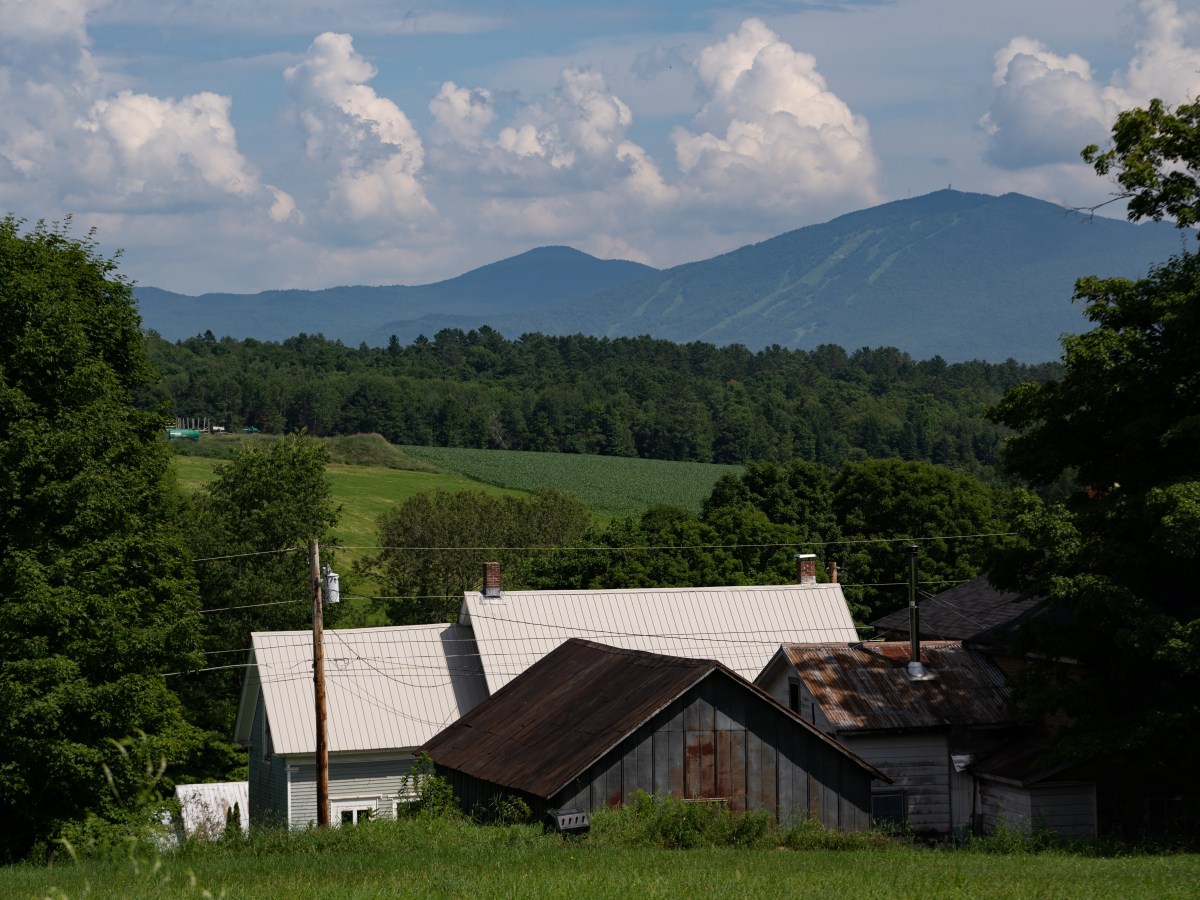
We’ve been farming goats in Townshend for 16 years. We are, by any honest measure, exactly what conservation looks like in Vermont. Solar-powered regenerative pastures, our woodlots and fields enrolled in current use. We manage for the long term. We hope to pass our farm on to our young daughters one day.
But under a new Vermont law, as revealed by the Tier 3 maps, we no longer count. All of our woodlots are in Tier 3. Our neighbors’ too. Much of the land in Townshend. What’s the biggest pressure our town faces? Not development. It’s the quiet arithmetic of 37 deaths last year and 12 births.
In 2023, Act 59 established the definition of “conserved land” that now governs Vermont’s 30×30 goals and every policy built on them. That definition requires a permanent legal instrument — a deed restriction, a conservation easement or a fee acquisition. Enrolled, managed, demonstrated stewardship doesn’t qualify. It doesn’t matter how many decades you’ve farmed, how carefully you’ve managed the forest, or that you’ve improved the wildlife corridors and ecological health of your land. Without a deed restriction, you’re not conserved. You’re just next in line to be regulated.
Vermont is an outlier. No comparable state has written permanence as a hard statutory requirement into its conservation definition. The national standard is moving toward durability and ecological function — California’s definition, the most influential in the country, requires only that land be “durably protected and managed.” Vermont’s own Agency of Natural Resources and Vermont Housing and Conservation Board, in their official inventory report, stated they do not believe Current Use enrolled lands can be considered durable for meeting the state’s conservation goals. The legislature passed it anyway. Then came Act 181, sponsored by the same legislator who authored Act 59, state Rep. Amy Sheldon, D-Middlebury, chair of the House Committee on Environment and Energy. We are lifelong Democrats. But the concerns rural landowners are raising now cut across partisan lines.
Sheldon didn’t act alone. She was working closely with Standing Trees, a Montpelier-based wilderness advocacy organization that had long pushed for exactly this definition of conservation. After passage, Sheldon acknowledged the concerns of working forestland owners as a “learning curve” and said that “if we get out of nature’s way, she will take care of things.” That is a coherent philosophy. It is just not Vermont’s.
Act 181 followed from the new definition of conservation codified in Act 59 as surely as mud season follows winter. Land that Act 59 ruled out of the conservation ledger became, by Act 181’s logic, land that needed oversight. Working stewards weren’t at the grand bargain table — the table where housing proponents and environmentalists divided up the future of Vermont’s landscape — because the definition had already determined they had nothing to defend. You can’t negotiate for conservation standing you’ve already been told you don’t have.
This isn’t a story about bad intentions. The people who wrote Act 59 weren’t trying to harm working families. But they imported a definition built on a different philosophy — one that equates conservation with the permanent removal of land from human decision-making. Under that standard, a deed restriction qualifies because it locks land away from future human use. Active stewardship — farming, managed forestry, decades of keeping land intact — doesn’t qualify, because it leaves the land in human hands. Vermont’s own conservation tradition, which has always depended on working people caring for working land, became invisible under this standard. Not by malice. By category error.
But invisible is invisible. And now the consequences are arriving.
The fix is available. The Act 181 Tier 3 maps are being revised right now — the voices of those with working lands need to be heard in that process. But the bigger fix is the statutory one: Act 59 itself. Vermont’s Conservation Plan — due to the legislature this year — has the authority to recommend amending the definition that started all of this. The definition can be changed to count enrolled, managed working forestland as the conservation it is. Not as a favor to farmers and foresters. As an accurate accounting of what Vermont’s landscape actually is and who has been keeping it that way.
Every delay bill, every map revision, every exemption negotiated in committee is a workaround for a statute that remains unchanged. The next legislation that reaches for a definition of conserved land will reach for the one Act 59 established. And the one after that.
Vermont wrote its own stewards out of the story. The Conservation Plan is the moment to write them back in.
Tell your legislators: the stewardship was always real. Working lands matter. Count us in.
