


This commentary is by Chris Young, president of the Vermont Principals Association (VPA), Rebecca Fillion, past-president of the VPA, and Holly Russell-Vroegop, the president-elect of the VPA.

In his January State of the State address, Gov. Phil Scott pinned Vermont’s hopes and dreams on the education system. It was encouraging, perhaps even inspiring, to hear Gov. Scott acknowledge that education can be solely responsible for achieving his vision for Vermont. Previously, this recognition was lacking as the education community was buffeted by political rhetoric that pointed a finger at schools for Vermont’s high property taxes, which contribute to its lack of affordability.
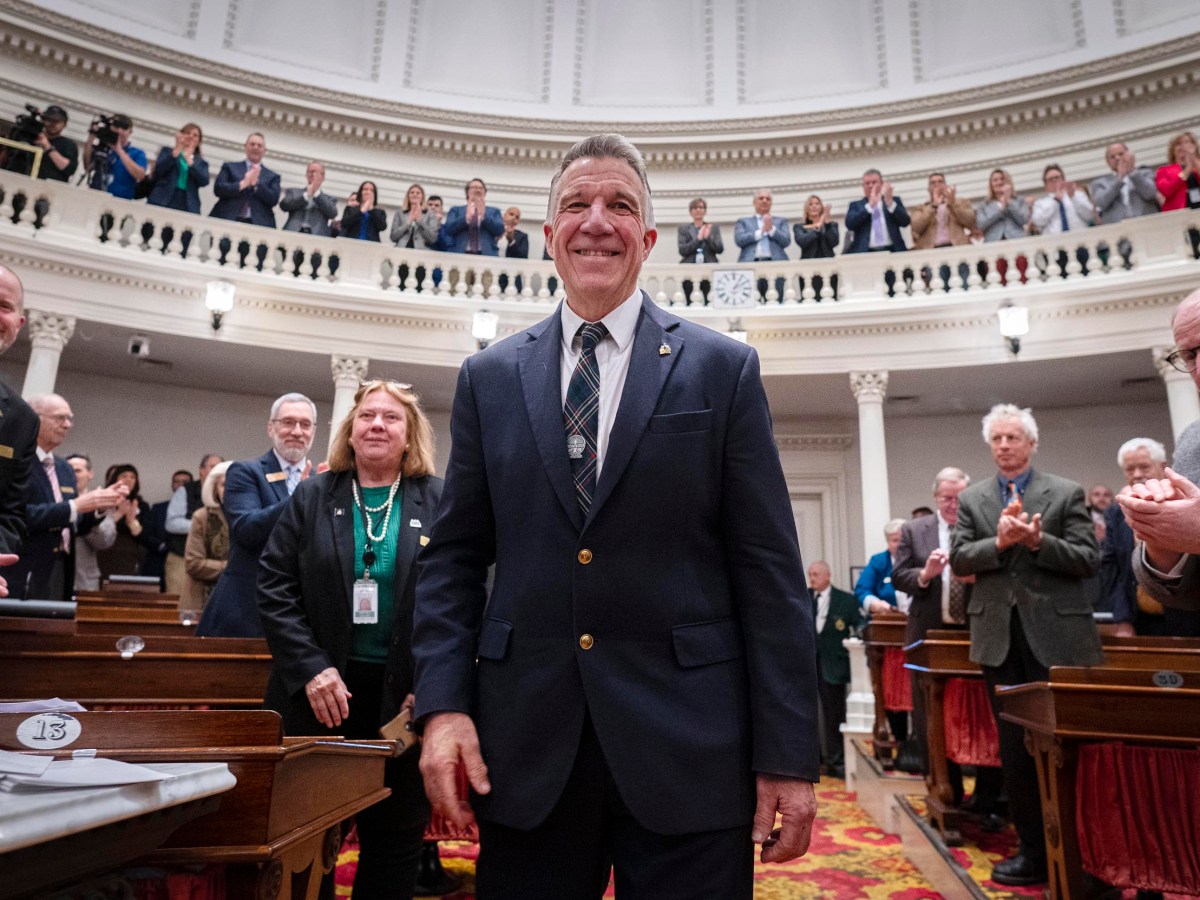
It appeared at the time that Gov. Scott had finally realized that providing all Vermont students with equitable learning opportunities is more complex work than many would like to believe. We looked forward to a thoughtful dialogue about what it would take to transform our education system. Sadly, it didn’t take long for our elected leaders and the Vermont Agency of Education (AOE) to resort to gamesmanship to ostensibly further a political agenda.
Last week, the AOE released the most recent batch of test scores, which are usually released in the fall so that schools can actually use the results in their budget and program planning cycles.
Why the late release? Could it be an attempt to influence voter confidence in their local schools before Town Meeting Day and encourage Vermonters to vote “no” on budgets, as Gov. Scott has indicated that he will do? Or was the agency just not able to provide the field with the information they needed to make decisions promptly?
While school districts acknowledge the need for significant improvement in test scores and continue to work tirelessly to make that happen, our state leaders conspicuously avoid taking responsibility for creating and perpetuating a system that is inefficient, unwieldy and wildly out of touch with the realities of operating schools in Vermont.
The educational community has work to do to ensure that all of our students have the requisite skills and knowledge to be successful — the data is clear that we need to do better. However, this work has been done in isolation for years, not only without meaningful leadership from the state, but often with state leadership distancing themselves from the real work of providing equitable opportunities for all students.
And while there are numerous examples of this, let’s focus on the state testing program itself to illustrate the point.
From 2005 until 2013, Vermont used the New England Comprehensive Assessment Program (NECAP) to measure student achievement. By 2015, the Smarter Balanced Assessment Consortium (SBAC) had been adopted and was in place until 2023. In the spring of that year, the state switched programs again to Cognia, which is now in its fourth year. That is three completely different assessments in just over 10 years. By contrast, Massachusetts has been using its comprehensive system (MCAS) for over 30 years, which provides it with the consistency necessary to accurately monitor student learning over time. This is not a luxury that Vermont educators have been afforded.
Each of these changes to the assessment system requires retraining school staff, which takes away from teaching and learning time, and interrupts the school calendar for multiple days each year so that the state can get a snapshot of student performance. For those who are in businesses that face some level of regulation, consider how much time and effort it would take you to adjust to a new assessment every three years.
For schools, we rely on accurate information gathered over time to make informed decisions about where to allocate resources and which program changes need to be made. Given the changes to the system and regular delays in seeing the results, how can schools be expected to use this information productively, especially when the first time we hear of them is in the media, decrying the state of our schools?
In 2012, Vermont replaced the Department of Education Commissioner with an Agency of Education (AOE) Secretary, who is a political appointee of the governor. Since Gov. Scott took office in 2017, three secretaries have led the AOE — Rebecca Holcombe (through 2018), Dan French (2018 to 2023) and Zoie Saunders (since 2023). Three leaders in nine years for the agency that the governor suggested in his State of the State address has the responsibility to transform Vermont? Given the importance of the work, those of us in the field would certainly hope for more consistent leadership rather than being blamed for Vermont’s economic woes.
A world-class education system requires world-class leadership, a world-class vision, and a world-class work ethic to get it done. Without these pillars, the world-class dream will remain a dream, while our students and schools continue to do excellent work despite — instead of alongside — our state agency and elected officials.
At the end of the day, we are privileged to work with amazing staff and students in communities that support public education. All we ask of our state leaders at this point is, please, don’t make our already difficult jobs more difficult by using sound bites and partial information to further a political agenda.
