

This commentary is by John Bossange, the president of the board of directors of Better (not Bigger) Vermont.

For taxpayers in Vermont, the success of designating Tax Increment Financing (TIF) districts to promote commercial and residential development must be understood as a program with inherent risks.
In many cities and towns across America, TIF has been a tool used by municipalities to finance public infrastructure, including streets, sidewalks, public water, public sewage treatment and stormwater management systems in a specific area designated as a TIF district.
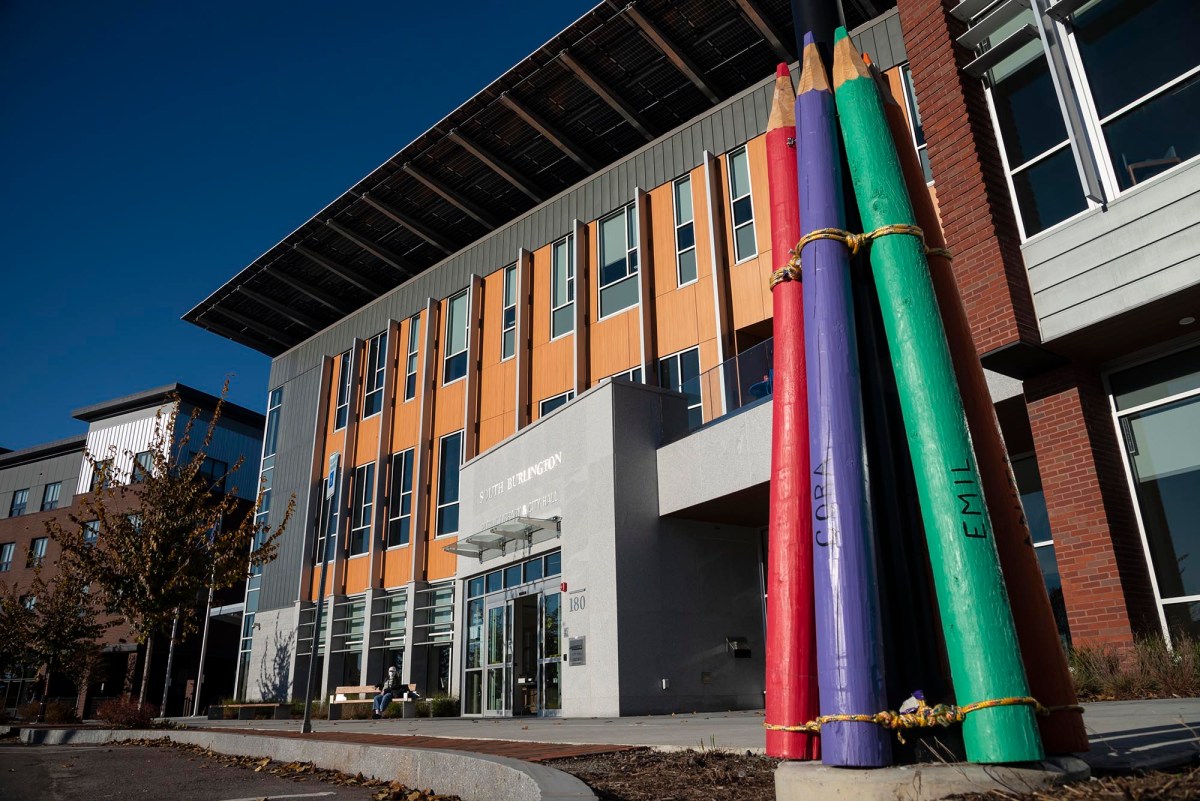
To fund it, voters authorize a municipal bond to finance the construction of infrastructure to support the building of homes and commercial property by private developers.
The plan is that this public investment will attract new private investment, business and visitors, incrementally increasing the value of the grand list, and generate more revenue for the city to finance and then repay the infrastructure bonded debt.
Towns can keep 70% of this property tax revenue to pay off the bond, while 30% must be sent to the Vermont Education Fund. On paper, this reads like good news.
But there is more to TIF funding than meets the eye.
After the developers have made their money, financial shortfalls such as declining revenue projections and property values, higher assessments, administrative errors, underperforming projects and the negative impact on the Education Fund can place a city’s finances in arrears.
Over time, if a city, town or village is not vigilant, it may not be able to grow its way out of the bond debt when the anticipated revenue stream does not materialize. The only solution then to repay any lingering debt is to increase taxes or to rely on unpredictable impact fees.
Concerns have arisen in other cities, such as St. Albans and Killington, where the TIF program’s overall economic impact is now in question. Audits frequently show delays in cost recovery and overestimated economic benefits, leaving taxpayers footing the bill for developments that did not deliver their promised benefits.
A recent study in Kansas showed several districts falling behind in their debt repayment, forcing the city to cover shortfalls with non-TIF funds and placing additional strain on the city’s budget.
Managing TIF funding is a complicated process. Poor bookkeeping, accounting errors, misallocation of funds, miscalculating land values, and underpaying the state’s Education Fund—as happened in Burlington—have been common and costly mistakes made by too many municipalities, especially in smaller towns and villages that lack the required expertise and staff.
The biggest concern is the negative impact of TIF financing on the Vermont Education Fund. The use of TIF means our property tax revenue, normally sent to the fund, will be diverted to repaying the TIF bond during the repayment period. The Joint Fiscal Office reports estimate this loss to be between $3 million and $7 million annually.
This is a major concern for those who manage the financial health of this important fund and should be a cause for alarm in all Vermont towns and cities.
Finally, in addition to the financial risk that arises when a municipality relies increasingly on growth and development, I believe towns could become caught in a vicious cycle, spinning faster and faster, growing into one large overdeveloped TIF district as they attempt to generate enough growth, ultimately leading to unsustainable sprawl.
Maybe some welcome that vision for Vermont. I do not, and I would like residents across our state to understand all the inherent risks of using Tax Increment Financing.
I believe the potential environmental impacts of sprawling TIF districts and the economic impacts on a town’s need for municipal services could disrupt the quality of life for everyone. That would be a disincentive to build, which is the last thing Vermont needs, given our acute housing shortage.
I also believe there could be a taxpayer revolt if towns using TIF to promote growth for commerce and housing do not keep their eye on the ball.
Yes, we need more affordable housing of all types built in appropriate locations. But no town wants to be on that hamster wheel of debt repayment, trying to fund unsustainable economic growth and development, all the while creating a nightmare of congestion, the need for more resources, a loss of village, town or city character, and eventual environmental degradation.
