

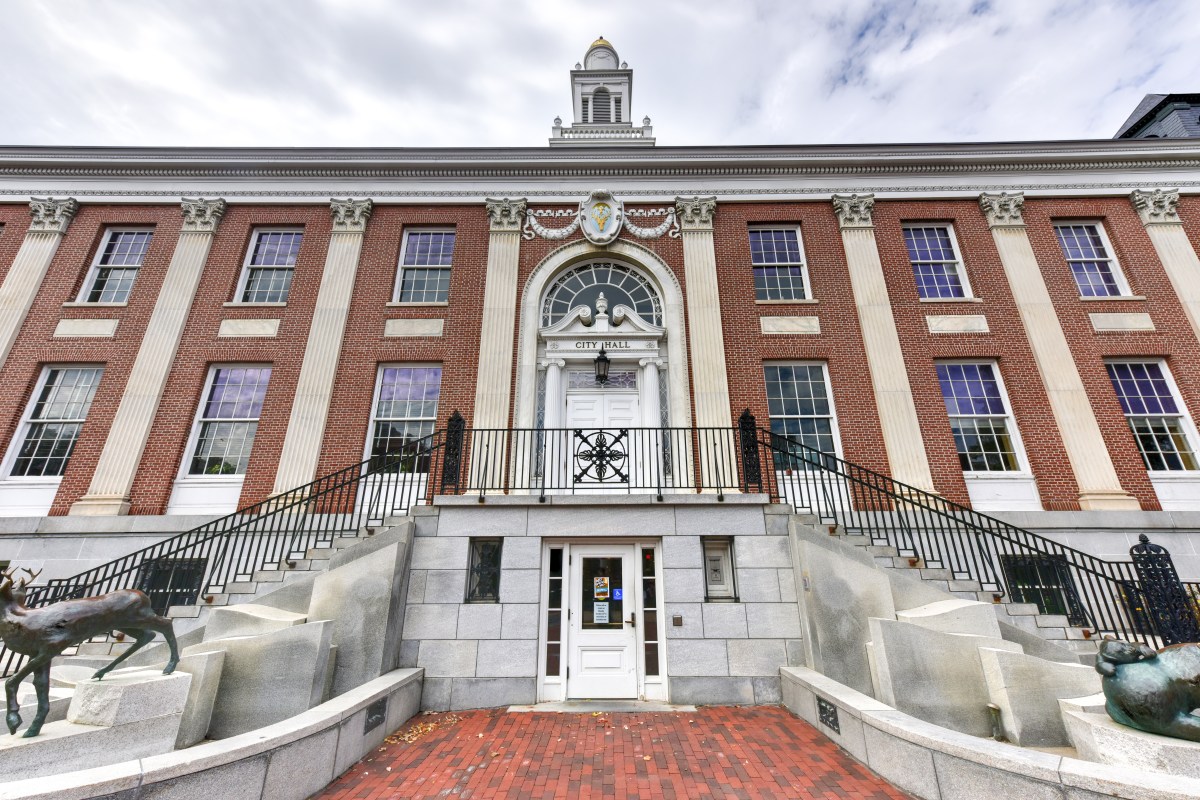
BURLINGTON — The Queen City is set to send more than $95,000 in tax increment financing to the state in order to reconcile mistakes that snowballed starting over a decade ago. The move, which was unanimously approved by city councilors Monday night, will pay off the city’s debt to the state education fund.
The issue began back when the city was considering a number of infrastructure development projects downtown.
Tax increment financing, or TIF, lets municipalities go into debt for financing public improvements and use the increase in property tax revenue to pay off their debt down the line. By law, some of that money also gets sent to the state’s education fund.
But when Burlington created its downtown TIF district, it miscalculated the parcels of land that would be included. That error had compounding effects for years, which caused a number of financing issues in the downtown district from 2012 to 2023.
A state audit from 2024 discovered those errors and determined that overall, Burlington owed $95,363 to the state’s education fund. That money will come from the city’s downtown TIF fund, not the city’s general fund.
“What goes in our pot and what goes in the state pot isn’t easy to figure out,” councilor Sarah Carpenter said during Monday’s meeting.
When introducing the resolution to councilors, Ashley Parker, Burlington’s capital programs director, expressed frustration that Burlington has to pick up the tab for its mistakes when other state bodies signed off on the erroneous reports.
City employees made the mistake back in 2011 when they decided what parcels of land would be included in the TIF district. They accidentally left out two parcels of land that should’ve been mapped within the district, city assessor Joe Turner said at the meeting.
One of those parcels included a 15-unit condominium, Turner said. Leaving it out “hurt the worst,” he said. And the mistakes left the city with an incorrect estimate of property tax value within the district.
“It’s really important that the starting values are correct,” Deputy State Auditor Tim Ashe said in an interview Tuesday. Later on, those values determine how much tax revenue goes to the city and how much goes to the state education fund, he said.
While city employees made the initial mistake, the state tax department and the Vermont Economic Progress Council also signed off on the documents that contained errors. The city tried to use that “as reason for us to not make this payment,” Parker said.
“Really, the responsibility was on a lot of different bodies who had their hands on this document,” she said.
But ultimately, the city has to pick up the tab.
Parker reminded council members that state auditors are set to review the city’s second TIF district, the waterfront district, soon. And it’s important to be “in good standing,” she said, with state officials who watch over their finances.
When the audit was first released last year, Miro Weinberger, the city’s mayor at the time, claimed that some of the audit’s findings were “bogus.”
Ashe said that auditors just look at the numbers and follow the facts.
Even though the council unanimously approved moving the money from the TIF district into the state education fund, Ashe said auditors always follow up within the year after an audit to make sure mistakes are corrected.
