

MONTPELIER — Michael Drescher prosecuted cases on behalf of the federal government in Vermont during the first year of President Donald Trump’s administration — which dealt him historic immigration cases like those of Rümeysa Öztürk and Mohsen Mahdawi.
Now, Drescher is a nominee to serve on the Vermont Supreme Court, leading senators this week to interrogate his past.
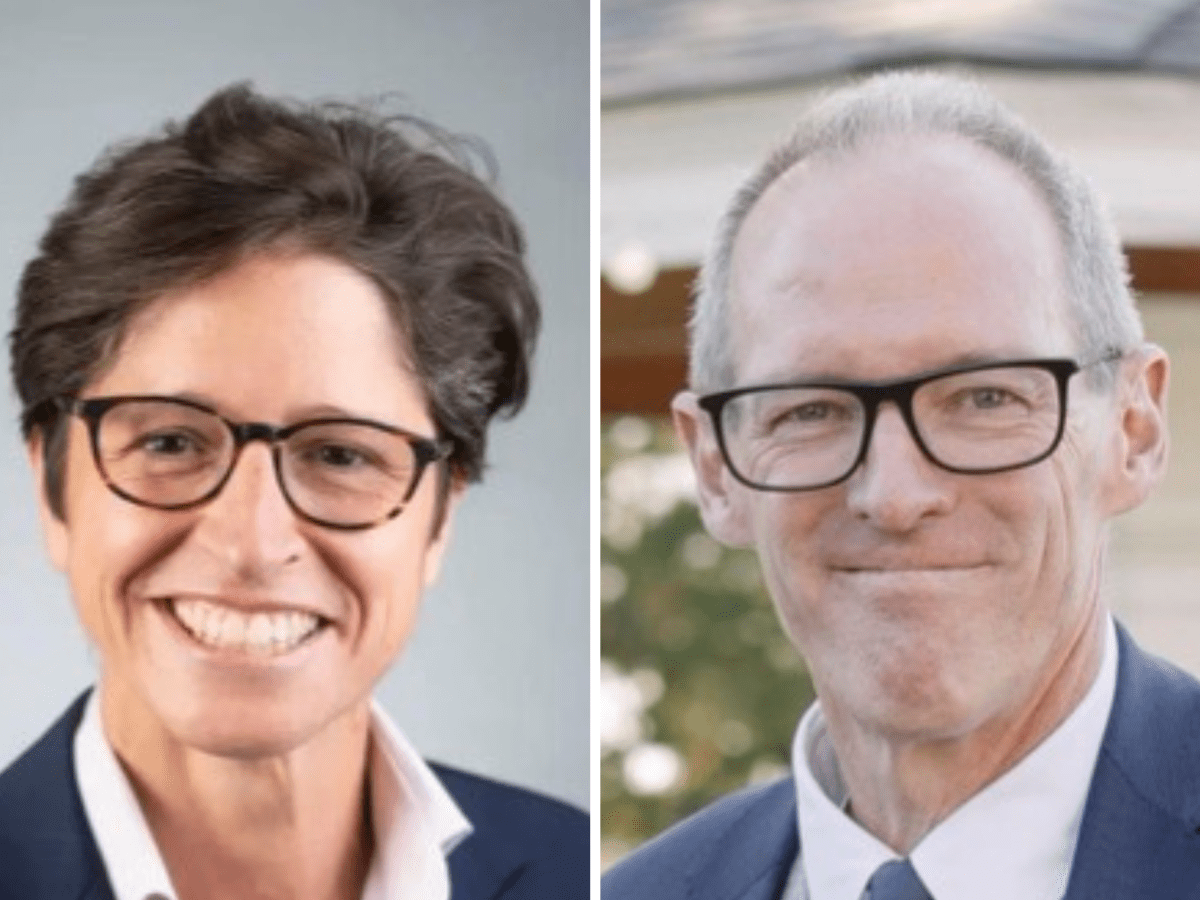
Gov. Phil Scott appointed Drescher to serve on the state’s top court last week, along with former top Vermont federal prosecutor Christina Nolan. Both candidates led Vermont’s U.S. Attorney’s Office under Trump, with Nolan serving in the role during his first presidential term. To serve as a state Supreme Court justice, both nominees need state Senate confirmation.
Drescher prosecuted the cases against Öztürk and Mahdawi, representing the federal government. Öztürk was a Turkish graduate student at Tufts University who was arrested in Massachusetts by plainclothes officers in March after co-writing a student newspaper op-ed critical of Israel’s war in Gaza. She was then whisked to Vermont, where she was held in an immigration office in St. Albans.
Mahdawi was a Palestinian student activist at Columbia University who vocally opposed Israel’s war in Gaza. He was arrested in Colchester in April during a routine immigration meeting.
Drescher resigned from his role as Vermont’s top federal prosecutor — under the title “First Assistant Attorney” — last week.
“I did that because, in order to be able to speak freely at this hearing, I think I needed to be unencumbered by being employed by the Department of Justice,” Drescher said Tuesday.
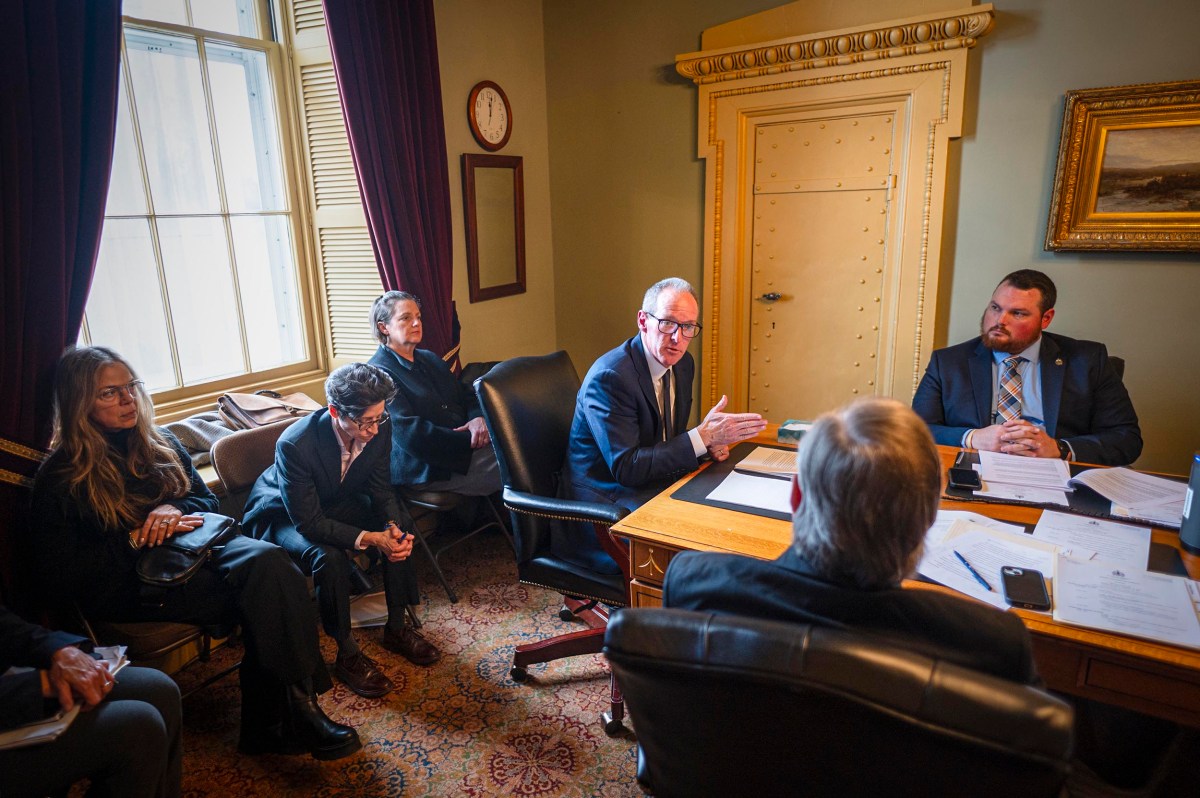
Lawmakers in the Senate Judiciary Committee heard from Drescher again on Wednesday, grilling him about his moral compass and views on free speech. Four senators in the committee said they’ve received hundreds of emails about his appointment.
“I still hold concerns about decisions that you made in your role,” Sen. Nader Hashim, D-Windham, the committee’s chair, said. Other senators expressed the same concern.
What was Drescher’s defense? “I was doing my job even though it was unpopular,” he said.
Drescher reminded senators Tuesday that Trump never formally appointed him to the role. He served as assistant U.S. attorney starting in 2002 and was promoted to the second highest position in the office in September 2023. He became the top federal prosecutor in the state last year, when the then-U.S. attorney for Vermont, who had been appointed by former President Joe Biden, resigned upon Trump’s inauguration.
Though Drescher held the office for about a year in an acting capacity, Trump never appointed him to a permanent U.S. attorney or sought his confirmation by the U.S. Senate. Drescher also did not seek out that appointment, he said.
Drescher said Tuesday that he found out in March his office would be prosecuting Öztürk’s case “out of the blue.” He saw the video of masked agents pulling the student into an unmarked car and described it as “irregular at least.” Drescher said he represented the federal government in the case because he didn’t want anyone else in his office to have to bear the burden.
“I could not in good conscience subject anybody in the office to be in that position. So I concluded that if anybody was going to be fired, it was going to be me,” Drescher said Tuesday, his voice cracking with emotion.
Drescher said he didn’t resign from his role because he thought his resignation would only prolong Öztürk’s and Mahdawi’s cases. And he would’ve violated his oath of office to not perform his due diligence in prosecuting the two immigration cases.
Drescher’s decision-making in those two cases influenced why Scott chose him.
“The Governor was aware of Michael’s role in both of those prosecutions and believes he showed great leadership by assigning those cases to himself, rather than asking his team to take the cases,” Amanda Wheeler, the governor’s press secretary, said in an email to VTDigger. “As Michael recognized, these assignments would either put the jobs of his career staff in jeopardy or subject them to threats and abuse from members of the public.”
But for some lawmakers, Drescher’s former position is a hard pill to swallow.
“It doesn’t sit well with me,” said Sen. Tanya Vyhovsky, P/D-Chittenden Central, in an interview.
The civil cases filed on behalf of Öztürk and Mahdawi respectively disputed the legality of their detention. In Öztürk’s case, Drescher repeatedly argued against her release from detention.
To Vyhovsky, that shows that Drescher wasn’t just filling shoes, rather he was in practice enforcing federal immigration actions.
Hashim, in an interview, shared the same concerns as Vyhovsky. The way Drescher handled Öztürk’s case gave him concerns about Drescher’s legal discretion, he said.
The national political climate only increases the need for the committee to do its due diligence when considering the appointments, Vyhovsky said. And she wants to make sure that state Supreme Court justices are committed to protecting people’s rights, she said.
Other senators expressed similar concerns in the Wednesday committee meeting.
“I’ve never seen a crisis point in America like we’re facing,” said Senate President Pro Tempore Phil Baruth, D/P-Chittenden Central. While Trump’s immigration agenda sweeps the country, Congress has “neutered itself” and left too much up to the judiciary, Baruth said.
Drescher told senators he understood those concerns. But he asserted that the legal cases wouldn’t have been able to move forward without competent legal counsel on each side.
He argued that in his former role, he was a counterbalance necessary to have a functioning legal system. And he held the executive branch to a high standard, he said.
Drescher said that while he understands why he’s being associated with Trump’s policies and attitudes, lawyers are not usually judged based on the character of those they represent.
Sen. Robert Norris, R-Franklin, asked Drescher if he would have done anything differently.
“I don’t think so. I don’t think so,” Drescher replied.
