


There are at least 140 dams in the Winooski River watershed, according to Michele Braun, executive director of the Friends of the Winooski River. Three of those dams help with flood control. Fifteen provide hydropower. A “handful” contribute to local recreation.
But the rest? They “aren’t doing anything but causing trouble,” Braun said.
“The great majority of those dams serve no purpose and are a public safety hazard, as well as bad for the river health and fish,” she said.
Braun helped lead an effort to remove two dams in Barre City and Barre Town this year, part of a decades-long effort to get rid of derelict or harmful dams along Vermont’s waterways. According to the Vermont Natural Resources Council, local and regional organizations removed nine dams this year, the most in a single year, reconnecting 125 miles of river.
More than 80 dams have been removed since the 1980s, some of which were more than a century old, said Karina Dailey, science and restoration director for the council, who also chairs the Vermont Dam Task Force.
There are plenty more to go. Vermont’s dam safety program and local watershed partners have identified 47 dams that would be good candidates for removal, along with 27 active projects at different stages of preparation for removal and 12 projects that have stalled, according to a task force report.
Dam removals have gained urgency in recent years as Vermont communities have been battered by repeat floods. An increasing body of research shows that some dams can worsen flooding. Five dams failed during flooding in 2023, sustaining heavy damage, according to state investigators.
Removing dams can also benefit the local ecosystem, improve water quality and improve recreational opportunities for swimmers and boaters, according to the task force’s website.
But dam removals can be a long and arduous process. The first challenge, Dailey said, is getting the dam owners on board. Many of the dams pegged for potential removal are privately owned, and the landowners have no obligation to participate in the process.
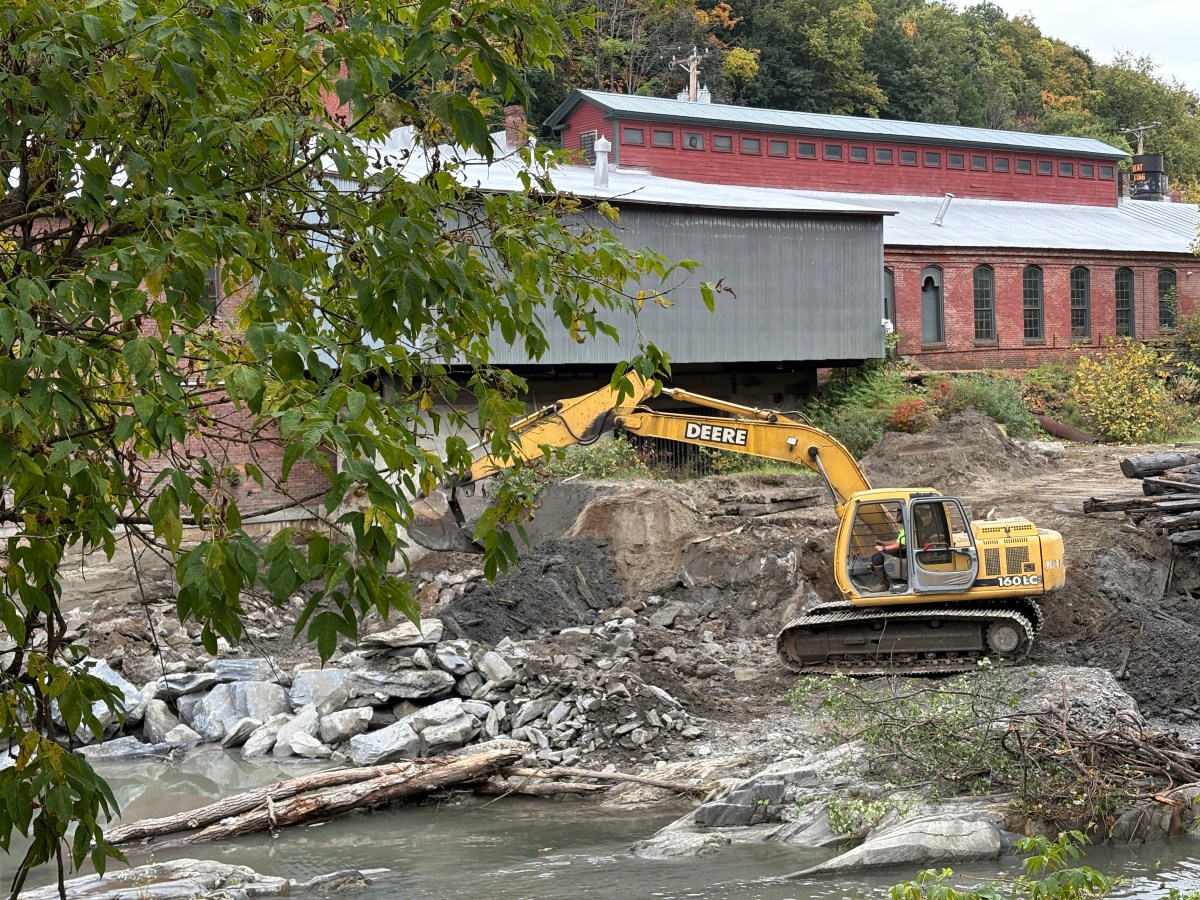
Braun said that one of the dams her organization removed this year was owned by Trow and Holden Co. Initially, the owners expressed an emotional attachment to the dam, which was built in the 1800s and powered a factory that manufactured tools for the granite industry. Braun won them over by showing how getting rid of the dam would lower the flood elevation behind their building and make the river more predictable in the future.
Dailey said the “silver lining” of the 2023 flood is that landowners are now “connecting the dots between the flood hazard in their yard of owning this dam, and not wanting to be liable for impacting downstream infrastructure or communities.”
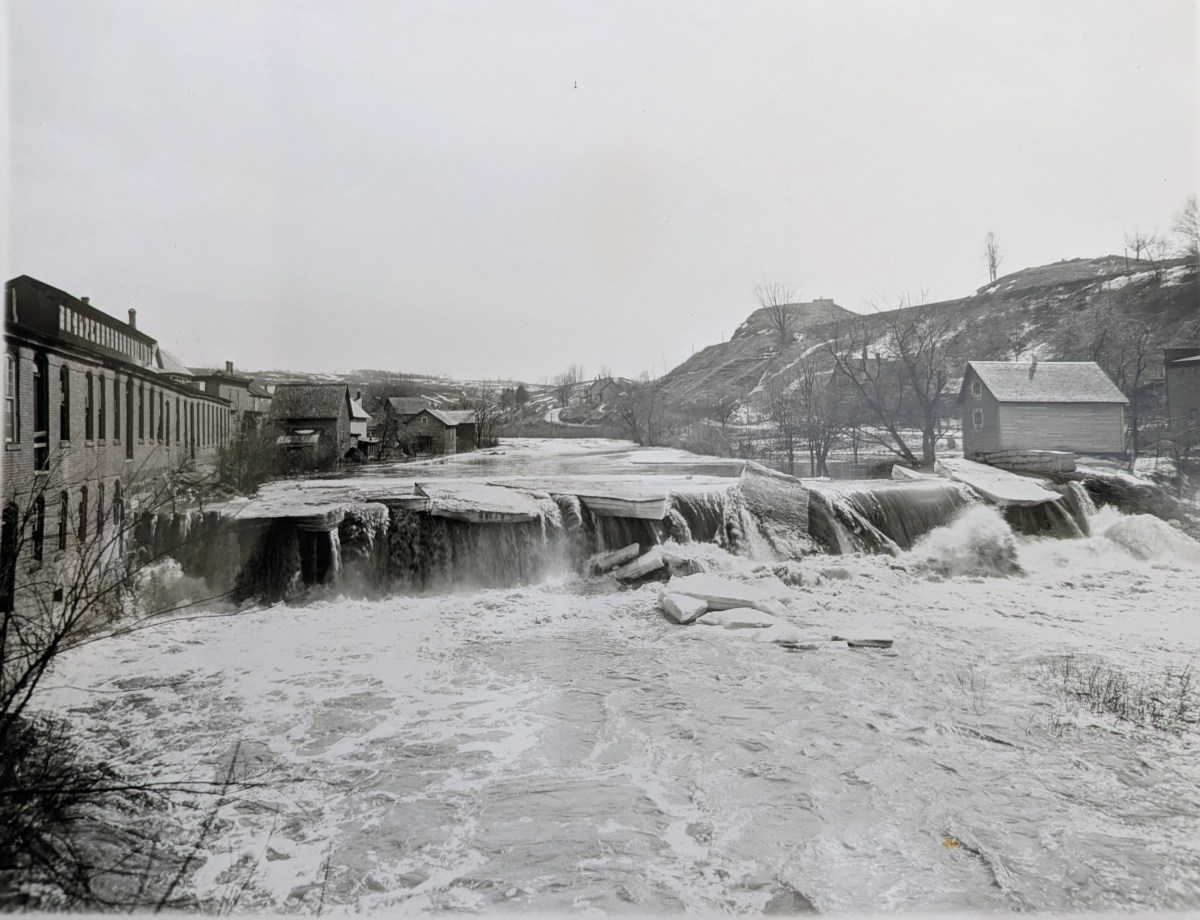
She gave the example of a dam in Williamstown that caused “quite a lot of damage.” The task force is hoping to get the dam removed sometime next summer.
Dam removals tend to be more complex than other infrastructure projects, requiring specialized construction companies and a variety of permits, Braun said. The state also sets a hard stop: All river projects have to be finished by October.
Although removal projects can benefit the local flora and fauna, they can also cause short-term upheaval to animal habitats and vegetation. Lindsey Wight, executive director of the Missisquoi River Basin Association, said that the crew removing the Sleeper Pond Dam in Newport had to carefully relocate snapping turtles.
“We got to dive into the muck and get a couple of turtles and bring them up Mud Creek a little bit farther to just sort of keep them out of the way,” she said.
Greg Russ, restoration director of the White River Partnership, said the organization had to plan their use of heavy equipment around the local bat roosting season when they removed the Farnham Bros. dam in Tunbridge. The crew also had an archeologist on site throughout the project documenting any details uncovered about the roughly 100-year-old dam for future researchers.
Dailey said she was glad to see so many projects move forward this year despite the chaotic situation at the federal level. The federal government froze funding specifically for dam removal that had already been committed in February, and for a while the task force thought those projects might not happen at all.
Although the funding has since been restored, lining up grants and loans for new projects is an ongoing challenge, Dailey said. At the Army Corps of Engineers, one of the most important Vermont staffers took a federal buyout and hasn’t been replaced, she said. Cuts to the Federal Emergency Management Agency have left it short-staffed, slowing down approval for a dam removal in Northfield.
“The money supposedly is still there and hasn’t gone away, and the project will still move forward,” Dailey said. “But there’s just not enough staff to review it to keep it moving along.”
She said she expects the Trump administration’s actions will affect funding for years down the line, impacting the possibility of future projects.
In the meantime, the waterways that had dams removed this year will slowly change as they adapt to the new shape of the landscape.
“Really the first five years is where the river is sort of just creating its natural channel, and it meanders a lot,” Dailey said.
“You watch a rain event, and the river just starts moving and meandering more and more,” she said. “And that’s really exciting, because that’s what rivers do, how rivers function.”
Braun noted one immediate benefit of the Trow & Holden dam removal. At the kickoff meeting for the removal, her team spotted a dozen trout swimming right up behind the dam.
“We were all so excited to see them, because soon they would be able to be connected to the rest of the river system,” she said.
Correction: A previous version of this story described a Williamstown dam’s removal as an emergency removal. While the project appears to have been expedited, VTDigger could not verify whether the removal was formally classified as an official emergency.
