

Theo Wells-Spackman is a Report for America corps member who reports for VTDigger.
The U.S. Department of Agriculture told state officials Thursday afternoon that, following the federal government’s reopening, they should prepare to issue full food benefits for November.
Miranda Gray, a deputy commissioner at the Vermont Department for Children and Families, said Thursday that payments via electronic benefit cards would arrive for Vermonters on Friday.
Over 63,000 Vermonters receive benefits from 3SquaresVT, the state’s version of the Supplemental Nutrition Assistance Program, or SNAP.

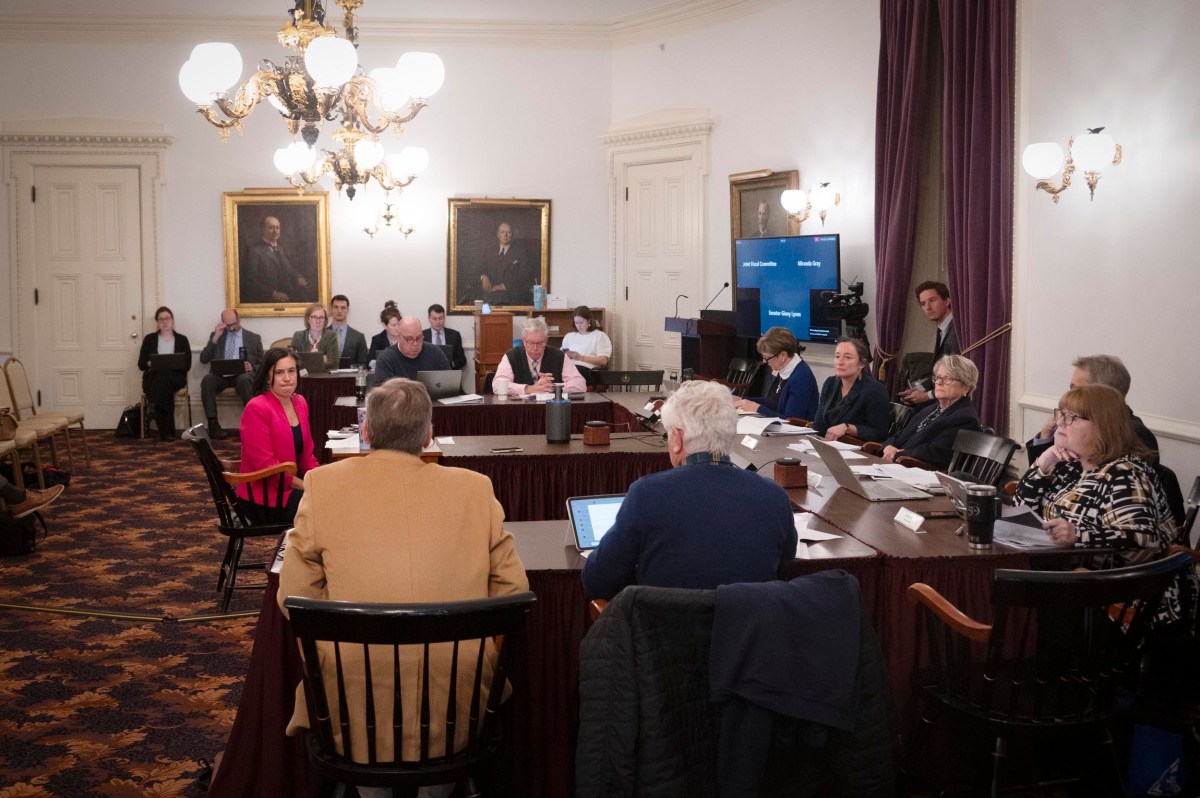
Gray said the relevant memo arrived just minutes before a Thursday meeting of the state’s Emergency Board, the body of legislative leaders and Gov. Phil Scott that approved a state-funded stopgap for paused benefits two weeks before.
“We have that in writing?” Scott inquired at the meeting, eliciting a laugh from his colleagues.

Over the course of the shutdown, a tangle of USDA memos and court rulings left state officials with constant uncertainty about the status of federal funding for food assistance. Regular SNAP payments were paused Nov. 1, leaving many in Vermont without money they rely on for groceries.
The Emergency Board enacted a $6.3 million plan covering 15 days of SNAP benefits for all eligible Vermonters in anticipation of a funding lapse during the federal shutdown. The board also dispensed $250,000 to the Vermont Foodbank to help offset increased need during the days required to prepare payments.
Those state funds were dispersed last Friday, after a weeklong absence of benefits drove a sharp increase in demand for local food assistance providers. Those who received a partial, state-funded benefit last week will still receive a full federal one Friday, officials said.
Scott expressed relief at the return of SNAP funding after Thursday’s meeting.
“We wanted to take care of the most vulnerable,” he said, “but the financial exposure was something that weighed on us, weighed on me.”
On Wednesday, Vermont also released over $11 million in state-backed payments for the Low Income Home Energy Assistance Program while federal payments were frozen. The move, which has precedent in Vermont, was approved by state officials last month.
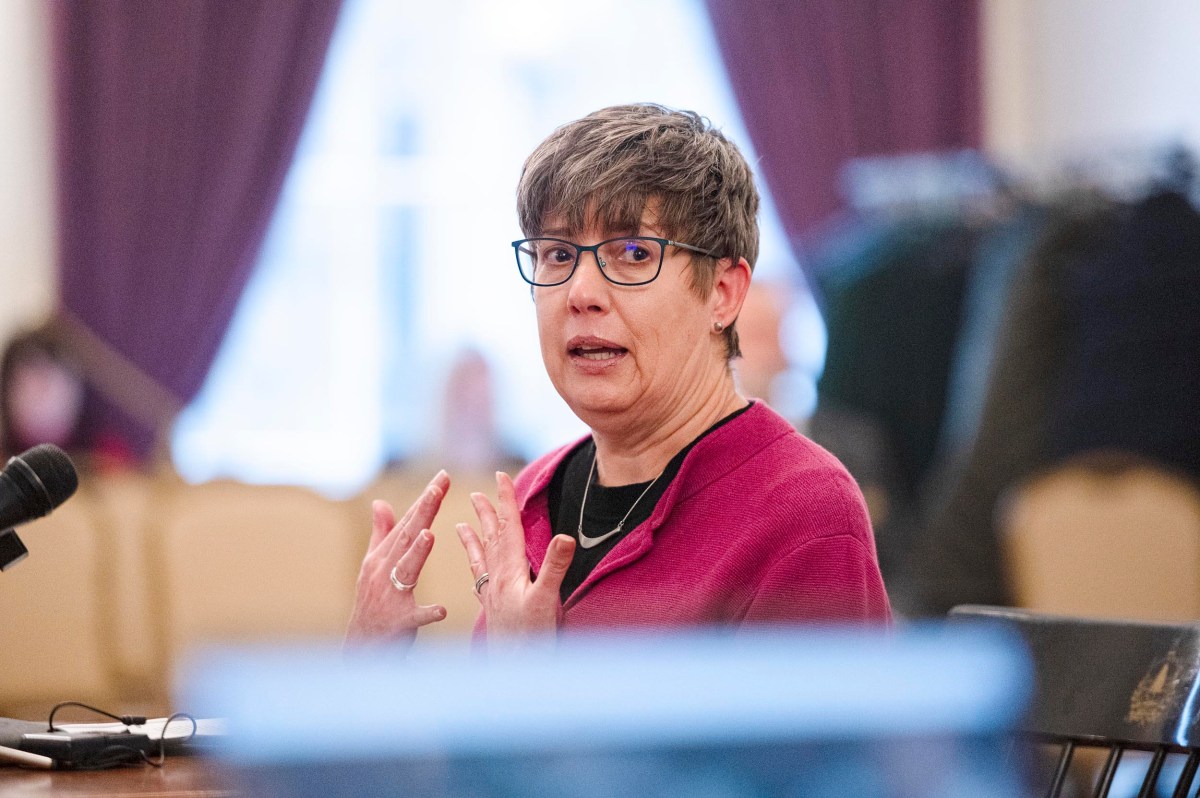
In a meeting of the legislature’s Joint Fiscal Committee on Thursday morning, Anore Horton called the state’s reallocation of funds during the shutdown “right and necessary actions.” The increased pressure on the state’s charitable food system had presented “real challenges,” she said.
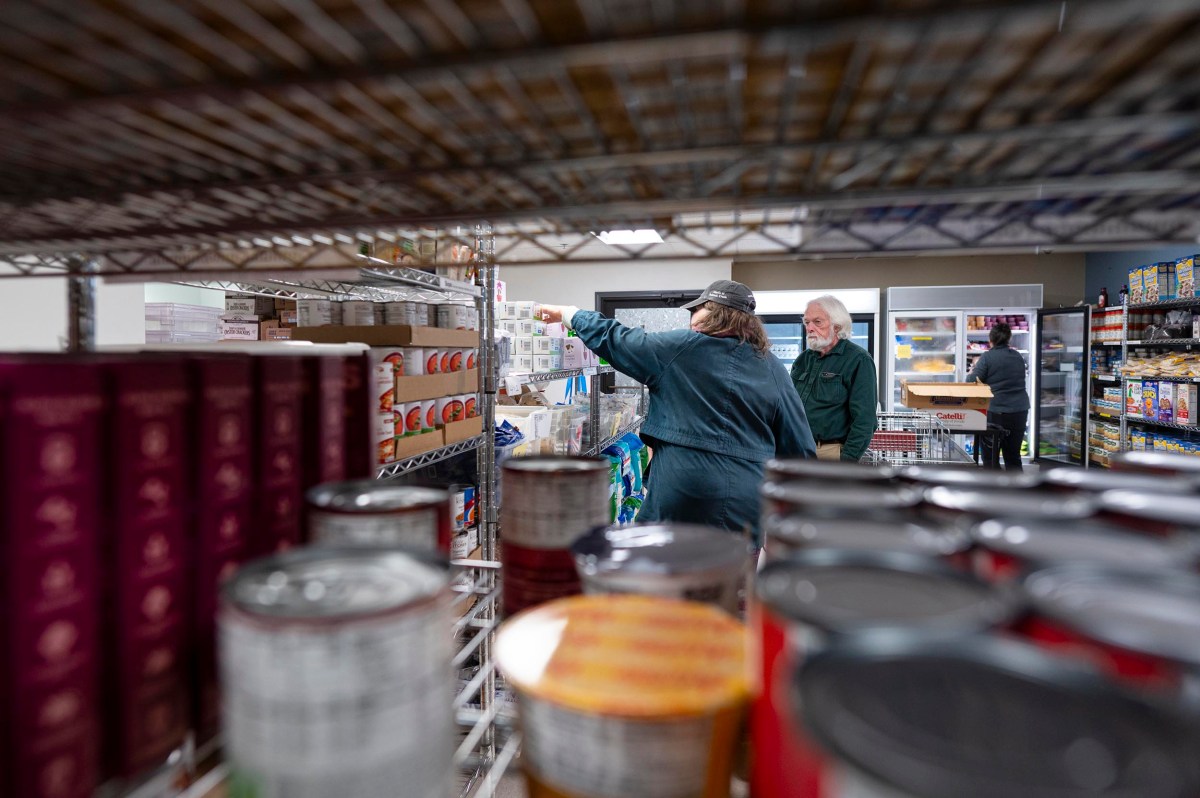
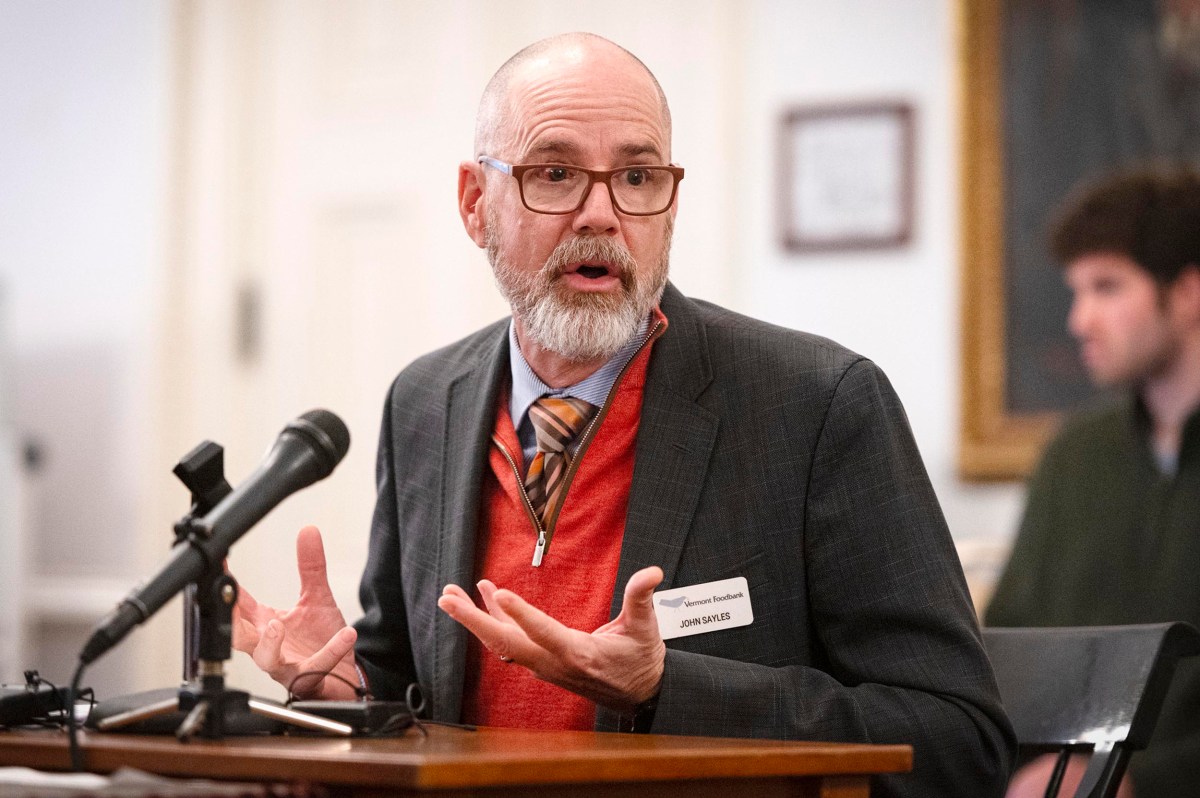
Vermont Foodbank CEO John Sayles agreed, saying his organization’s produce distribution service had experienced nearly 50% more traffic this month than it would expect on average. He said a partner food pantry in St. Johnsbury had seen four times its usual traffic, while others around the state had expanded hours to meet new demand.
While having SNAP benefits restored is crucial, Sayles said Vermont’s hunger problem doesn’t end here.
“This is an ongoing challenge,” he said.
Gray said those who receive benefits via direct deposit — a more complex administrative process — will likely have to wait until Monday. Full December benefits have also been authorized, she added.
Late last month, Vermont Attorney General Charity Clark joined a multistate lawsuit that sought to compel the USDA to dip into emergency funds to support its largest food assistance program during the shutdown.
Federal judges overseeing that case and another in Rhode Island ordered the Trump Administration to fund SNAP, triggering a series of appeals that reached the U.S. Supreme Court earlier this week. Although the court allowed the pause in benefits to continue temporarily, the legal outcome became moot as the government reopened Tuesday.
The possibility of federal reimbursement for the state’s emergency provisions during the shutdown is also still in question, but Scott said he wasn’t optimistic.
“We went into this with our eyes wide open, knowing that any money we expended, we would probably not receive back,” he said Thursday.
