



JERICHO — On Tuesday, Marina Black, 31, and Jared Troyna, 29, attended their first Town Meeting Day in Jericho.
The two moved to Vermont from the Salt Lake City area in October for a variety of reasons — progressive values, the rural landscape and Vermont’s tradition of public participation in local politics.
The Town Meeting tradition is “actually really special and really cool,” Black said while waiting in line to vote Tuesday. It’s part of why, in Vermont, “there’s, it feels like, more direct democracy.”
But Black and Troyna’s first Town Meeting Day might look different than next year’s. On Tuesday, after an hourslong — and at times emotional — debate, Jericho residents voted to change the way it conducts its Town Meeting Day votes.
For more than 200 years, Vermont residents have turned out in person to weigh in on municipal matters.
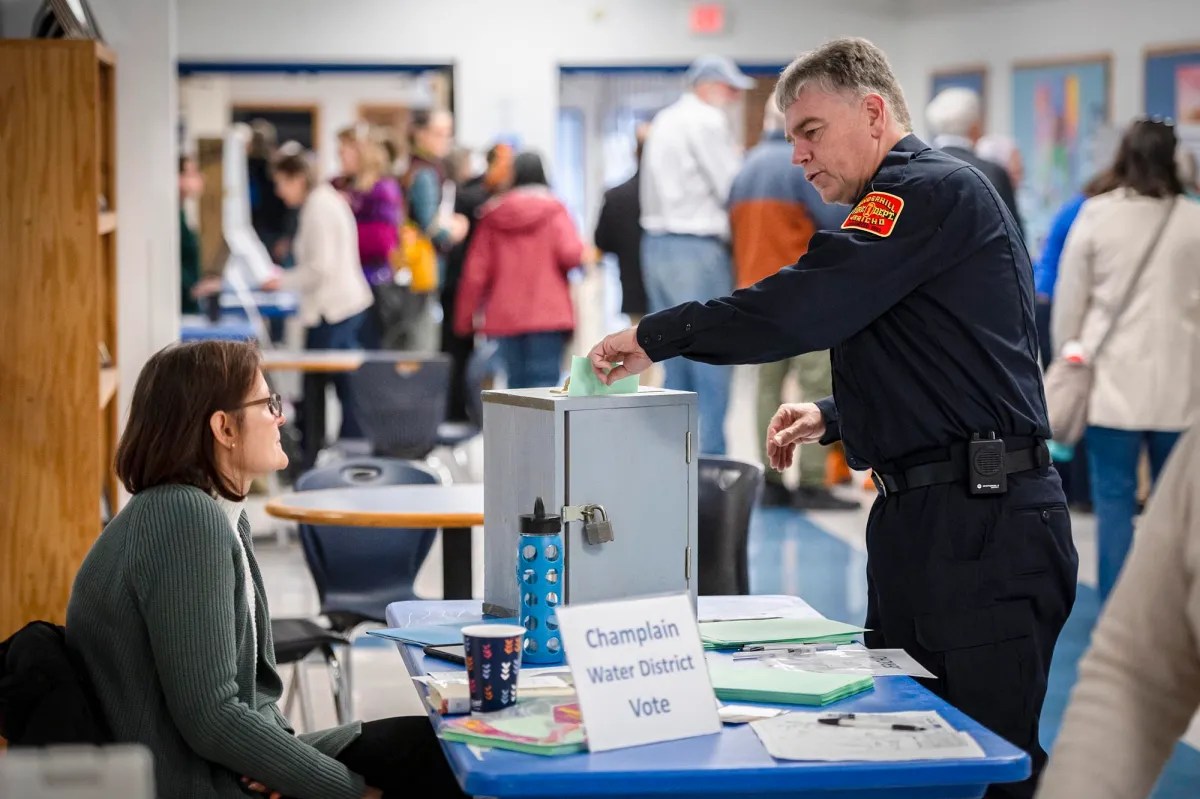
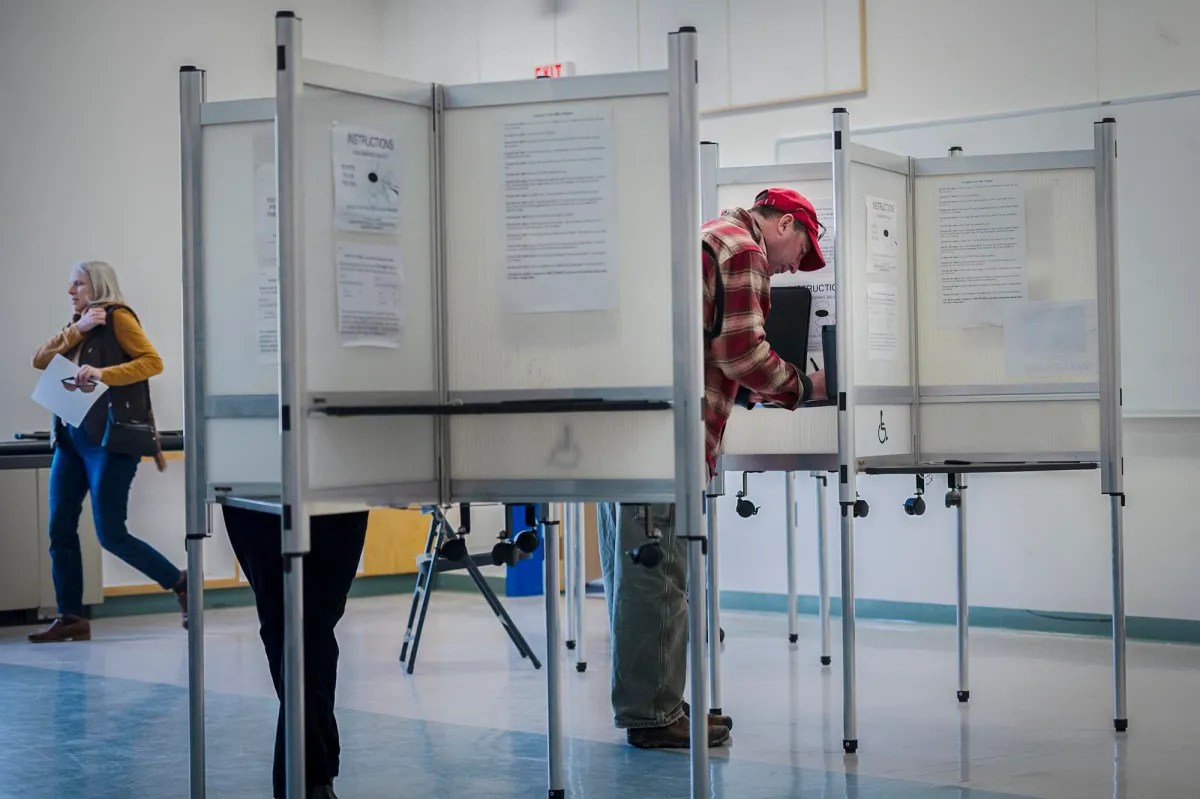
Jericho residents elect town and school officers via paper Australian ballot from 7 a.m. to 7 p.m. In that format, voters can show up anytime the polls are open, grab a ballot, fill it out and be on their way. (Bond votes also must be conducted statewide on Australian ballots, per state statute.)
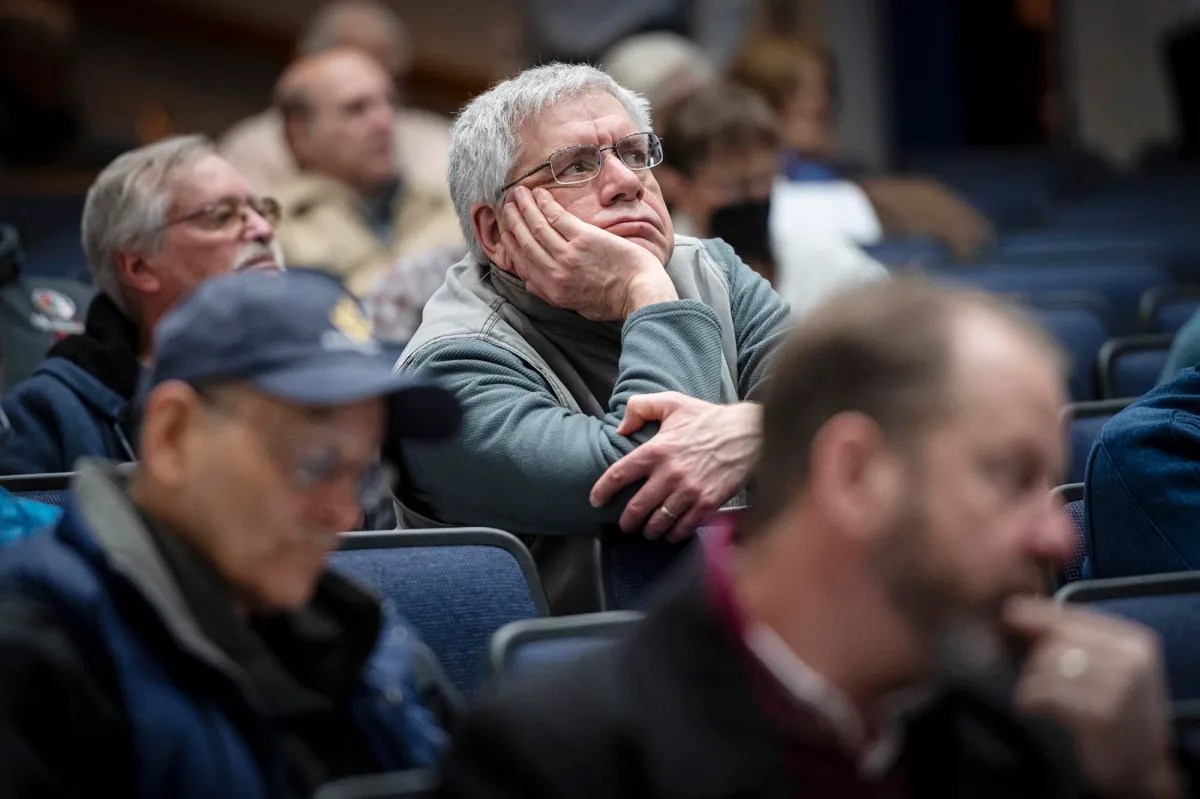
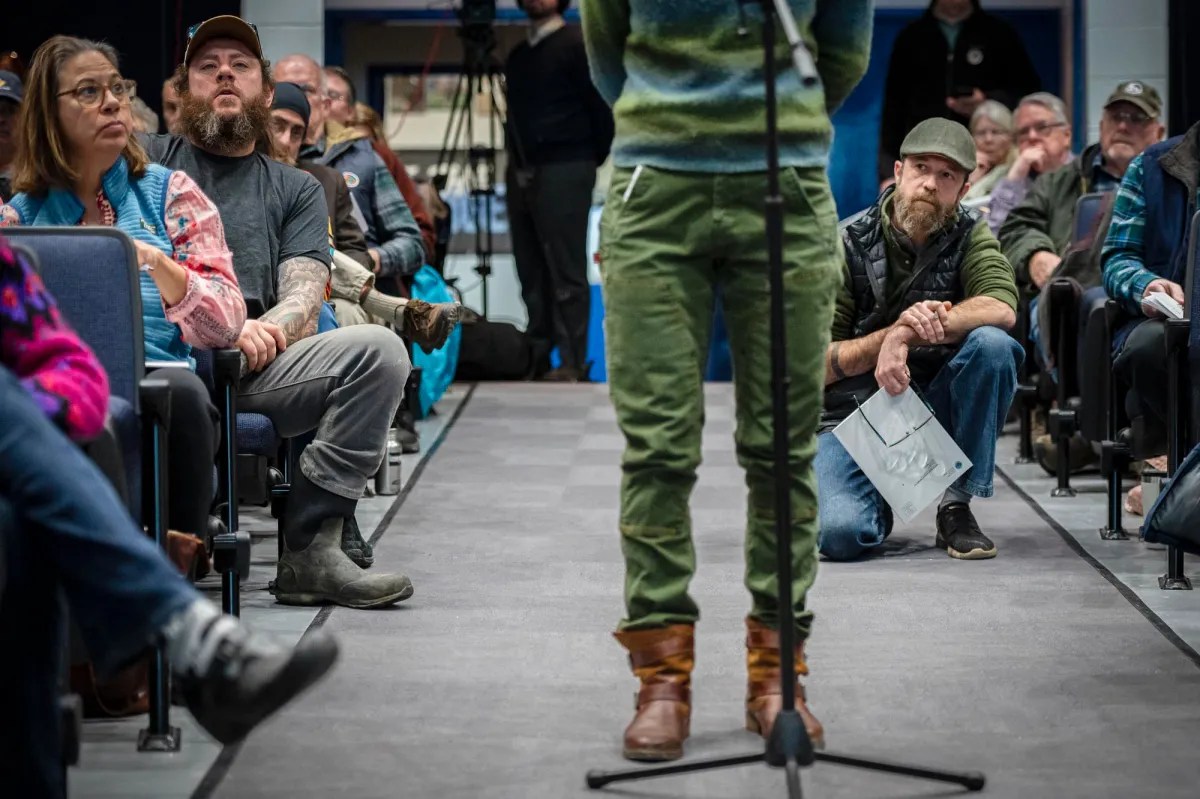
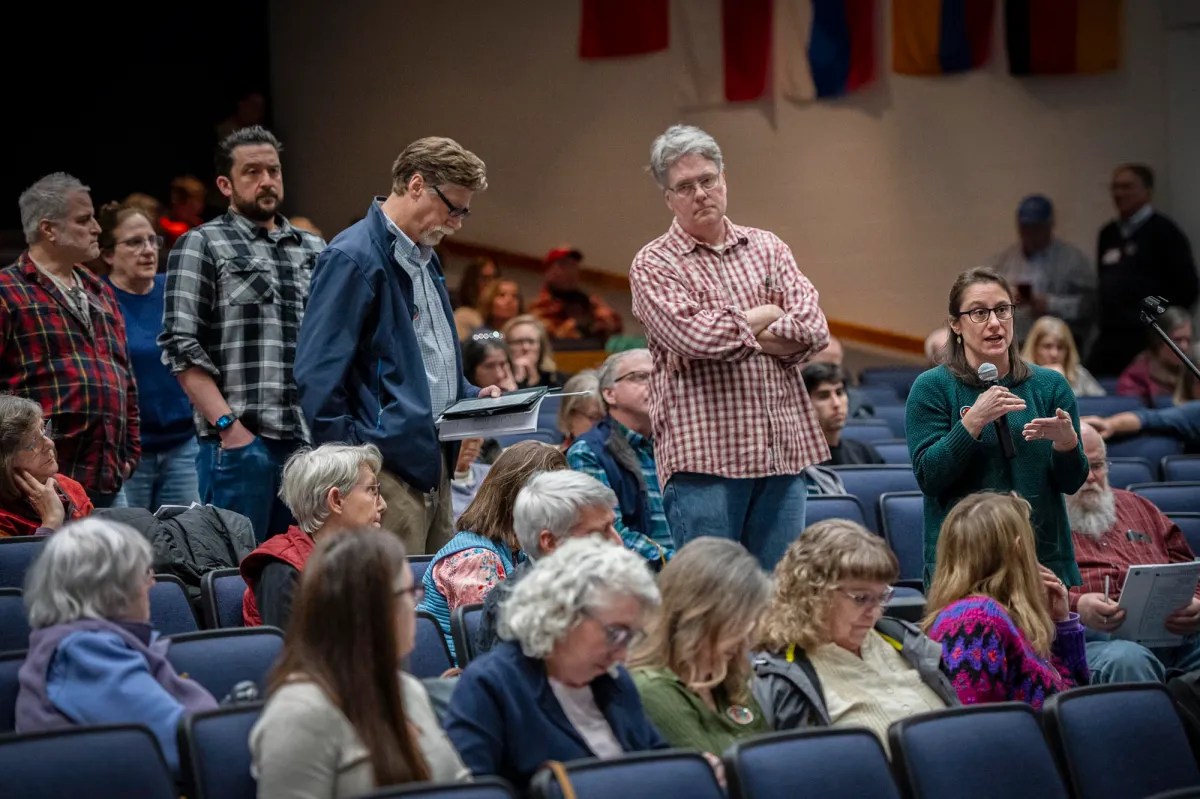
But all other local election matters in Jericho, a Chittenden County town of some 5,000 people, are decided by the longstanding Vermont Town Meeting Day tradition of floor voting, in which voters gather in person — often for hours at a time — to advocate for their positions, amend warning articles and cast their votes among their neighbors, often by voice.
Late last year, however, the Jericho Diversity, Equity and Inclusion committee recommended that the town move from floor voting to Australian ballot.
Attending an hourslong, in-person meeting on a weekday morning is impossible or difficult for many Jericho residents, the committee said. And data from the Secretary of State’s Office compiled by the committee showed that floor votes average a turnout of 6.6% of registered voters, while town Australian ballots have an average turnout of 19% in years without a presidential election and 49% in presidential election years.

To many in Jericho — and in communities across the state that have weighed both options — the question appeared to pit some dearly held Vermont values against each other.
On one hand was the matter of equity. Advocates for changing the procedures argued that, by its nature, floor voting excludes many Vermonters: those with disabilities, those who are unable to get off work, those who must care for someone in need.
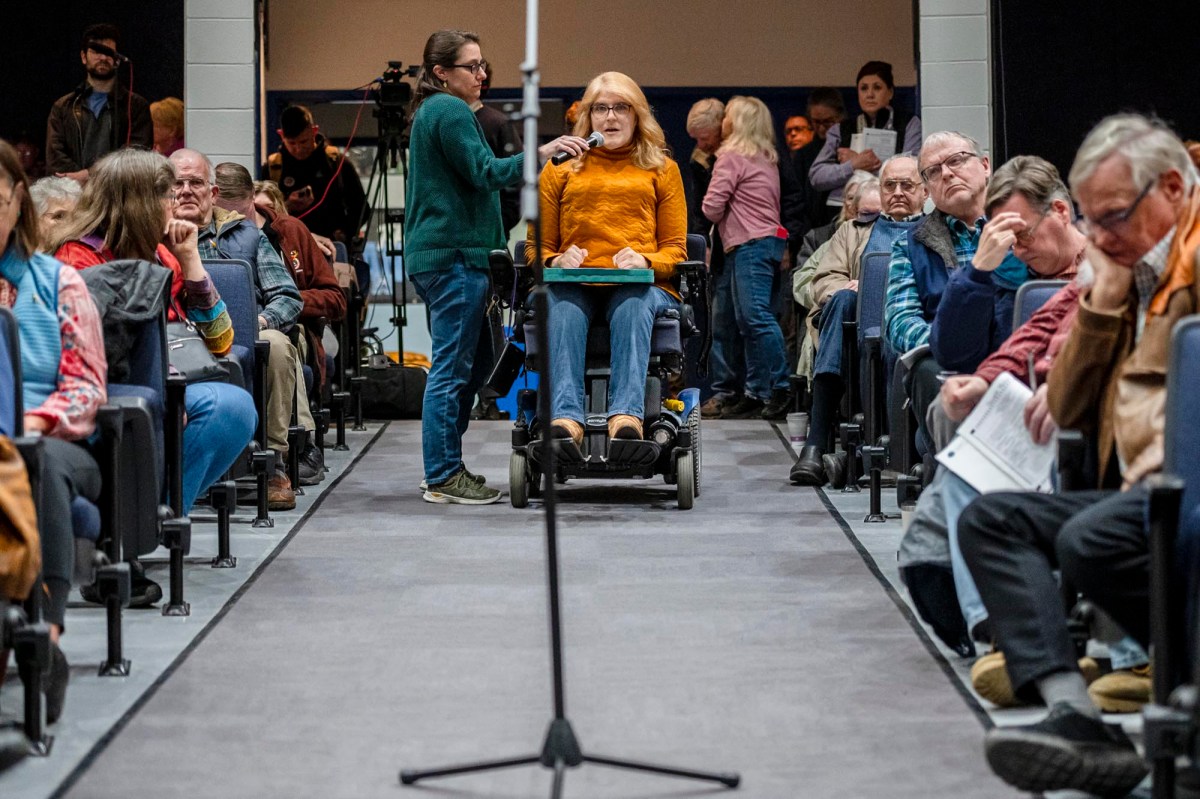
“Unfortunately, because of my disability, the early start time for this meeting and the length of this meeting puts (the) timing of my care in jeopardy, and it puts my health at risk,” Maria Rinaldi, 45, a member of the town’s Diversity, Equity and Inclusion committee, said at Tuesday’s meeting.
Rinaldi, who is paralyzed from the chest down, said she showed up for the vote because of the importance of shifting to Australian ballots.
“I would like to be able to vote on my town’s budget every year,” she said.
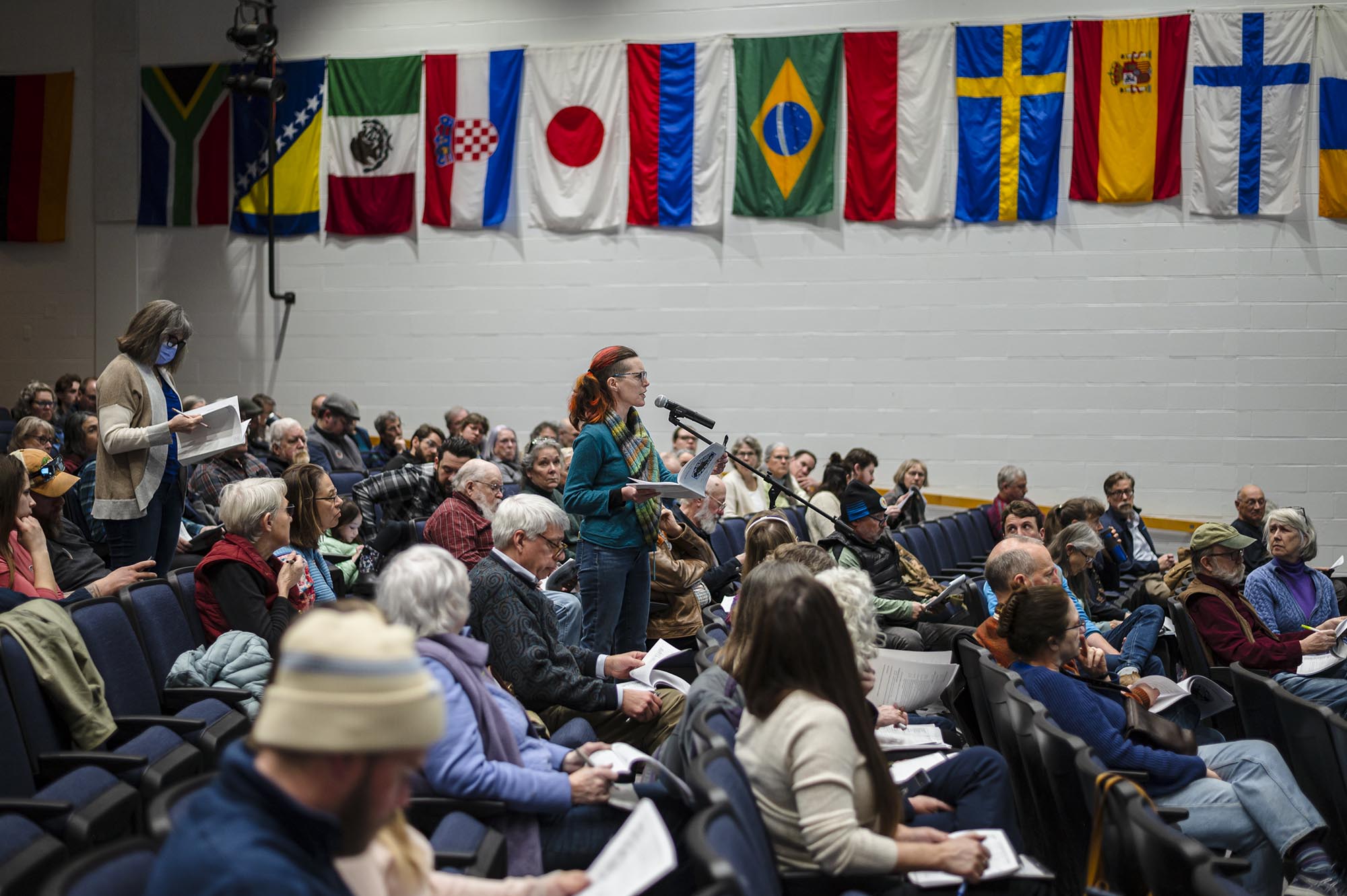
To others, however, floor voting is a prized tradition, an example of the state’s closely held commitment to direct democracy and public participation. In a time of increased social isolation and atomization, they argued, in-person Town Meeting represents an increasingly rare opportunity for Vermonters to get together and meet their neighbors.
Will Towle, a 57-year-old Jericho attorney, told the assembled residents that he has attended Town Meeting Day for decades. Towle, choking up, recalled being taken as a child to a Town Meeting in Dummerston.
“How amazing, my parents are voting on the budget,” Towle said he remembered thinking. “My parents are actually controlling the town! And I thought someday, that could be me.”
Ending in-person Town Meeting Day votes, Towle said, will ultimately serve to “disassociate us more and more with our community.”

In Jericho on Tuesday, the debate was framed around two warning questions asking residents whether they would adopt all budget articles and all “public questions” by Australian paper ballot.
Some three hours after the meeting started at 9 a.m. — a period that included a line-by-line review of the budget and a prolonged discussion about road salt — the roughly 175 residents in attendance turned to those questions.
Some argued that it was unseemly for a small slice of the town’s residents to approve or deny the town’s nearly $3.5 million budget. Others countered that Jericho residents were free to attend multiple evening selectboard budget meetings both in person and virtually — and even so, those meetings were sparsely attended.
Ultimately, voters tried to reach a compromise.
Voters approved the two articles — but with a newly added amendment that would direct the town selectboard to hold a meeting prior to Town Meeting Day in which residents could propose, discuss and reject amendments to municipal budgets and ballot articles.
Final voting on those budgets and articles, however, will take place on Town Meeting Day via Australian ballot.
Black and Troyna ultimately opted to vote for that shift as well.
“I think that any downsides to losing that immediate democracy (are) going to be outweighed by true democracy — actually getting everybody’s vote,” Troyna said.
But, Black said, “I understand why people had such an emotional response to possibly losing it. It’s part of what attracted us to Vermont in the first place.”
Outside of Jericho, floor voting remains popular in the state. Scores of Vermont municipalities use some amount of floor voting to decide certain elections, according to data from the Vermont secretary of state. This year, 44 municipalities held Town Meeting Day votes using only floor voting.
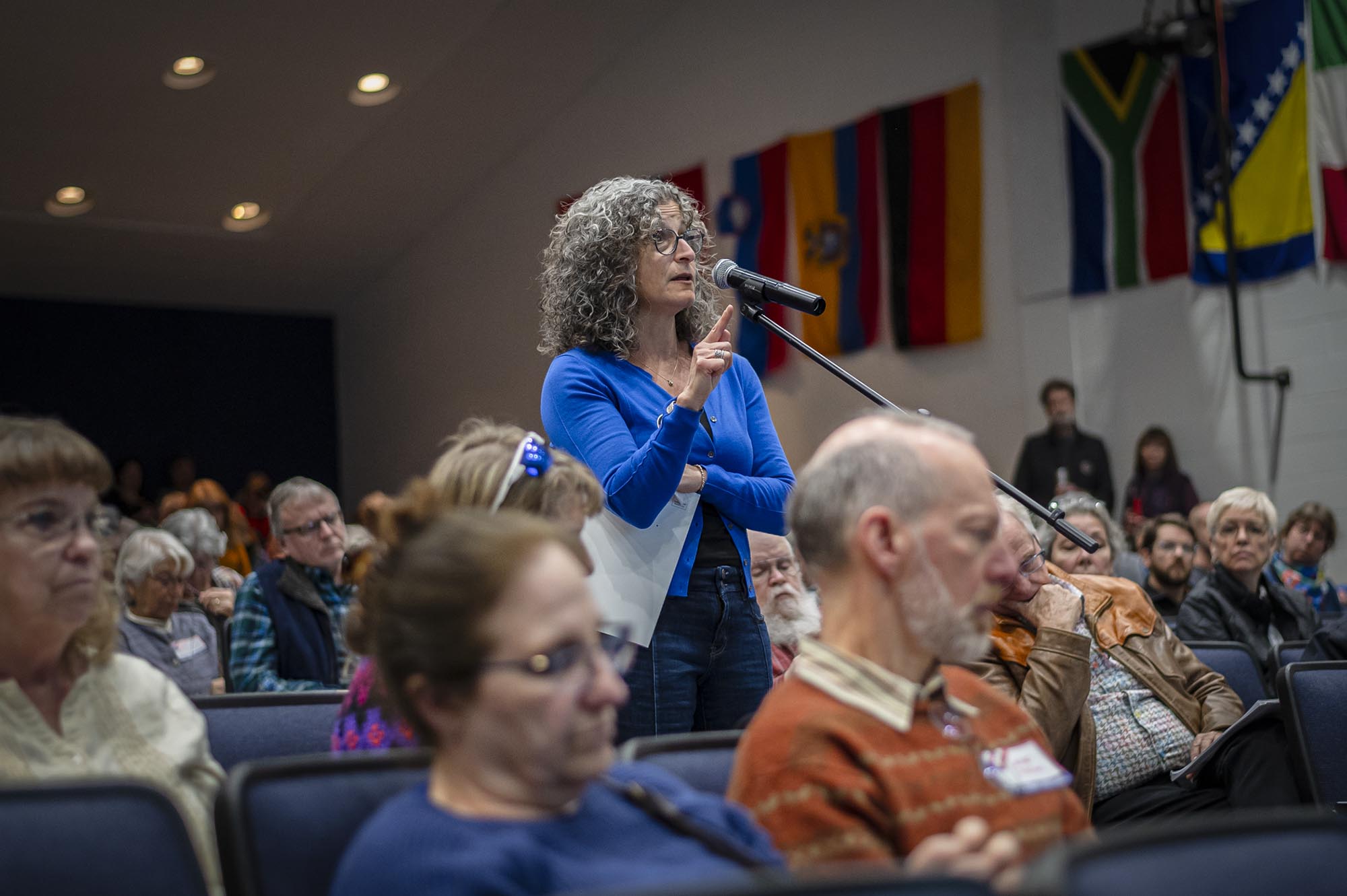
However, at least 10 municipalities, including Jericho, were set this year to consider eliminating in-person floor voting in favor of all-day ballot voting. Last year, 18 municipalities considered the switch, according to Ted Brady, the executive director of the Vermont League of Cities and Towns.
“Every year we appear to be losing a handful of communities doing in-person Town Meeting,” Brady said. “So it does appear that there’s a gradual erosion. Very gradual.”
During the height of the Covid-19 pandemic, Vermont municipalities canceled floor votes in favor of Australian ballots. That shift, Brady said, was appealing to many municipalities.






But that gradual erosion is indeed very slow. Brady said he did not have data for the outcomes of last year’s votes, but he noted that many municipalities opted to keep the floor Town Meeting tradition intact. In Randolph on Saturday, for example, voters rejected a switch to paper ballot votes on public questions.
“Town Meeting is definitely alive and well here in Vermont,” Brady said.
