


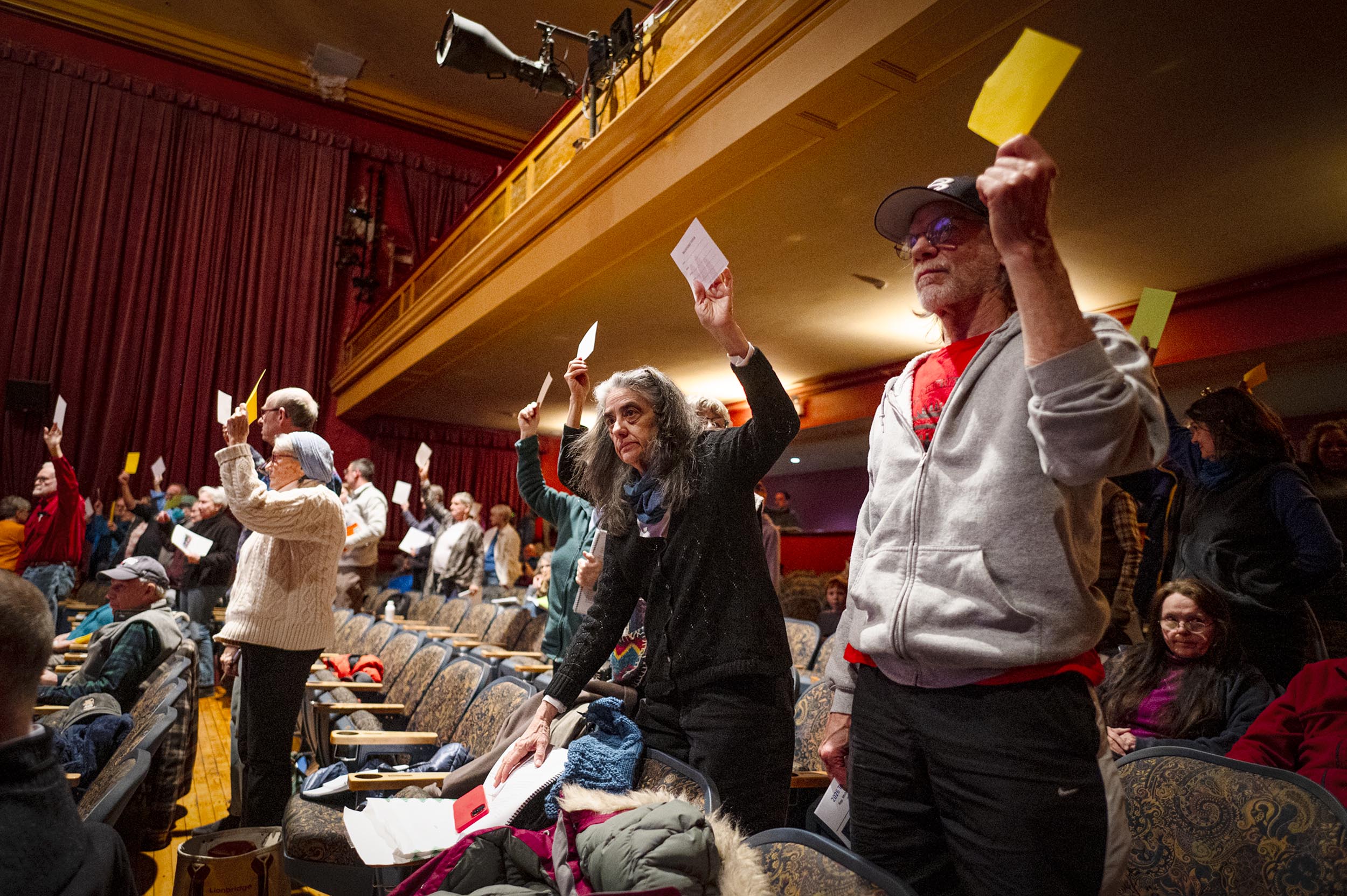

In fall 2023, the leaders of the Milton Town School District unveiled the design for its new elementary and middle school.
The existing Milton Elementary School was first built in the 1950s to serve grades 1-6 and expanded piecemeal over the following decades, eventually becoming the district’s pre-K-8 school.
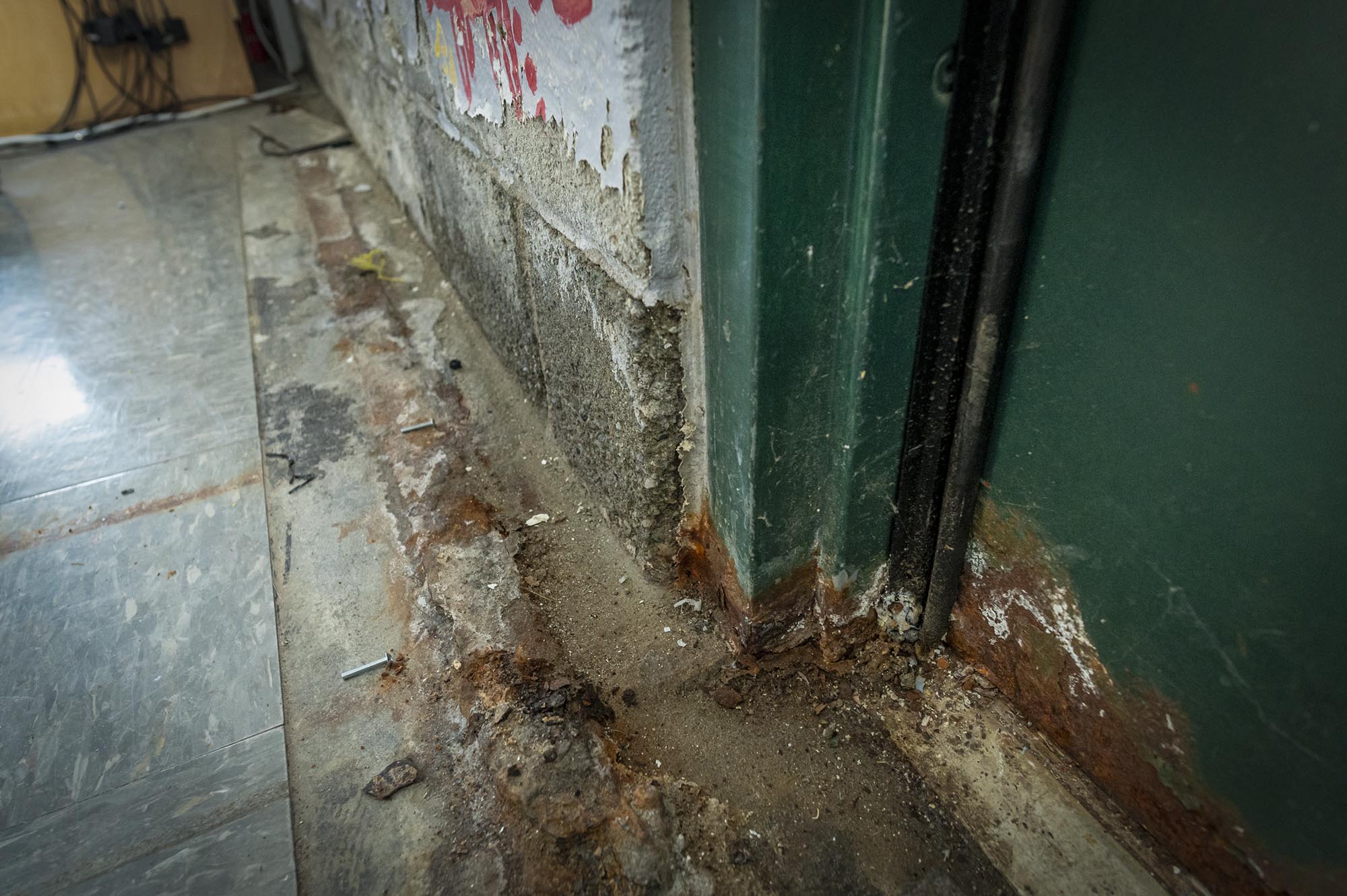
By 2020, the oldest parts of the building had long been showing their age. A perennial mold problem had plagued the school for decades, and the school boilers were on their last legs. Leaders said upgrades were sorely needed.
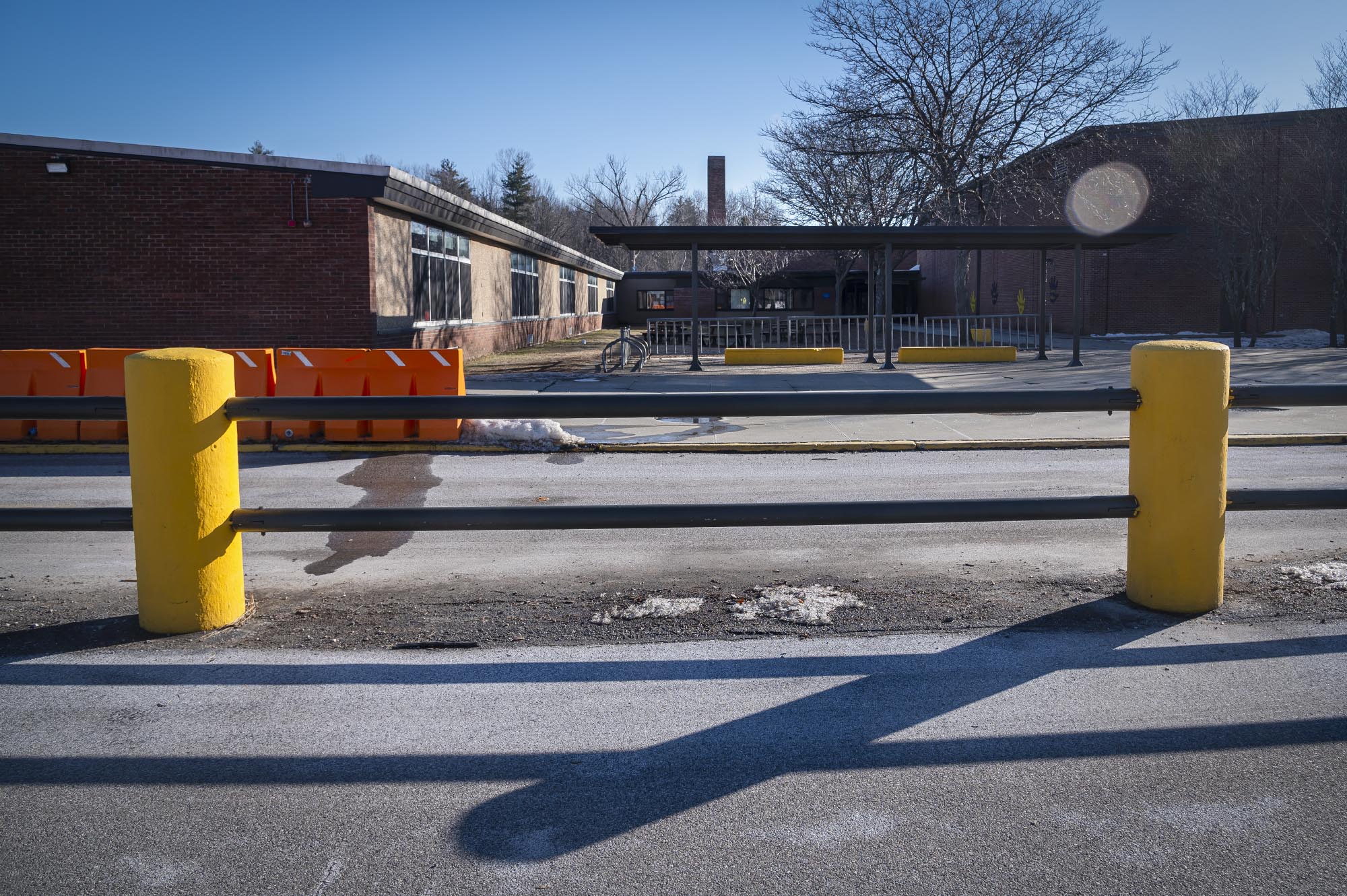
The initial cost estimate of almost $200 million gave the community pause, but it was the challenges of the current annual budget cycle that ultimately led the district to table the much-needed project this year.
The latest projections indicate that property taxes could increase statewide by an average of 20% next year. That figure, local and statewide school officials have said, is largely due to ballooning health care costs, maintenance and student mental health needs resulting in higher education spending, with less federal support available as a result of expiring Covid-era relief funding.
Some are also pointing fingers at Act 127, a new law taking effect this budget season that changes the way statewide education funding is distributed. Its purpose is, in short, to direct more funding to schools with pupils who are more expensive to teach, such as English language learners, rural students and students living in poverty.
Officials and lawmakers have expressed concerns that Act 127 might be further driving spending increases, however, as districts may have seen the law’s 5% cap on local homestead property tax increases — with the difference spread across the state — as encouragement to bring additional expenses into their budgets. As lawmakers actively consider scrapping the cap, the precise impact of the law on property taxes remains an open question as districts prepare their budgets for votes in early March.
Coupled with the sharp rise in property values statewide over the last three years — which is reflected in a town-by-town tax rate adjustment called the Common Level of Appraisal, or CLA — many district boards are bracing for the public’s reaction to eye-popping tax increases.
“To me it’s just the perfect mess,” said Amy Rex, superintendent of the Milton district.
“I mean with Act 127 and the CLA mess that exists right now and, you know, 20- to 40-cent increases on homestead tax rates, people don’t even want to hear the word ‘bond’ — especially in this community,” she said. “And I get that. I get it.”
The budget landscape is poised to become even messier in coming weeks as school boards consider whether to reopen their budgets in response to a mid-stream revision to how the transition to Act 127 is being implemented.
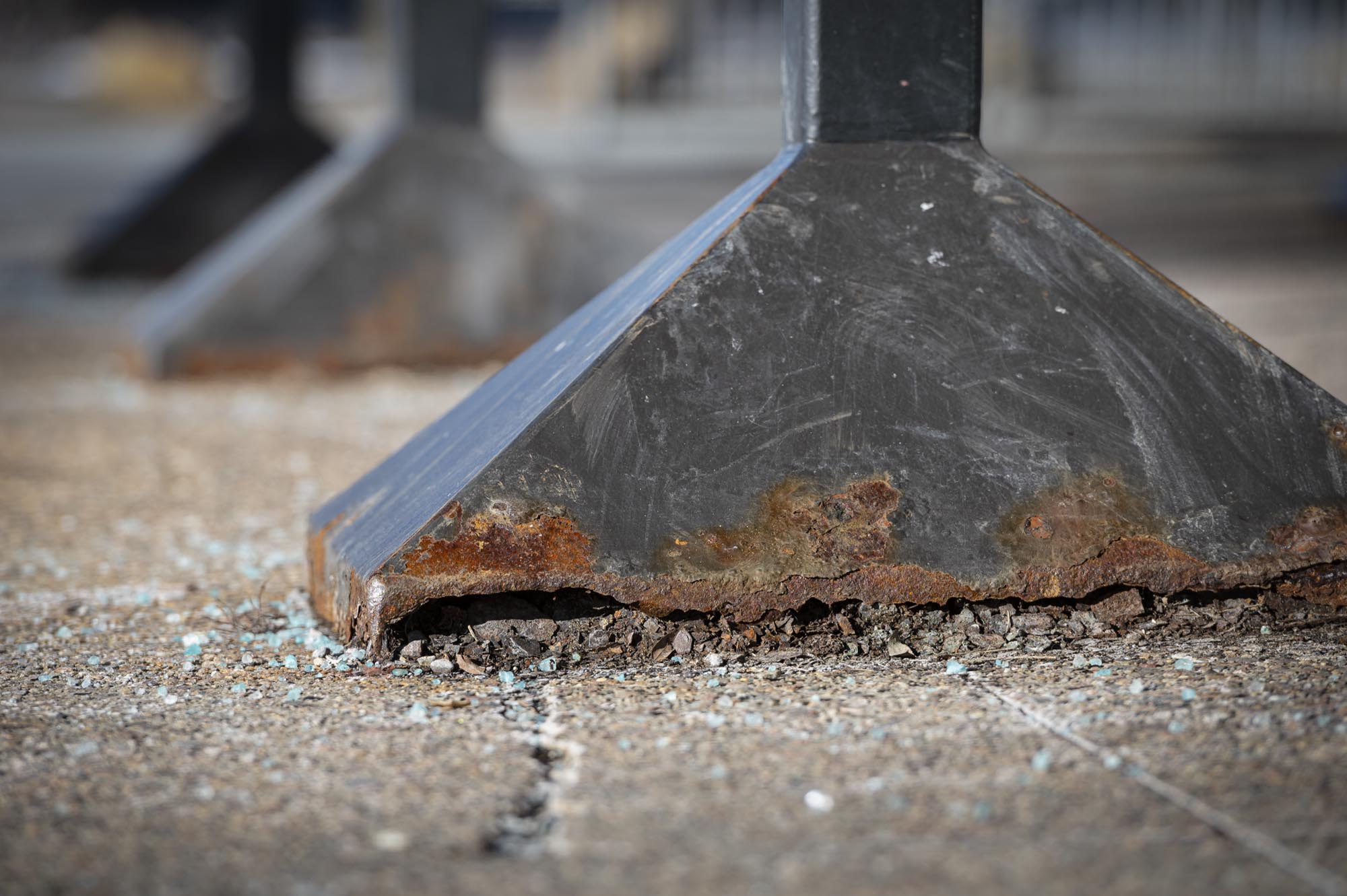
Milton is far from alone in choosing to continue to delay school upgrades. Last month, the Sharon School Board moved to table a vote on a roughly $10 million bond for security upgrades and other renovations on the Sharon Elementary School, citing uncertainty surrounding tax increases this year.
In 2007, Vermont paused its school construction aid program, which typically supported up to 30% of construction costs. At the time, the state was spending about $10 million a year on school construction — often roughly 20% of the state’s total capital funds.
State economists deemed continued and increasing construction aid untenable, a stance reinforced amid the Great Recession.
But even without state aid, a few districts are still moving forward, taking their chances because they feel they have no choice. In some locations, school leaders believe that major work can simply no longer be deferred.
One of them is Mountain Views Supervisory Union — composed of Barnard, Bridgewater, Killington, Pittsfield, Plymouth, Pomfret, Reading and Woodstock. That district ranked second worst in the state’s recently completed facilities assessment. In March, voters are expected to decide whether to approve a $99 million bond to fund the construction of a new school.
“We absolutely can’t afford to wait,” Ben Ford, a Mountain Views board member who’s leading the school bond campaign, said in an interview, citing ever-growing construction costs. “We’re not doing our students or our taxpayers any favors by continuing to wait.”
The second oldest building stock in the nation
The decline of Vermont’s aging school facilities is getting harder and harder to ignore.
Last month officials from the Agency of Education told lawmakers that schools across the state will require at least $6.3 billion in construction costs over the next 21 years to meet their needs, and that many, if not most, could not shoulder the cost on their own.
Education officials say that the estimate, big as it sounds, is wildly conservative.
“We should put a big asterisk next to that dollar amount whenever we’re talking about it,” said Jill Briggs Campbell, the education agency’s director of operations, in an interview.
Briggs Campbell emphasized that the number was based on a facilities assessment conducted by the agency that doesn’t include hidden damage, like undiscovered mold problems or leaks, nor does it include potential improvements to school architecture, building utilities and technology that will likely factor into new construction projects.
According to Briggs Campbell, Vermont has the second oldest building stock in the country. The consequences of delayed maintenance and construction, she said, are catching up with the state.
Perhaps most glaringly, dozens of school buildings across Vermont have been found to contain actionable levels of airborne polychlorinated biphenyls, also known as PCBs. The chemicals, which the Environmental Protection Agency considers “probable” carcinogens, have been linked to a number of health defects.
PCBs were widely used in building materials like electrical equipment, caulk and insulation before the United States outlawed their production in the late 1970s. With Vermont’s school buildings on average more than 60 years old, those materials could be in hundreds of Vermont classrooms.
But the presence of potentially toxic chemicals is just one of the many problems with Vermont’s school buildings.
“(The schools) are really not prepared to offer the kinds of educational opportunities that we would want them to,” said Briggs Campbell.
In some cases, she said, that means buildings that don’t have adequate ventilation or natural light, impacting students’ ability to focus. In others, schools are not properly equipped with one-on-one learning spaces, such as for counseling or speech therapy, making it difficult for schools to fulfill federal confidentiality requirements for those services.
Sometimes, however, the issues have gotten more severe. “As these systems get closer and closer to failing — and when they do fail — we see school closures,” Briggs Campbell said.
Closures could mean a school delaying the start of the school year like Milton Elementary did in 2006 due to its mold issue or, in the case of the former Burlington High School building, closing its doors permanently due to PCB contamination.
In Milton, ‘back on the slow boat’
The Milton school district first began planning for a much-needed upgrade of its elementary and middle school building in 2020.
The school district commissioned an outside contractor to conduct an assessment of the building, which documented a variety of safety and energy code violations, boilers “at the end of their expected life,” and potential asbestos issues.
The assessment also identified severely deteriorated flooring and roofing conditions as well as struggling HVAC systems, all of which contribute to an ongoing mold problem that has plagued the school since at least the mid-aughts, when it resulted in an almost a month-long delay to the 2006 school year for remediation efforts.
Following the assessment, the district assembled a committee and embarked on a series of conversations with the Milton community to decide how best to address the construction needs.
By early 2023, the school district had partnered with a contractor and established that it would build a new pre-K-8 school facility entirely rather than renovate the existing school. After months of forums and surveys, the project committee in April 2023 voted to go forward with planning for the new building.

Rex, the district superintendent, said that it felt like the school district had the community’s support and was moving forward with wind in its sails. “It was like, ‘green light’ — move ahead and do the cost estimate to see how much a new build would cost, and do the design work,” Rex said of community feedback at the April meeting.
The district hosted another meeting in September to unveil the design for the new school and the estimated cost — almost $200 million — which would have to be paid through a bond.
“We were a little bit taken aback. People were upset,” said Rex, who noted that there was a small but outspoken group of community members at the meeting that expressed outrage over the potential tax increases.
Following the September meeting, the school district sent out a new survey to homeowners in Milton about how best to proceed, and found that the community was now thoroughly divided on what to do next.
According to Rex, only about a third of respondents fully supported the construction of an entirely new building. Now, she says, the project is on “a pause” as the district figures out the best way to move forward, and no large decision is likely to be made until at least next year.
“We kind of started on a slow boat and then we got some energy and excitement from our community, and things kind of moved fast and then they shut us down,” Rex said. “So now we’re back on the slow boat.”
In Woodstock, ‘if it were free we would rejoice’
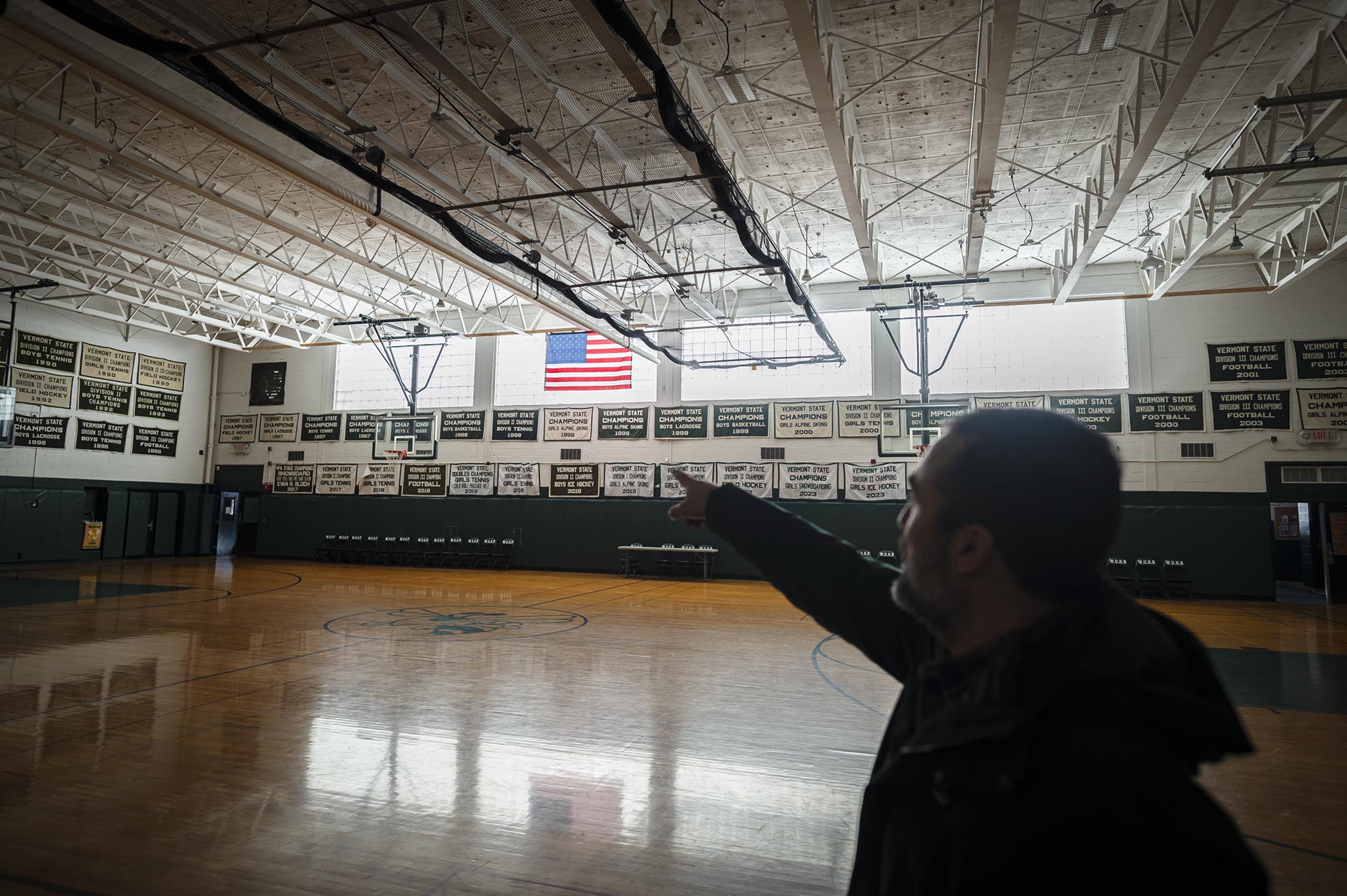
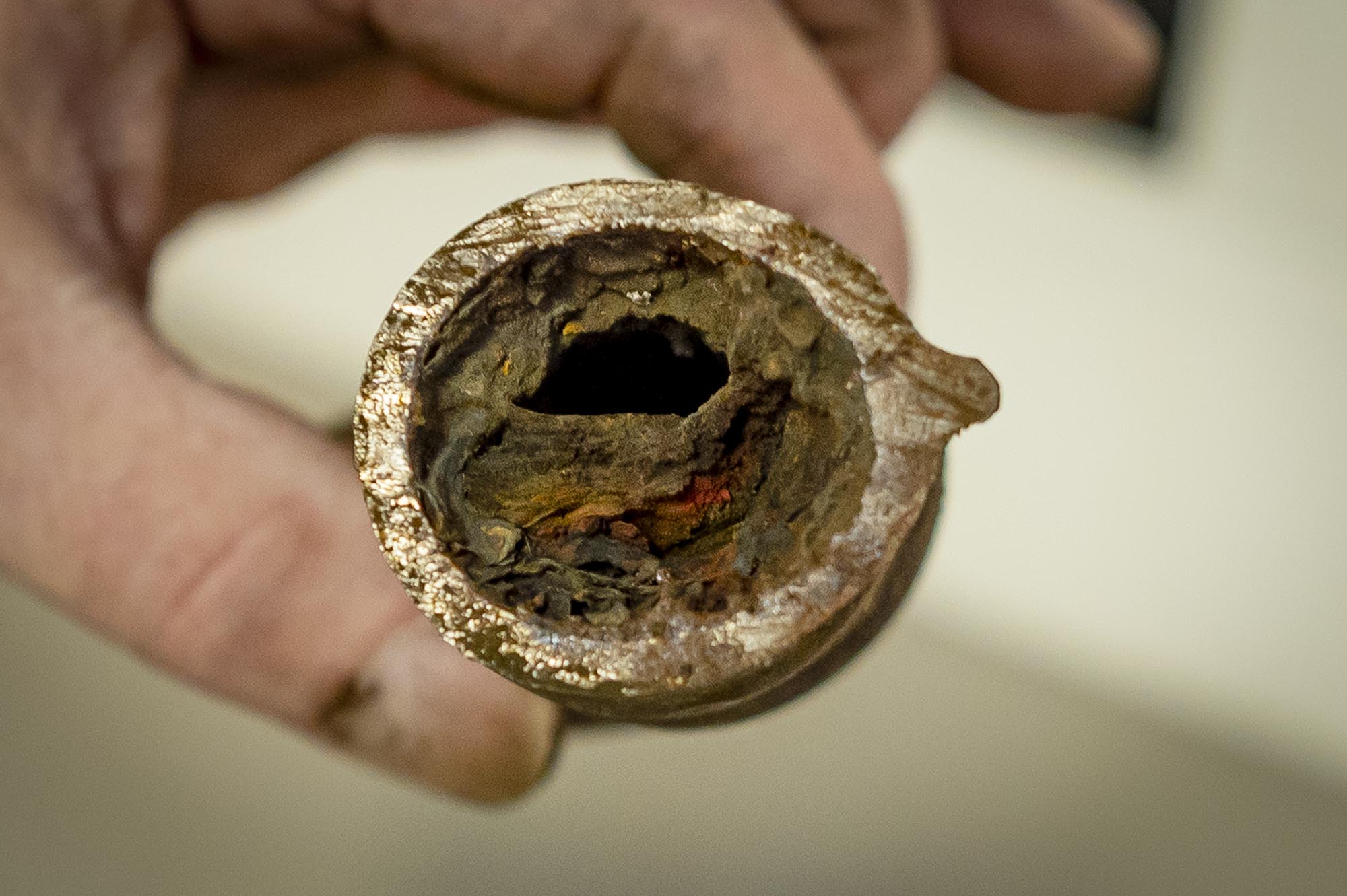
Woodstock Union High School and Middle School first went into service in the late 1950s. Now, a failing heating system, faulty plumbing, a lack of sprinklers and other woes have local school leaders pushing for a new building.
As the district mulled its options, it considered three possibilities: a renovation, building around existing buildings, and building new.

At $51 million, renovation wouldn’t “move the needle” when it comes to the school reaching its goals of creating spaces for modern education and improving energy efficiency, said Ford, the Mountain Views school board member leading the new school initiative.
“That was not attractive in terms of an expenditure level that high to achieve such a modest outcome,” he said, “particularly where you’re thinking, ‘What if we do that? Can we even make the building, you know, fire code, or (Americans with Disabilities Act) compliant?’ And the answer is likely no.”
Last Town Meeting Day, voters approved a bond to begin designing and permitting a new school. Since a new school was first imagined, the price tag has ballooned with inflation and rising construction costs, from about $65 million in 2019 to today’s $99 million, Ford said.
If the bond passes, Ford said construction could begin in 2025 next to the current school, so that students could continue learning in the existing building. A new building could be ready to open for the fall 2026 school year.
Ford acknowledged the tax burden of a $99 million bond, and district leaders have created an adjustable tax calculator that allows voters to predict their expected taxes based on a variety of factors. The exact terms of the bond — interest rate and length — can be finalized if approved and may depend on other variables like the number of students in the district over time.
But Ford does see ways of lightening the cost. The district is engaged in private fundraising, with a goal of securing $5 million in donations. Mountain Views also benefited from Act 127, which increased the district’s local “pupil weight” due to its small, rural schools.
He believes that a new school would attract more students, both from out-of-district towns and those locally choosing to attend other schools, ultimately lowering education costs down the road.
“There is competition for our students,” he said. Anecdotally, more students are tuitioning into schools like Hanover High School, Kimball Union Academy, and Upper Valley Waldorf School, according to Ford, and Mountain Views attracts only a fraction of students from nearby school-choice town Hartland.
“The skeptics’ line is, ‘you can’t bank on (the idea) if we build it, they will come,’” Ford said. “We’ve already seen that if we don’t build it, they will leave.”
Skeptics have indeed honed in on the notion that a new school could boost enrollment, as well as the overall cost of construction. Suzanne Wooten, Jennifer Falvey and Peggy Fraser are three district residents who have helped organize a “grassroots movement” against the bond.
“If it were free, we would rejoice,” Falvey said. But with property taxes already expected to increase upward of 20%, she instead supports renovation. “We all have to make hard decisions when it comes to the finances,” she said. “We cannot afford this.”
The three said with the interest rate and terms of the bond unclear, it is impossible to vote from a place of complete understanding. They also pushed back at the idea of growing the district’s tax base.
“We don’t have the infrastructure” to support new housing, Fraser said, pointing to Woodstock’s faulty municipal water system, “Nor is there available land.”
“There aren’t even jobs here,” she added.
Wooten argued the proposed school was too excessive, calling it “a small Harvard” and the school board’s “baby.”
“Their own baby is going to kill so many of us that are already overburdened with taxes,” she said.
Ford said that, historically, Town Meeting Day has seen low voter turnout. For that reason, getting out the vote is a top priority for the board, with a preliminary target of 1,250 “yes” votes.
District leaders are also hosting information sessions in area towns leading up to the vote. There, they hope to convey their sense of urgency to make the investment.
Ford called those sessions “one of the most effective” methods of conveying the need for a new school.
“You actually have to facilitate conversations, right, first and foremost, and get into a discussion with people,” he said.
Getting in line
In Milton, the decision whether to move ahead with its construction project in the near future relies on a key question: Will the state start assisting districts with construction projects again? And when?
In the Statehouse, it’s a question that the House Committee on Education has prioritized this year. Still, all signs suggest that state money is years away.
Earlier this month, a long-awaited report on how Vermont should address its school infrastructure needs landed in the Legislature, with early indications suggesting state funding could arrive two years from now.
Though the report’s recommendations are preliminary — a yet-to-be-created task force is expected to further refine the idea for a state aid program — its proposals may come to fruition. Among them is the suggestion that the state consider a district’s poverty level and taxing capacity when providing aid, thus helping poorer districts that otherwise might not even consider a construction bond.
Another idea: The state should think about reimbursing funds to districts that have engaged in construction projects in the years immediately preceding the launch of the state aid program. With retrospective funding a possibility, districts could decide it makes sense to go ahead with bond votes.
The task force also acknowledged “the conflict between the more immediate need to address the presence of airborne PCBs … and school districts’ need to plan for future major construction projects on a longer time horizon.”
Current law requires schools to test for PCBs, with limited money set aside for their remediation. School construction aid, the new report indicates, should pull Vermont’s PCB program into its purview.
As for where the money for construction aid will come from, the task force pushed off that decision. Some will likely draw from the state’s bonding capacity ($54 million per year and recently declining). But the rest is unknown.
Instead of nailing down an option, the report suggested that the Legislature lean on its economists to model “ongoing and specific” annual revenue sources. Then, future lawmakers will need to make a final decision.
Even when the money comes, nobody has suggested it will be enough to go around.
Regardless of need, voters have shown little appetite to pay. Since state aid disappeared in 2007, bond votes have failed everywhere from South Burlington to Slate Valley, in the rural Northeast Kingdom and the wealthy town of Stowe.
“You’re going to have to get in line, right?” said Milton’s Rex. “Everybody’s got needs.”
