


The date of the first human inhabitation in Vermont is something of a moving target. The more that archaeologists study the question, the farther back in time the date seems to move.
The current thinking is that humans arrived here about 12,000 or 13,000 years ago. That’s at least 1,000 years earlier than was believed just a decade ago. The latest change wasn’t due to some new findings from the field but rather to a recalibration of how radiocarbon dates are set.
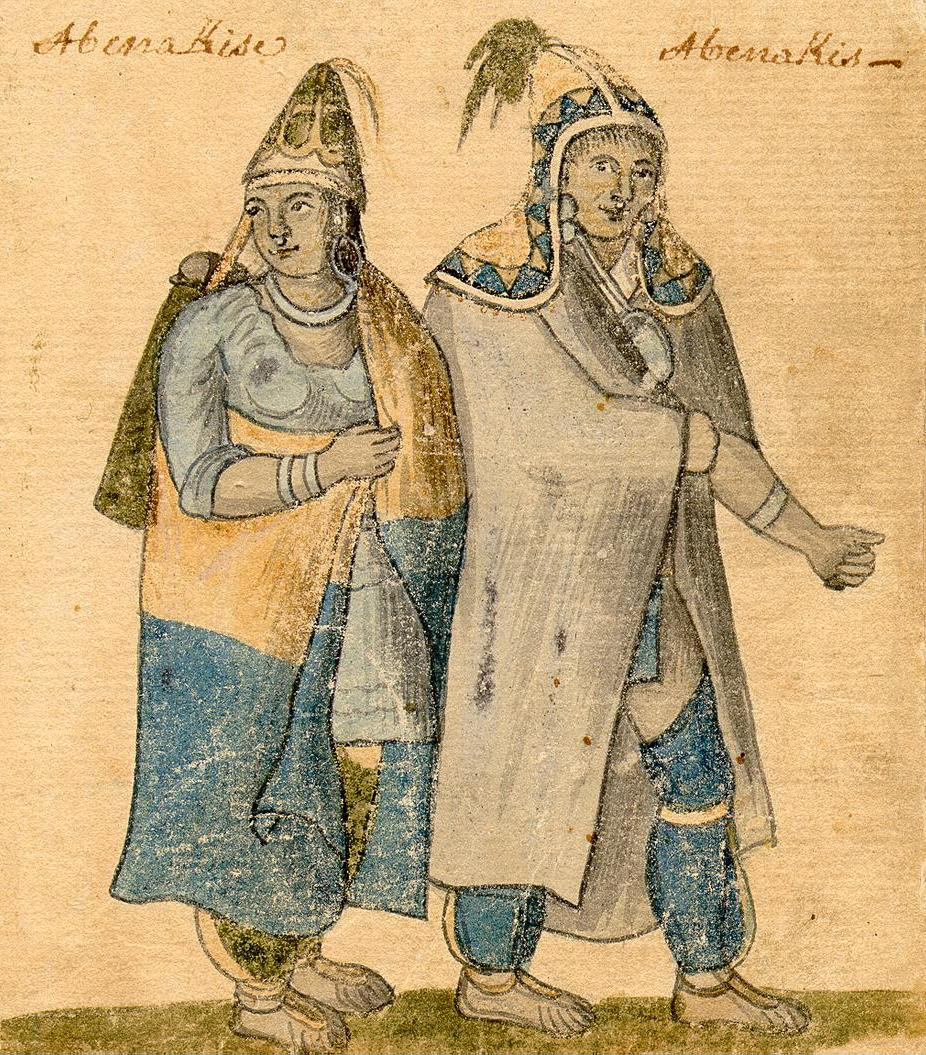
Whatever the actual date, the first people to arrive in what is today Vermont would have found a land devoid of trees. An ice sheet a mile thick had scrubbed any plant life from the earth’s surface.
As the ice sheet retreated, people moved north in its wake. The Champlain Sea, a larger, saltwater predecessor of Lake Champlain, created a temperate environment compared to the rest of the state and might have drawn people and animals to it.
At this point, tundra covered Vermont. Any people here at the time would have witnessed remarkable changes in just a few generations, especially the arrival of pine forests, which established themselves quickly across the once-barren landscape. As the sea turned from saltwater to fresh, species died out and these first human inhabitants found they no longer had large sea mammals like whales and seals to hunt.
What we know about the lives of these people has been pieced together by archaeologists, who extrapolate from what we know about cultures elsewhere during the same time, now known as the Paleo-Indian Period. That’s because much of the evidence left behind by these early inhabitants — shelters, boats and clothing — has long since decayed in Vermont’s acidic soil. We don’t know, for example, whether Paleo-Indians traveled in wooden canoes or ones covered in animal skins.
What have been found are stone tools that Paleo-Indians used to grind, cut and kill. Archaeologists have learned to identify different eras of stone tools by their distinctive shape. During different periods, Indians used distinctive techniques for chipping and shaping their tools.
Archaeologists have also made the stunning discovery that some stone tools found here were actually made of minerals from such distant places as Pennsylvania, northern Maine and even Labrador. Paleo-Indians’ lives were less constrained by geography than we might think.
We still don’t know who carried these stones to Vermont and why. Were these stones valued for a practical purpose — perhaps they made good spear points — or did they have a spiritual significance? Or were they traded to create connections between distant peoples?
Life was easier in the Early Archaic
Life grew easier in Vermont about 9,000 years ago, during an era now called the Early Archaic. The weather had warmed, wetlands formed and rivers became home to more varieties of fish. People responded by establishing seasonal camps in river valleys and, perhaps for the first time, started fishing. They also moved camp occasionally to gain access to various types of game and wild plants.
This wasn’t agriculture as we think of it. Archaeologists refer to Native Americans “encouraging” certain plant species, perhaps by weeding out competitors, rather than by actively selecting and propagating them.
Archaeologists have noted that the population of the Champlain Valley seems to have declined between 7,500 and 6,000 years ago, during the so-called Middle Archaic. The reason for the decline is unknown, though archaeologists concede that there might have been no actual decline; perhaps they simply haven’t been looking in the right places. Discoveries in the Missisquoi River drainage and in Salisbury suggest that people might have lived close to rivers because the land was drier then.
As we move closer to the present, the past comes into sharper focus. During a period from 6,000 to 3,000 years ago, known as the Late Archaic, Vermont’s climate was notably warmer, akin to the current climate of the Mid-Atlantic states. Deciduous trees like beech, chestnut and oak spread within Vermont’s forests and increased the numbers of game animals, including squirrels, deer and bear. The expanding tree species also provided edible nuts for the human population, which grew significantly during this period.
Evidence suggests that Native Americans remained in contact with distant peoples. Archaeologists have found period projectile points that were made in the style of other tribes, using non-native stone types.
Despite the long-distance trade, the people of what would become Vermont seem to have led increasingly settled lives. During this period, people began creating stone bowls and axes and other weighty tools that would have taken a long time to make and have been heavy to carry.
Population apparently began to decline again during the Early Woodland period, which ran from 3,000 to 2,000 years ago. A cooling climate, which created temperatures comparable to ours today, might have been at fault. Long-distance trade continued, however, now with regions as far away as the Gulf of Mexico.
Ceramics, and bows and arrows
But what distinguishes the Early Woodland is the appearance of two new types of artifacts — ceramics, and bows and arrows. The presence of ceramics suggests that Native American societies were becoming less mobile, since they take a long time to form and fire, more time than a perpetually nomadic culture would likely take.
Some archaeologists theorize that ceramics might have had a mystical meaning to people during this period. Perhaps the process of firing a pot, during which it smokes and glows and eventually becomes hard and waterproof, was viewed as a form of magic. Their presence in burial sites suggests they had a special significance.
The arrival of the bow and arrow marked a major advancement in hunting. Judging by their larger size, earlier projectile points were likely attached to spears. We don’t know for certain, because the wooden shafts have long since decayed. During the Early Woodland, the points became small enough to be attached to arrow shafts and shot. The advent of the bow and the arrow would have made it possible for hunters to stalk prey from a greater distance, thus increasing the amount of game they could kill.
By about 2,000 years ago, during the Middle Woodland period, people began to create larger settlements in fertile plains and lived there for much of the year. Periodically, smaller groups apparently left the settlement to live in camps, perhaps for the purpose of hunting. People also began to domesticate plants, encouraging those that they found most useful and even introducing new plants to the region.
By about 1,000 years ago, at the start of the Late Woodland period, people here were growing squash, corn and beans, the classic combination of crops raised by indigenous people across North America. The corn would be planted first, then the beans, which would use the corn stalks as poles up which to grow. And the squash would grow along the ground, protecting the corn’s shallow roots and providing shade that kept out weeds. Eaten together, the foods provided a balanced diet. The abundance of food, both harvested and hunted, helped swell the population.
But this latest time of prosperity would be short-lived. A devastating era for the region’s original inhabitants arrived little more than 400 years ago, when a new group of people, the Europeans, came to North America. They brought with them their own beliefs, technologies and diseases. Their arrival initiated a disastrous era for the indigenous population, which archaeologists dubbed the Contact Period.
