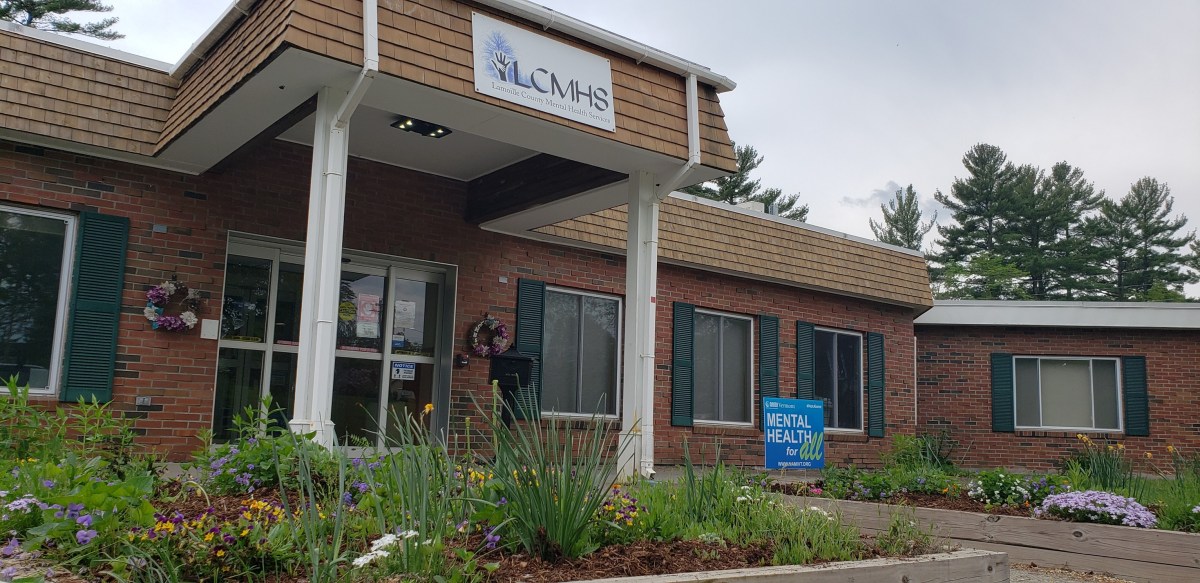
This story by Aaron Calvin was first published by the News & Citizen on July 6.
Lamoille County Mental Health Services’ Alcohol and Substance Awareness Program, also known as ASAP, ended last month, leaving those in need during emergencies caused by severe intoxication without a vital service, and likely leading to a greater workload for first responders and the further criminalization of those who suffer from substance use disorder.
More than a so-called “drunk tank” or a place for the overly inebriated to “dry out,” ASAP provided those who were too intoxicated to care for themselves or those who might be a danger to themselves and others a safe place that wasn’t a jail cell, and it served as a primary point of contact for further treatment and an entry into recovery.
Diversionary programs run through the Vermont Department of Health — known as public inebriate programs — have been around since the 1970s, but ASAP served as Lamoille County’s primary emergency intoxication service beginning in 2012. It was funded by the department through a $250,000 annual grant, the exact amount it has cost for a single employee to manage ASAP around the clock, every day of the calendar year.
In 2018, funding was cut to $100,000 per year, according to Lamoille County Mental Health Service chief executive Michael Hartman, with the explanation from the department that the remaining funds would be reallocated to the Northeast Kingdom, an area that ASAP also served.
Despite lobbying efforts from Lamoille County sheriff Roger Marcoux and former Morristown police chief Richard Keith that saw $30,000 in yearly funding reinstated, and the best efforts of Lamoille County Mental Health to pursue other grants to make up the loss, the funding gap was unsustainable.
“We’ve tried to keep it alive for the last few years, but the funding gap has been enormous,” Hartman said. “We’ve tried a number of ways to work with (the Department of Health) and, basically, that wasn’t in the cards from their perspective.”
A spokesperson for the Department of Health only confirmed that Lamoille County Mental Health declined to continue participating in the grant that had partially funded ASAP and alerted them the program would close at the end of June, with no indication about any plans to restructure emergency intoxication services in the Lamoille County region anytime soon.
Outside of a brief slowdown during the first year of the Covid-19 pandemic in 2020, ASAP saw somewhere between 20 and 30 people a month on average, half of whom were brought in by the police after their behavior led to a public disturbance or if they were deemed to be harmful to themselves or others. Others were referred from the emergency room at Copley Hospital or brought by ambulance.
The program also often served people experiencing homelessness, those without a fixed residence and those who, until recently, had been housed in the state’s emergency hotel program. They were not only given a safe place to regain sobriety, but also provided with a warm meal and mental health services not generally afforded to them.
According to Hartman, about 70% of those brought to ASAP were willing to accept referrals to a treatment program.
“For some folks, this was one of those bell-ringing moments of, ‘Wait a minute, things must be really bad if I’m ending up in the emergency room, and police are here’ and all that, and they would be willing to consider at least getting an assessment to see if they could be called by a counselor for support, so it’s been a really good program,” Hartman said.
For those who may have once benefited from ASAP, the only remaining alternative now is a trip to the prison in St. Johnsbury, resulting in the kind of criminalization that the program once prevented, and will also likely put greater stress on local police departments.
“ASAP had been a great local resource utilized by law enforcement for intoxicated people who needed a safe environment,” Morristown police chief Jason Luneau said. “Losing ASAP means Morristown Police Department will need to call in two officers (on overtime) to transport intoxicated people (who need a safe environment to sober off) to Northeast Regional Correctional Center in St Johnsbury.”
Many of those brought to ASAP from Stowe were out-of-town visitors, making their trip to the Northeast Kingdom jail instead of the Morristown mental health facility an even greater shock.
“The overall length of time we will now spend handling the incident will at least double if not more due to the length of transport and other logistics,” Stowe Det. Lt. Fred Whitcomb said. “Officers will have to be called in to assist, which is another issue. These situations can often be unpredictable due to the mindset of the person and impairment level, which is something I don’t want my officers to endure. One of the defusers of this type of call was that the person would be going to a place to essentially sleep it off, which was not punitive. Now the alternative is jail, which can gaslight a situation and make things much more volatile.”
The end of ASAP will also create a void for those struggling with substance use to get into other assistive programs at Lamoille County Mental Health and Lamoille Health Partners.
“With the closure of ASAP, that short-term case management that was happening and helping people assess where they need to navigate next, those individuals will probably be in a more acute stage when they do interact with a behavioral health mental health provider,” said health partners chief executive Stuart May.
Lamoille County Mental Health is far from the only nonprofit health care provider feeling the stress from rising expenses and declining government funding. Burlington’s Howard Center also announced in June that it would be cutting four of its programs, according to VTDigger, among which was the St. Albans Public Inebriate Program, which provided a service in Franklin County similar to ASAP.