

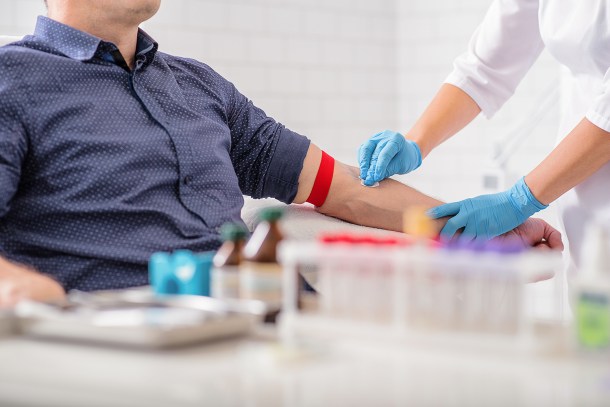
Vermont, like the rest of the nation, is facing a critical blood shortage.
Blood supplies have been declining since the pandemic began in March 2020, exacerbated by surging Covid-19 cases and a lack of donations.
Blood shortages can have disastrous impacts on hospitals’ ability to treat patients with serious health problems. For instance, blood is a crucial part of most surgeries.
When the pandemic began, donations quickly declined, said Mary Brandt, spokesperson for Red Cross of Northern New England. People were worried about getting Covid-19, and blood-donation centers seemed like a risky place to visit.
“We had thousands of blood drives across the country canceled in a matter of a week or two,” Brandt said.
In response, many hospitals canceled all elective surgeries to preserve hospital space for Covid-19 patients. As the pandemic eased and elective surgeries began to return, the need for blood increased again.
But donors remained scarce.
Some hospitals in the region are critically short of blood since they rely on the Red Cross for their supplies, said Nancy Dunbar, a pathologist at Dartmouth Hitchcock Medical Center. The Red Cross has been forced to clamp limits on how much blood they can supply per hospital, Brandt said.
Across the board, the most urgent need is for all O blood types because O+ and O- types can safely donate to any other type, Dunbar said.
According to Brandt, as the Omicron variant has spread, more and more people are choosing not to donate for fear of contracting the virus. Donation centers are short-staffed as their employees — like everyone else — have been forced into quarantine after coming into contact with Covid-19 patients or coming down with the virus themselves.
“Right now we’re seeing a shortage that we have not seen in more than a decade,” Brandt said of the blood supply.
Brandt said the Red Cross typically aims to keep a five-day supply of blood on hand at all times in case of a major emergency or influx of patients. Right now, the supply is down to half a day, she said.
“These numbers are really dangerously low. We’re facing a situation now where some patients requiring transfusions may not receive the blood supplies that they need,” Brandt said.
An exception is Dartmouth-Hitchcock Medical Center in Lebanon, New Hampshire. Since it’s close to the state line, it treats many Vermont residents and can handle complicated cases.
Unusually, Dartmouth-Hitchcock has its own donation center at the hospital. A few weeks ago, when the Red Cross alerted the hospital about the blood shortage, the Dartmouth-Hitchcock donation center ramped up its outreach efforts and has been able to meet demand, Dunbar said.
Donating blood at a hospital-based donation center is different from donating to the Red Cross or another blood donation service in that the donated blood goes directly to the local community. The Red Cross distributes blood throughout the country.
“It’s been an important way to weather this storm,” Dunbar said.
Dartmouth-Hitchcock is a Level 1 trauma center, treating the most critically injured patients, so it keeps more blood on hand than a typical hospital. It pushes to ensure enough blood is on hand to treat patients who need it most. If necessary, it could again cancel or postpone elective surgeries.
Another factor in the critical blood shortage? The holidays.
“It’s harder to recruit people to donate blood over the holidays, either because they are traveling or prioritizing family time. That’s always — not just this year,” Dunbar said.
Blood donations last for only 42 days. After that, the blood is not usable. That’s why a steady stream of donors is essential and why blood-donor days in Vermont are spread out throughout the calendar so big swaths of the blood supply don’t expire all at once.
To donate at Dartmouth-Hitchcock Medical Center, call 603-653-3775. To donate to the Red Cross, click here to make an appointment.

