


Contents
1. The Garbage Question
2. The Public Servant
3. A New Year’s Resolution
4. About Face
5. The Unknown Soldier
6. Officers’ Training
7. At the Front
8. No Man’s Land
9. Improper Burial
10. Epitaph
1. The Garbage Question
The last week of 1917 was among the coldest on record for Vermont. St. Johnsbury reported 52 degrees below zero one morning, and even in Burlington it never rose much above zero. Crews cut blocks from the ice on the Winooski River, already 15 inches thick.
The cold snap came at a bad time. The war had caused a shortage of coal, and the U.S. fuel administrator limited each purchaser to half a ton. Officials estimated Burlington had no more than two weeks’ supply. Churches canceled their evening services, and schools extended the winter break. Soon the federal government would announce a series of 10 “heatless Mondays,” mandated holidays for all nonessential industries, to conserve for the war effort.
It was dark by 4:30 that Thursday night. By 8:30 it was well below zero. Most of Burlington’s 20,000 residents were home in bed or sitting close beside their stoves. Frank Ennis, the city’s health officer, sat in the council room at City Hall, watching 20 taxpayers file in from the cold in their heavy coats. Ennis knew most of them, and why they had come.

The newspapers billed the meeting as a hearing on “the garbage question,” but in fact it was a referendum on one man, like a defendant at trial: Frank McCale, the garbage collector for the city. Members of the Board of Aldermen and the Board of Health sat behind their tables like the justices of a high court, with a gallery of 20 taxpayers lining the sides of the council room.
Ennis sat with the other board members, but he had a double role. As health officer, he directly oversaw McCale’s contract, and now he played both expert witness and judge. His testimony would determine the verdict.
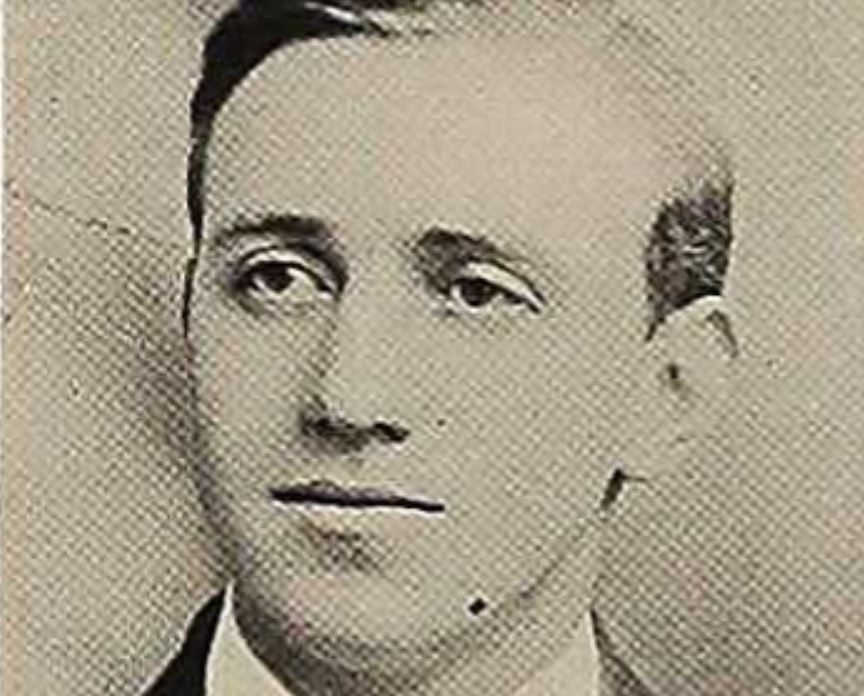
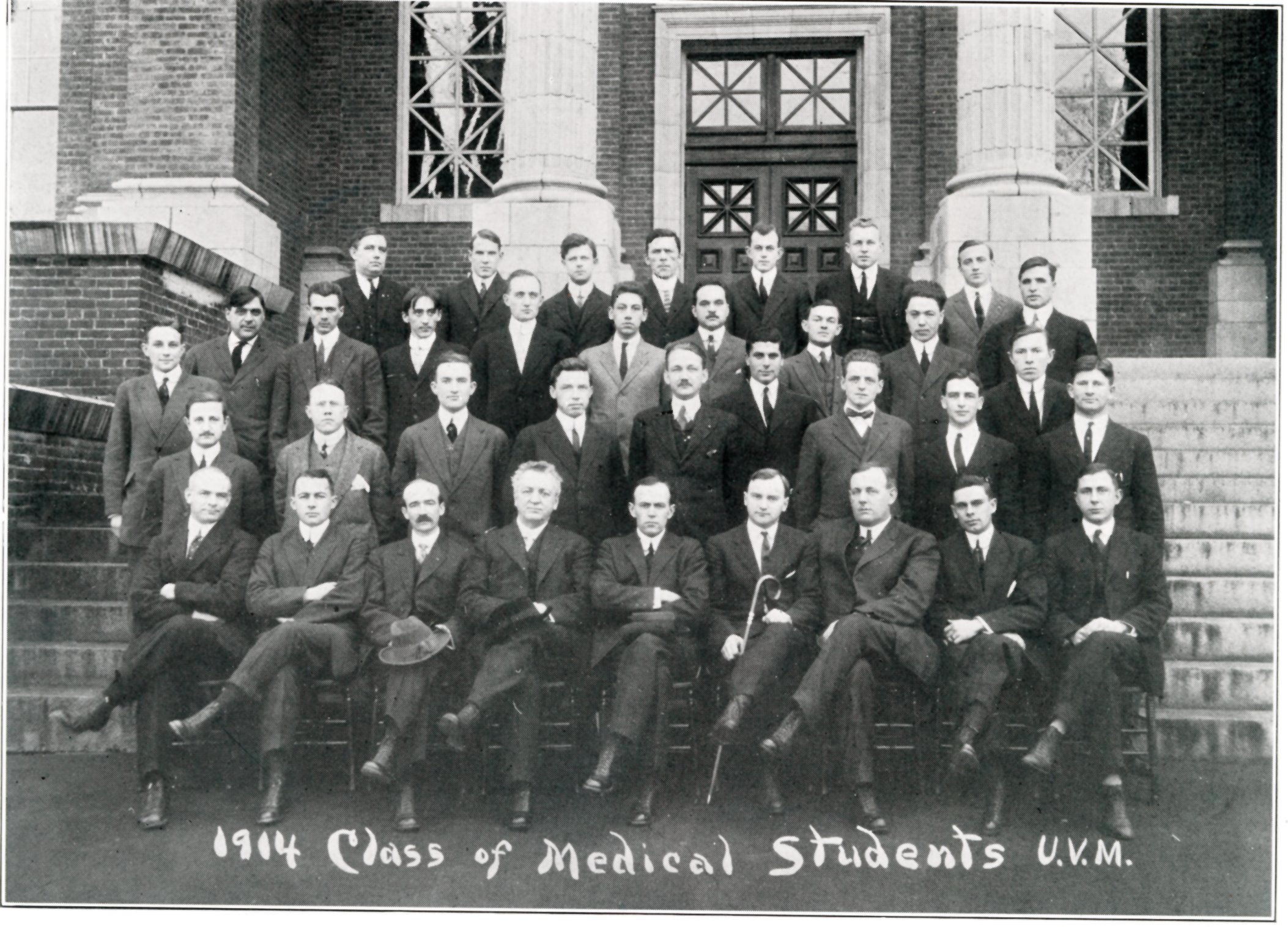
McCale was 61, weathered by decades of hard labor. He had helped build modern Burlington, hauling stone and moving buildings. Ennis belonged to a different generation and class: He was 30 years old, and a doctor. But like McCale, his parents had emigrated from Ireland — his mother arrived in New York as a teenager after the famine. He grew up poor, the middle son of five Ennis children, in Bridgeport, Connecticut, and worked his way through the University of Vermont’s medical school as a druggist, renting a cheap room on Weaver Street across the river in the immigrant mill town of Winooski.
Ennis knew the mess McCale had inherited. When he awarded McCale the garbage contract in the fall of 1916, trash had been piling up for months. Ennis went down to Church Street to see for himself, but he could only come so close before he turned away, overpowered by the stench. McCale’s men drank whiskey and muzzled their faces with rags before they loaded their carts.
Early on, Ennis had defended McCale to the council, but a year later there were still parts of the city where the garbage crews were seldom seen. This was the second time the aldermen withheld McCale’s pay, announced a special meeting, and called him to stand before them.
McCale knew how to fight — once, in a brawl, another railroad worker bit his thumb to the bone. At the meeting, he held up a copy of the city’s garbage ordinance and read the law aloud, pausing for emphasis between each section. The ordinance defined garbage as “household swill and kitchen refuse,” he reminded the council. “All glass, tin cans and chemical, poisonous or other substances unsuitable for feeding swine shall not be put into or mixed with the garbage.”
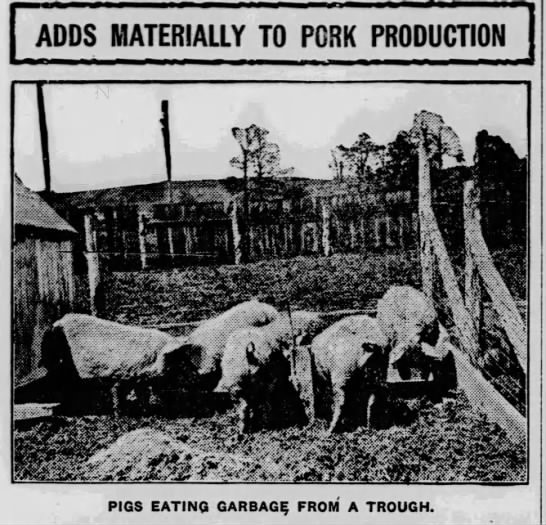
McCale’s business depended on respect for the law. He brought the garbage back to feed 165 pigs at his farm on Malletts Bay. Broken glass and metal scraps were routinely in amongst the trash, he said, making it unfit for his hogs. There were tubs of ash, with a little garbage on top to obscure the contents. There were paint cans leaking into the swill, and trash barrels ripe with tobacco spittle from spittoons.
Ennis could relate to McCale’s frustration. It was one thing to pass an ordinance and another to enforce it. The law forbade households from burning soft coal, but the city was still thick with its smoke, blackening the curtains of the new hotels downtown. He referred the violations to the city attorney, as the law dictated. Nothing ever came of it.
Ennis was the city’s first full-time health officer. Burlington’s garbage contract system was just 10 years old. The city’s population had tripled in McCale’s lifetime. Both men lived at the boundary of the emerging modern social contract, when rapid change was reframing an old question: What should the government provide for its citizens, and what can it demand of them in return?
The war cast this question in stark relief, demanding sacrifices from every citizen. It also threw the economy out of balance, distorting every market. McCale told the council his position had become untenable. Scavengers often got to the trash before his crews could collect it. People were conserving food, leaving less for his hogs. Worst of all, the labor shortage: Most of his workers were drunks who ran off once they were paid, and he had gone so far as to hire two women.
Ennis knew all of this was true, but McCale’s argument could not stand unopposed. McCale had been called to the meeting for a rebuke, not to prosecute his own case against the city. The council and the 20 taxpayers looked to Ennis for a rebuttal.
He rose and did his best. “Gentlemen, I can’t agree with Mr. McCale,” he said. There were places — Elmwood Avenue, King Street — where the garbage simply wasn’t collected, and as for McCale’s hogs, he wasn’t surprised the garbage was unfit to feed them: It rotted because McCale was so late picking it up.
“We have a large number of complaints,” he said, “so many in fact that I have been unable to keep track of them.”
2. The Public Servant
The last day of 1917 was Ennis’ third wedding anniversary. In medical school he courted a Burlington girl, Anna Murray, an accomplished pianist who worked as a stenographer for T.S. Peck, the Burlington agent for the National Life Insurance Co. Ennis looked young for his age, but there was some unflappable humor in his heavy-lidded eyes, and something resolute in the set of his mouth. At their wedding, Anna wore “a sand-colored suit with a hat to match, and a corsage bouquet of pink roses.”
In the fall of 1914, the newlyweds moved out of the city, to the town of Richmond. They purchased an automobile (a new Metz runabout) and rented rooms in the Gleason Block, where Ennis set up an office and started practicing as a country doctor. He got off to a good start, and he and Anna were well-liked in town. But just over a year later, in the spring of 1916, the young couple moved again, back to Burlington.

That winter the state Legislature made provision for a full-time health officer in Burlington, and gave the city’s board of health discretion to recommend someone for the position. One member of the board, soon to be its chair, was Dr. Daniel Shea, who operated one of the largest practices in Burlington. Shea was just six years older than Ennis, and one of the instructors at UVM when Ennis studied there. The two Irishmen belonged to the same fraternity, Phi Chi, and were members of the DeGoesbriand Council of the Knights of Columbus. Ennis evidently made an impression at UVM, and may have had connections. They offered him the job.
When Ennis signed the contract, he agreed to become a public figure. The newspapers listed his phone number, 1473-R; his address, 518 S. Union St.; and his modest monthly salary, $127.85. He had taken a role in Burlington’s civic drama: “guardian of the city’s health.” Readers could follow him to North Willard Street, where he sent Moses Mehl to jail for feeding horse manure to a starving cow, or to the county courthouse downtown, where John Seith was on trial for installing substandard plumbing in his home on Foster Avenue. They knew he drove to inspect 148 dairies in the Burlington area several times each year, and they knew the precise conditions of his service: When he asked the Board of Alderman for a gasoline budget of $6.25, the aldermen gave him $5.
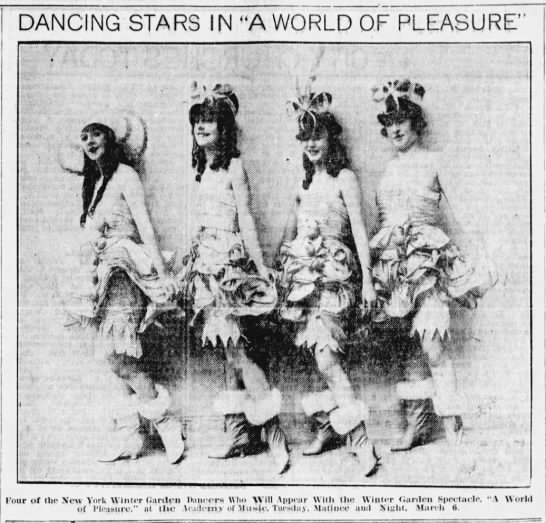
His profile rose in 1917, his second year on the job. That summer he quarantined a number of Burlington households after a man from Barre attended a military concert with his child, who soon after became ill with polio. The public’s fear of the disease — and faith in Ennis’ powers — was such that citizens pushed him to take more drastic measures. When the carnival show “A World of Pleasure” was on its way to Burlington from Barre, Ennis received many inquiries from citizens who hoped he would prohibit the show altogether, or at least keep people under 16 from attending. He had to balance the limits of his mandate with public expectations, telling the show’s manager that the performances could go on as planned, and also making sure to tell a reporter that his permission “might be rescinded if circumstances seemed to require such action.”
World War One gave Ennis a larger opportunity to distinguish himself. When the war began in 1914, the U.S. military had fewer than 100,000 soldiers. In the spring of 1917, when the U.S. entered the war, President Wilson called for a million volunteer soldiers. Six weeks later, only 73,000 Americans had stepped forward. On May 18, Congress passed the Selective Service Act, giving the government authority to raise an army through a draft. Ennis served with Burlington’s mayor and city clerk on the city’s draft registration board, acting as one of the chief organizers for the conscription.
Tuesday, June 5, 1917, was a cloudy day, drizzling and cold, down into the 50s. The merchants’ association had draped City Hall with flags and bunting, and Ennis was there before daybreak, directing 30 volunteers as they set up a row of registration tables. When he opened the doors at 7 a.m., a line of 200 men had formed outside. One by one, they came in and climbed the long stairs to the auditorium, to submit their names for the draft.
At 8:50, church bells rang across Burlington. Buglers rode on horseback down the streets, calling its citizens to duty. When the volunteers completed a registration, the card was brought to Ennis, who inspected it for defects and stamped it with a serial number. In his first hour that morning, Ennis numbered 500 cards.
The first man registered at City Hall that day was a German-born dentist, Oscar Heininger. Later in the day, Ennis stamped the card of another German, a man who had served three years in the German army and another three years in the U.S. Army, both in artillery units. The man asked for an exemption: He did not want to fight his two brothers, who were serving in the German army.
By the time registration closed at 9 p.m., 232 foreign-born “aliens” had appeared, including a “score of Finns,” a number of Poles, Greeks and Italians, along with a few Hungarians and “men from the Far East.” Five “negroes” also registered. Ennis’ volunteers asked the Black soldiers to tear off one corner of their draft cards, to make them simple to identify and separate from the others. It was the first indignity on their journey to war, where they would be treated as second-class citizens.
All through the day Ennis heard the low voices of the men at the tables, answering the volunteers’ questions, in accents from across the globe. He heard them all speak the same oath as they turned in their cards: “I affirm that I have verified above answers and they are true.” He worked with the city clerk and his assistants until 1 a.m. that night, classifying the 1,601 names.
They finished the job the next morning, then released the results to the papers, where the numbers were held up as a measure of Burlington’s patriotism. By the summer of 1917, there was widespread support for war, and many men seemed eager to serve, at least once the choice had been made for them. But 997 of the men who registered in Burlington, well over half, claimed an exemption.
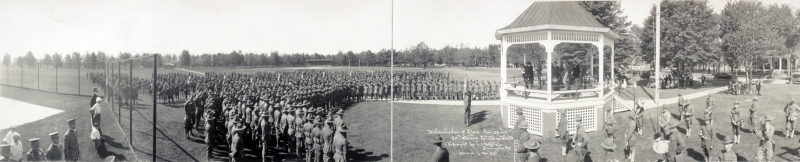
This conscription was more equitable than in the Civil War, when Union draftees could pay a commutation fee or hire a substitute. In 1917, every American man between 21 and 31 years old was required by law to register. There was a broad exemption from service for workers in industries deemed essential for the war effort, and men could claim an exemption on religious grounds, at least to keep them out of combat. But these categories could not begin to account for the number of claims Ennis recorded that night. He and the draft board marked only 152 of the claims (15%) as “probably exempted.” The bugles and church bells could not hide the ambivalence many Americans still felt toward the war in Europe.
Burlington’s registration cards were sent to Washington, D.C., where their serial numbers were printed on small slips of paper and tucked into gelatin capsules, repurposed pill casings. At 9:30 in the morning on July 20, 1917, Secretary of War Newton Baker stirred a great bowl of the capsules with a ladle, then drew the first number, 258. They kept drawing numbers until 2 a.m., drafting 1,374,000 men into service.
The men behind the serial numbers knew the basic math of the Great War. They knew it had been raging for three years, and millions had already died. At registration centers around the country, they greeted each other with a grim acknowledgement: “See you in the trenches.”
3. A New Year’s Resolution
On the first morning of 1918 it rose above zero in Burlington, then dropped back below in the afternoon. In New York City the coal shortage had caused a run on oil and kerosene, as people in the tenements scrambled to stay warm with their cook stoves. The police commissioner asked storekeepers to put old boxes and crates out on the street, where the wood could be gathered for fuel.
The garbage question hung over into the new year. At the close of the special meeting, the city councilors had charged Ennis to investigate further, and to share his findings at their next meeting. On New Year’s Day, Ennis received a bill from Frank McCale for $600, above and beyond McCale’s regular contract, for cleaning out the local fruit stores and other “extra services.” McCale was upping the ante. Ennis had a week to complete his report.
Everything changed a little before 8 o’clock the next evening, January 2, when Ennis received a telegram from Washington, D.C. The prior summer, while he was registering his neighbors, he had also registered, and was commissioned a first lieutenant in the Medical Reserve Corps. Now, abruptly, the wait was over. He was to report for active duty at Fort Oglethorpe, Georgia, on January 17. He had 15 days to arrange his affairs.

He and Anna had no children. They lived with Anna’s widowed mother, Bridget, in her house on South Union Street, where Ennis also kept his office. The two women would have to make do.
Leaving his post as health officer was simpler. He was one of several Vermont doctors called to duty within a few weeks, and the Board of Health granted him an indefinite leave right away, appointing Dr. Barnet Frank to serve in his absence.
Issues that seemed pressing a few days earlier faded from his mind. When his report on the garbage question was due, at the City Council’s January 7 meeting, he asked for an extension. His heart wasn’t in it.
Finally, on Friday, January 11, the council announced its recommendations. McCale was not carrying out his duties, the report said, and the only real solution would be for the city to collect the trash itself, through the street department. But there was no will to make a change. Ennis had two days with Anna before he left for Georgia. He signed his name to the press release: If McCale could work to more “faithfully” fulfill his contract, the present arrangement was “as good as can be obtained at this time.”
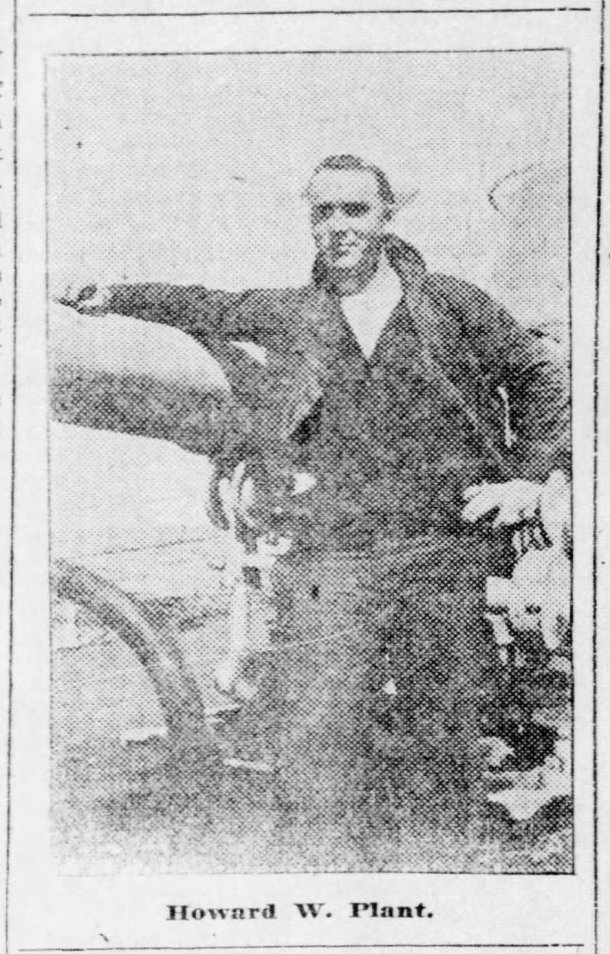
Ennis boarded the train the night of Monday, January 14. If he carried that day’s Free Press to his seat, he might have read the news about Howard William Plant, on page six. Plant grew up on Front Street in Burlington. He was just 16 when he enlisted, with his parents’ written consent; at 18 he went to war as a wireless telegraph operator aboard the navy destroyer Jacob Jones.
On December 6, 1917, the German submarine U-53 spotted the Jacob Jones crossing the Irish Sea after an escort mission to France, and hit the destroyer with two torpedoes. The first disabled the rudder, leaving the ship adrift, and the second hit the depth charges below deck, compounding the explosion. The destroyer sank within eight minutes, 66 men perished, and Howard William Plant was among the missing.
The German U-boat was reported to have taken aboard two wounded prisoners, and for weeks Plant’s parents held out hope that their son had survived. On January 14, the Free Press reprinted the letter the Navy’s bureau of navigation finally sent his mother, Agnes, notifying her that they were “reluctantly compelled to officially declare him dead.”
4. About Face
Fort Oglethorpe embodied the contradictions of American democracy. The camp was close to Georgia’s northern border, less than 10 miles from Tennessee, where men had served in both the Union and Confederate armies. It was built on the site of the battle of Chickamauga, one of the Union’s worst defeats in the Civil War, with 16,000 casualties. By 1918, more than 1,600 buildings sprawled across its 800 acres. One corner was a prison camp for 4,000 Germans, including many “enemy aliens,” German-American citizens detained under suspicion of disloyalty. Karl Muck, conductor of the Boston Symphony Orchestra, was imprisoned there for more than a year on the false charge that he had refused to perform the national anthem.

Camp Greenleaf, the portion of the camp for the Medical Reserve Corps, occupied a mound of dry earth in the middle of a swamp. It was built hastily in the summer of 1917, when the U.S. mobilized for war. The first doctors to train there slept in unfinished barracks, with roofs but no walls.
When Ennis arrived he received his uniform, his meal card, and a French/English dictionary with an emphasis on medical terms. He started his training — map reading, horseback riding, wound care — and settled into camp life, sleeping in one bunk in a long row, waking to the bugle call at dawn.
Ennis met doctors from across the country at Greenleaf, trading stories in the mess hall, discussing lectures on poison gas. Ennis cared about belonging to the right organizations, about public service and public status, and he believed in the cause. In camp there was powerful camaraderie, a shared sense of honor and the anticipation of the unknown. Within two weeks he had embraced his new role: Army doctor. He sent a telegram back to Burlington, permanently resigning his post as health officer.
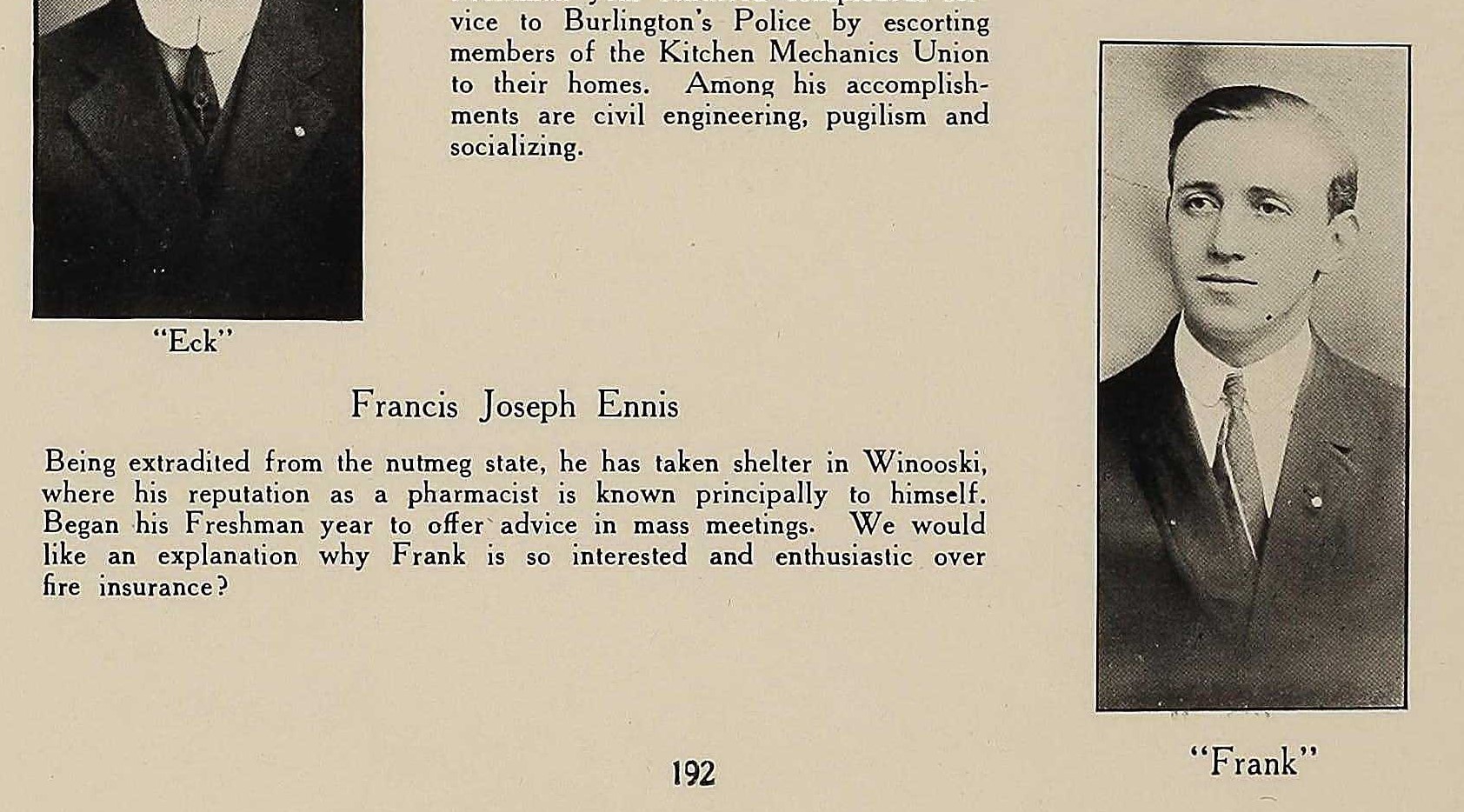
But it was not to be. The news came in another telegram from D.C. The prior summer, when he first enlisted in Vermont, Ennis had passed the physical exam, and when he arrived at Fort Oglethorpe he passed again, though the doctors noted that “his heart was not quite up to the standard.” He continued his training, but when the Surgeon General’s Department in Washington processed his papers, they deemed him unfit to serve.
He left Camp Greenleaf just as he and his cohort were about to learn their assignments. Ennis might have stayed in the U.S., serving at one of the military bases, but chances are he would have “gone across” to England and then to France. He might have treated civilians in the war-ravaged French countryside, worked in an Army hospital, or gone to the front. Instead he boarded a train back to Vermont.

5. The Unknown Soldier
In September 1917, William W. Washburn of Putney, Vermont, who graduated from Brattleboro High School and Dartmouth College, scored the highest marks the state board in San Francisco had seen in four years, obtaining his medical license in California. In the spring of 1918 he went to France with the medical reserve corps, commissioned a first lieutenant, like Ennis.
He sent a letter to his mother from “base hospital 30,” somewhere in France. The censors forbade him from naming its location. “Our landing was most impressive,” he wrote. “The old French people — the young ones are all at war — certainly did blossom out with a smile to see the husky American soldiers whom they regard more or less as their saviors.”
The papers were publishing many soldiers’ letters, and Washburn’s were typical: The young men writing home glossed over their hardships, and American forces still hadn’t seen much combat. Readers found more vivid horrors following Ennis through Burlington, certifying the deaths of a suffocated baby, a woman found asphyxiated by gas in her apartment, or Thomas Hojer, a Danish guest at the St. Paul Street House, who hanged himself, with the cord used to hold back the window curtains, from the head of the iron bed in his room.
In April 1918 Ennis toured the wreckage of the largest fire in Burlington’s history, at the Vermont Chocolate Factory, searching for the bodies of the two men who went missing in the initial explosion, with their brothers at his side. A few days later, after an excavator arrived from Boston to remove the tangled steel and timbers from the basement, he helped to identify the bodies.
On the morning of Tuesday, April 3o, workmen found a body floating at the south side of the drawbridge on the waterfront. It had clearly been in the lake for weeks, drowned, disappeared and adrift. Ennis could only guess at the age, the body was so badly decomposed — maybe 45 years old? Other details were easier to record: 5 foot 9 inches tall, dark hair, ring on the finger, knit cap on the head.
There were signs of poverty: the celluloid collar and necktie of the cheapest material, the thin cloth of the pants. There was the imitation gold pin on the coat, enameled in pea green, with the words “Lake Champlain.” Was it one of the workers for the ice crews across the lake in New York? A reporter noted the strangest detail: the corpse’s hand still clutched a pair of gloves, as in life.
Even in the cool weather, the body could not be left exposed to the air. No one claimed it for 48 hours, and on May 1 Ennis ordered its burial, in Lakeview Cemetery. No mourners attended.
Mrs. William Noonan lived in Bristol, 30 miles away. That Tuesday a neighbor came to her with a newspaper and read her the article about the unidentified body found floating by the drawbridge in Burlington. Mrs. Noonan recognized the description: the pin, the four-buckle shoes.
She had five sons. One was a railroad worker in Rhode Island, the youngest two were still in school, and one was serving with the Army in France. Her 19-year-old son Barry, who worked at a box factory in New Haven, had left home in February and hadn’t been seen again.
Mrs. Noonan traveled to Burlington, where Ennis granted her request for the body to be exhumed. After two days underground, it was again exposed, disinterred and laid beside its grave. Mrs. Noonan would not come near the body. Ennis stood over the corpse, describing it to her, while she stood at a distance, watching him. Finally she called to Ennis and asked about the last button on the overcoat, whether it was smaller than the rest. Ennis cut the button from the coat and brought it to her.
“That’s him,” she said. “That’s my boy.”
6. Officers’ Training
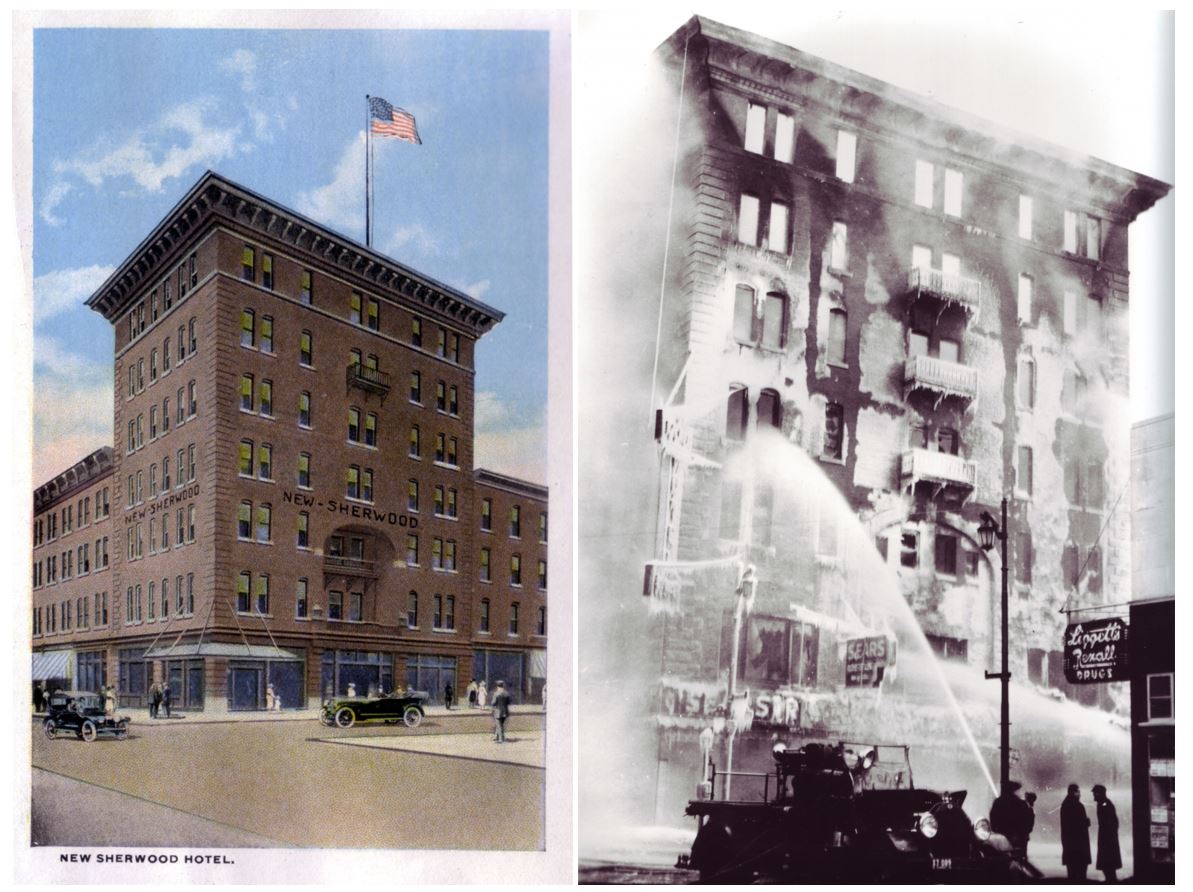
The New Sherwood Hotel was six years old and seven stories tall, an expression of Burlington’s aspirations. There was a restaurant and cigar stand, bell boys in uniform, the finest hardware on every door. Its grand hall hosted banquets for the Odd Fellows or Lady Maccabees, the occasional dog show, or a dance with a colored spotlight. On May 22, 1918, Frank Ennis and 200 colleagues gathered there for Vermont’s 19th annual School for Health Officers.
Most of them were not trained doctors, and the lectures over those three days covered the basics, down to “Duties and Powers of a Health Officer.” Ennis might have smiled, knowing what he knew of coal smoke and garbage, and then sitting to listen as the answers were laid out neatly in a lecture on “Nuisances and their Control.”
W.R. McFeeters of St. Albans, speaking about “Public Health Laws,” assured the crowd that “the law was with the health officer when it came to demanding anything within reason where the supposed rights of the individual interfered with the good of the many.”
But Ennis knew it was more complicated, especially when it came to what another lecture called the “management of epidemics.” The health officer’s only real tool was the quarantine, isolating those who were sick or had been exposed, and in his two years on the job Ennis had quarantined families for diphtheria, scarlet fever and polio. It was easier said than done: People bristled at any limit to their physical liberty.
Ennis had given a speech himself earlier that month at the opening of the Child Welfare Campaign in Burlington, on the topic of communicable diseases. “The question of the quarantine is a serious one from the vantage point of the health officer,” he had said. “When he goes to a house to quarantine, he meets all kinds of protests from all sides.”
One afternoon’s program closed with a “Health Play” put on by the children from the Champlain School about the “necessity for maintaining health and what to do when sickness comes.” Students acted out roles that suggest the prevailing wisdom of the time: Eggs, Milk, Darkness, Dirt; Dr. Talk, Doctor Sunshine and Nurse Fresh Air. Blanche Lajeunesse played the villain, “T.B.” (tuberculosis), while Willie Cota took the part of “General Condition.”
Ennis might have shifted in his seat when the president of the State Board of Health, Charles Caverly, discussed the importance of medical inspections in the schools, especially in light of the way the draft had exposed the nation’s poor health. Ennis was one of more than three million young men — almost 30% of those who registered for the draft — who were deemed unfit to serve.
President Caverly concluded his address with a warning: “War breeds pestilence.”
“The armies now fighting in Europe have made a remarkable record in dealing with the old infectious camp diseases,” he said. “It remains to be seen whether we can duplicate this record in civil life.”

7. At the Front
Frank Marino was 3 years old when his family emigrated from Italy in 1889. In 1916, in a fight at the Winooski woolen mills, a fellow mill worker bashed him over the head with an iron bar, fracturing his skull. Two years later he was at war in France. He wrote his wife, Alice, from the front, where he couldn’t sleep. “The guns were sure going to it,” he wrote,“the sky was a mass of flames and the earth just trembled.”
The next morning Marino’s unit was ordered to move, so they could feed their horses. “We traveled about 20 miles before we knew where we were and we soon found out that we were in No Man’s Land and we saw sights I hate to write about,” he wrote. “Rice and I were on a wagon and the shells were bursting about a hundred and fifty yards from us. I saw two horses fall near us and we sure were in a hurry.”
The Great War was grinding to a close, and the world would never be the same. “When we had just passed a good piece of road, a shell dropped behind us,” Marino wrote, “and that road was blown to pieces, and no one would ever know that it was a road.”
Frank McCale died on June 1, 1918, a Saturday, at 10 in the morning. He had suffered a heart attack several weeks earlier, and succumbed to a throat infection that developed into meningitis. His chapter of “the garbage question” had closed.
On September 17, Ennis’ mother-in-law, Bridget, died of stomach cancer at 57 years old. Anna’s sister Katherine came home from Billings, Montana, to be with the family.
A week later, on September 23, Ennis weighed in on the latest school debate, over the costs of heating classrooms. “Children at home are more or less active and are not obliged to sit still in a seat,” he said. “I cannot agree with the superintendent that a temperature of 60 to 63 degrees is warm enough for children to be comfortable.”
That same day, at 452 North Ave., a funeral was held for Francis Zeno, a soldier who had died of “the grippe” at Camp Devens in Massachusetts. His mother, Addie, had traveled to see him as he was dying and brought the body home. Two days later, she and three other family members had a fever.
The “Spanish Influenza” had arrived in Burlington. Ennis asked the family to quarantine. He put up a paper notice, a placard, on their door.
In the next few days, the influenza swept over Vermont. In Barre, the hospitals were overwhelmed. Burlington was mostly spared, but there were seven cases recorded in the civilian population, and 65 among the trainees in the mechanical school at UVM.
On September 27, the Board of Health called an emergency meeting. Ennis wrote out their special motion, ordering “churches, schools and all places of public entertainment closed.”
He faced the first real test of his authority two days later. The Liberty Loan Committee had a march planned for Monday, and now it was in violation of Ennis’ order. He notified the committee that the parade would have to be postponed, but it demanded to meet with him. The papers made it sound like a compromise (“after conference and explaining the nature of this parade, the order was modified”) but the truth was more simple. The war trumped every other concern, and Ennis had given in.
The next morning a crowd massed in front of the medical college. They carried signs with slogans — “For what he is and all he dares, remember him to-day” — and marched to a brass band down to City Hall Park. Then they fanned out across the city, knocking on doors, entering houses, selling war bonds. The day was “the biggest yet in showing how Burlington stood on the question of supporting the war.”
That Tuesday, Burlington had still reported only 20 cases and no deaths. On Wednesday, the city’s physicians reported 50 new cases and two deaths.
By the end of the week, the state had issued its own ban on public gatherings, but the headlines from the war were exhilarating (“Allies smash on from Verdun to the Sea”) and no one wanted to hear bad news. The situation in Burlington was “very encouraging,” Ennis told a reporter. “If the weather clears up, more improvement will be noted, without doubt.”
The next week was the “crest of the wave” in Vermont. Charles Caverly, president of the state Board of Health, fell ill and died three days later. B.A. Chapman, the health officer for Springfield, resigned, overwhelmed after the influenza killed 43 people in his city in eight days. Then, abruptly, the picture improved. Cases fell around the state. The influenza seemed to be passing away.
But in Burlington the numbers gradually increased. Ennis discouraged all visiting from house to house, especially to see the sick, “whether they are placarded or not.”
The message was not getting through. “In the last analysis, it is largely a personal matter, this precaution,” wrote a reporter for the Daily News. “The placards placed on the houses where there are victims of influenza do not quarantine the house the same way as contagious diseases, but the card is simply a warning that if one goes into the house it is at his own risk.”

8. No Man’s Land
There have always been some gaps in Vermonters’ preferred narrative of the state’s history. The simple agrarian democracy of town meeting may have been true at the local level, but in 1918 Vermont’s state government was more like the rest of the country, dominated for decades by an elite clique of well-connected industrialists known as the Proctor Machine. Vermont’s government grew rapidly in those years, building roads for automobiles, operating the new state hospitals, etc. And as in other states, as more tax money flowed through officials’ hands, there was corruption.
That fall, while the influenza ravaged the state, a grand jury was investigating Governor Horace Graham, known as “Honest Horace,” for embezzling around $25,000 of taxpayer dollars (over $600,000 today) from the state’s coffers during his years as state auditor. Even after he was indicted, Graham ignored calls for his resignation. He stiff-armed the press, performing his normal duties as though nothing was amiss through the end of his term that winter. He was finally convicted more than a year later, in February 1920, but he never served any time, and his scandal was largely erased from the state’s popular history.
The pandemic exposed both the strength and the weakness of Vermont’s proud tradition of local control. Neighbors rallied to support each other. There were relief efforts by the local churches, schools and clubs, and local chapters of national organizations, like the Red Cross and Boy Scouts. But in terms of the public health response, local control led to inconsistency and confusion.
On October 4, Charles F. Dalton, secretary of the state Board of Health, sent a telegram to Vermont’s 247 towns and cities announcing a statewide ban on public gatherings. It had the appearance of a coherent strategy, but the Barre Times noted that “in the interpretation of the order, much has been left to the local health boards.”
Vermont’s health officers were on their own to determine and enforce their towns’ specific policies, facing an adversary they did not understand and could not control. They were familiar with influenza, but never understood it as a virus. The disease they called the “Spanish Flu” was a novel coronavirus with a fatality rate thought to have been around 2%; Barre came close to this rate for its entire population: 177 of the city’s 10,000 residents died.
Even amidst such suffering, just as the wave began to subside, Barre’s city council opened the city’s saloons and soda fountains, violating the state’s ban on public gatherings and infuriating religious leaders, whose churches, like the schools, remained closed. Barre’s health officer, Dr. O.G. Stickney, was accused of siding with the ministers because of his “prejudice against ardent spirits.” The politics of the pandemic did not operate in a vacuum; they were distorted by the war, and by Vermonters’ consuming interest in another question of local control, the prohibition of alcohol.
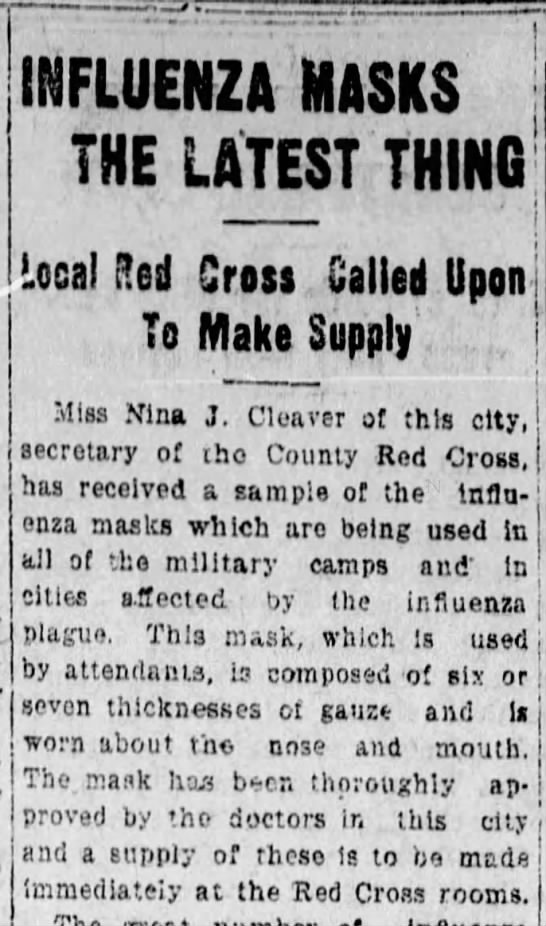
Some towns took more drastic measures. Morrisville’s health officer, Dr. W.T. Slayton, imposed a strict “embargo on travel” to and from communities where the flu was rampant. The newspapers followed Slayton’s exploits like he was a frontier sheriff. On Saturday, October 12, he intercepted a pair of Italians as they came into town and gave them the “choice of going to the county jail or leaving for Barre immediately.” They paid $10 for a taxi home.
In Burlington, where the emergency was slower to materialize, Ennis never enjoyed such authority. He worked around the clock, exhausted, conferring with the other doctors, trying to keep track of the cases as they multiplied. By Monday, Oct 21, the virus was rampant in the city. Ennis reported 300 cases from over the weekend, and warned that this would be Burlington’s “hardest week.”
Patients filled the emergency hospitals at the Ethan Allen Club and the high school, and still Ennis saw people visiting their neighbors, entering each other’s homes. A reporter captured his exasperation: “People will not obey that order, says Dr. Ennis, and in consequence we have many additional cases to handle.”
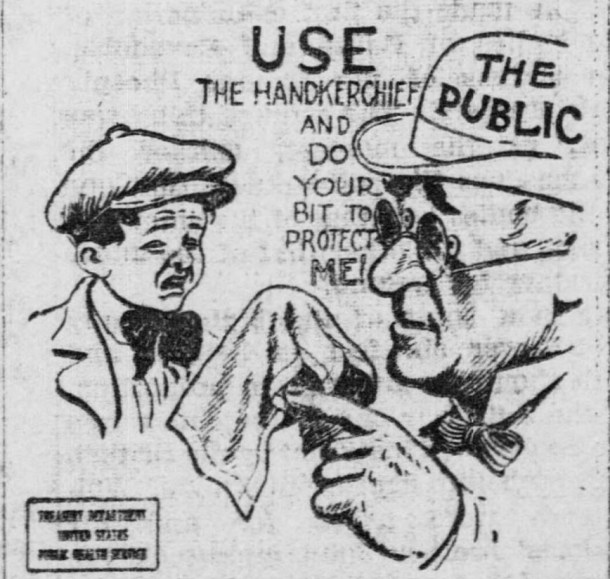
There were 56 new cases reported that day, and 64 the next. But those weren’t the true numbers. The city’s doctors hadn’t changed clothes or slept for days. Many were too exhausted, or ill themselves, to file their report. That Saturday there were eight deaths in 24 hours.
On Wednesday, October 23, one of Ennis’ compatriots, Dr. Frederick Baylies, died abruptly. For a week he’d been visiting as many as 100 patients a day. His death was attributed to “over-exertion in the fight against influenza.”
That same afternoon, Ennis’ old friend Dr. Daniel Shea took him aside. Ennis had developed a fever a couple of days earlier, but he had continued working, even as his condition steadily worsened. Other doctors were concerned, but it was Shea, chair of the Board of Health, who ordered Ennis to bed, discharging him from duty. The initial press was optimistic — “It is not thought he has influenza, however, but was ordered confined as a precautionary measure” — but Ennis knew the nightmare he faced, the progression into pneumonia, his lungs filling with fluid.
After weeks keeping impossible hours, Ennis went home to the house on South Union Street, to Anna, who was already mourning the loss of her mother. They shared his last four days there together. Dr. Shea would stop in, trying to keep him comfortable, but mostly he was alone with Anna as he fought for his life. By Saturday, the Daily News update read like a eulogy. “Dr. Ennis has been indefatigable in looking out for the interests of the public in this epidemic and did not spare himself at all in the work which it was necessary to do,” the reporter wrote. “His condition this afternoon was considered critical.”
Ennis died that Sunday, Oct. 27, at 5:30 p.m., a few days before the state lifted its ban on public gatherings. The next morning, though physicians believed the number of cases had dropped significantly over the weekend, there was no official count. There was no one to report the numbers.
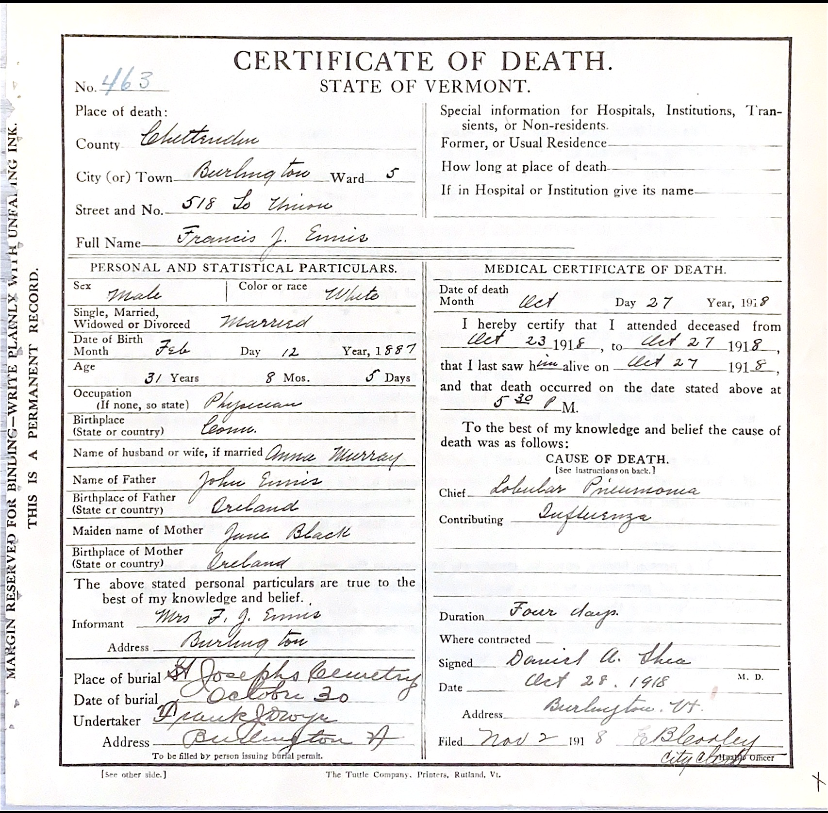
The obituaries all listed Ennis’ accomplishments, and mentioned how well-suited he was for his role as health officer, but the Daily News went further, offering a tribute. “Dr. Ennis made a brave fight for life, and but for a weak heart, might possibly have pulled through safely,” the obituary read. “His strenuous work incident to his office necessitated exposure to the disease many times, and the conscientious fulfillment of these duties in the face of frequent warnings of failing strength, made him a martyr to the cause.”
In a few short weeks Anna had lost both her mother and husband. She spent the next month arranging her affairs, listing her piano and “household goods” for sale, then putting up the house on South Union Street for rent — $20 a month, with stoves and floor coverings included. She left Burlington with her sister Katherine for Billings, Montana.


9. Improper Burial
On November 11, the war ended. Burlington took a half-day: The schools and shops were closed, and everyone massed downtown for the victory parade. Members of the United War Drive committee borrowed the American flag from the high school and carried it stretched out flat between them along the parade route. The crowd threw more than $40 in change onto the flag as it passed.
The war was a victory to commemorate, even if the peace, signed the next summer at Versailles, proved shortlived. The pandemic was a defeat best forgotten, even before it was over.
That same day in Burlington, a 4-year-old girl died from influenza, more than a week after the state lifted its ban on public gatherings, and 68 more of the city’s residents would die in the pandemic before the end of the year.
In the end, around 2,000 Vermonters died in the pandemic, while 629 died in the war. The markets gave an unflinching measure of the costs. In January 1919, Fred Howland, president of National Life Insurance Co., reported that the company paid out 84 death claims from the war, totaling $192,919.22, and 318 death claims from influenza, totaling $660,789.91.
Frank Ennis was one of 185 Burlington residents who perished from influenza in the last three months of 1918. Many were teenagers, children and babies, some unborn. A few were elderly. But most were like Ennis, men and women between 20 and 50 years old, in the prime of their lives. Each of these victims left a void, in a family, a workplace, a neighborhood.

The proportions of the tragedy varied from town to town. Some communities were largely spared; Barre lost almost as many people as Burlington, in a city half the size.
The day after the victory parades, Barre’s health officer, Dr. O.G. Stickney, stood beside an open grave in a quiet corner of St. Monica’s Cemetery, on Beckley Hill. The corpse was that of a young woman who had succumbed to influenza at the peak of Barre’s crisis, and was buried quickly. Five days later, when her husband also died, her family asked that her body be moved to rest beside him, in his family’s plot.
The woman’s family requested she be disinterred when, visiting her grave, they noticed the discarded cover of a burial box in the weeds with her name scrawled across it. In Barre’s worst weeks that fall, the cemeteries struggled to keep up with the bodies. There had been no permit for the woman’s second burial, and a former sexton was hired to move her remains. Stickney, as health officer, bore witness as the body was exhumed.
Only 16 inches of earth covered her casket. As it came into view, Stickney saw it was tipped at a sharp angle. A stone had caved in its cover, and one of its sides had broken open. A sexton’s helper told him the grave was nearly full of water when she was buried. Her remains, having soaked for a month, were in an “unmentionable condition.”
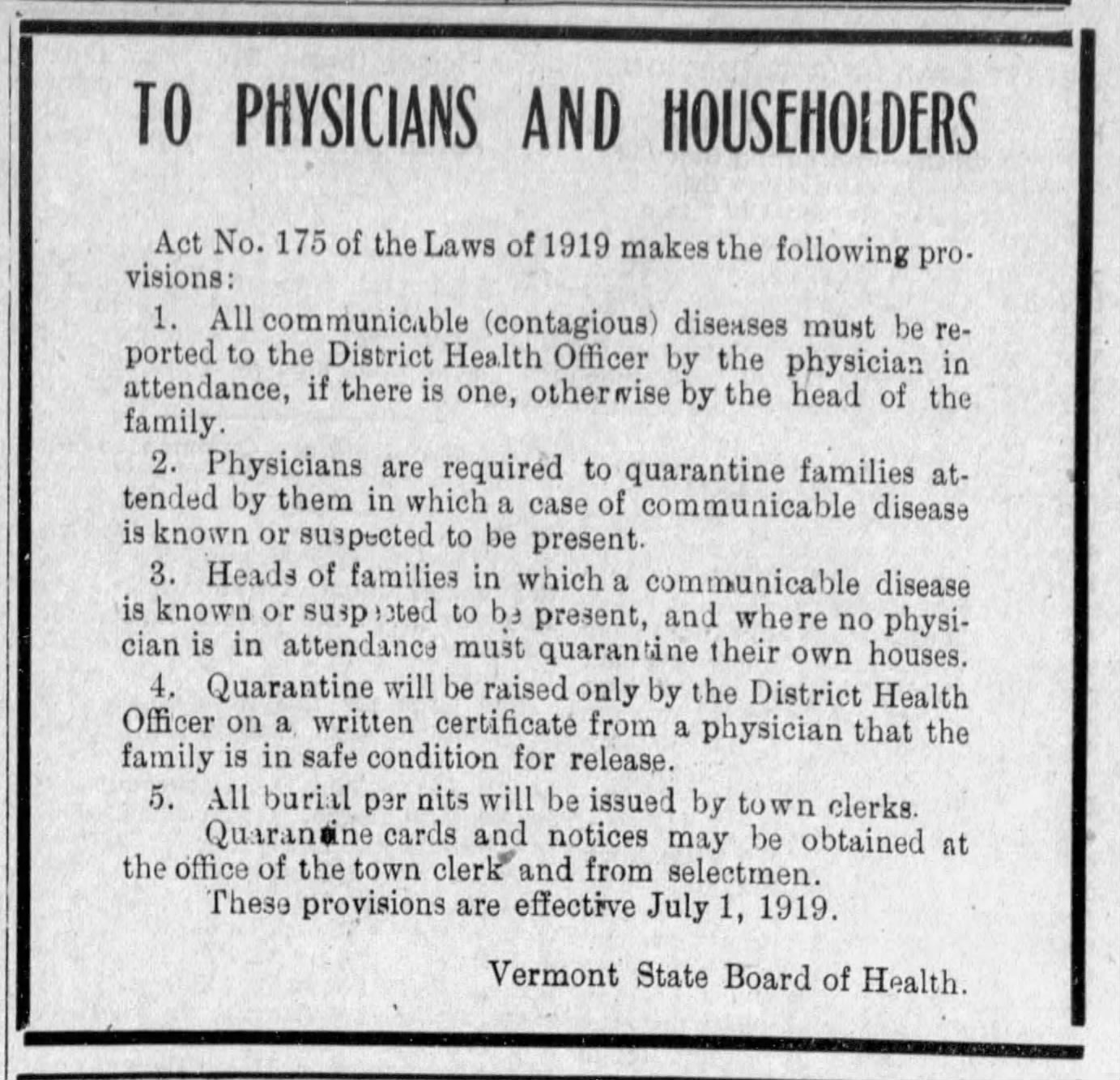
Vermonters were eager to put the pandemic behind them, but those with the closest view of the disaster knew it had overwhelmed Vermont’s public health infrastructure. The next spring in the state Legislature, Charles F. Dalton, secretary of the state Board of Health, advocated a new approach, replacing the town health officers with a more centralized system of 10 district health officers, all trained doctors, paid by the state. Larger towns could opt to maintain their own health officer, but the smaller towns fell under consolidated, regional control. There was considerable opposition, but the bill passed.
In his testimony, Dalton told the lawmakers that the old system was breaking down. “It has come to the point,” he said, “where the health officer is the most hated man in town, because of the things he has to do.”
10. Epitaph
Four years is a long time in politics. In 1923, one of Vermont’s newly sworn-in state representatives, from Craftsbury, was the disgraced former governor Horace Graham, whose crimes had been mostly forgotten. Three women were also seated, three years after finally receiving the right to vote.
In that same session, the Legislature abolished the district health officer system. Back in 1919, when the trauma of the pandemic was fresh, Charles Dalton had been able to win votes for a progressive law, surrendering local control to the state government and investing in a more professionalized system of public health. Now his opponents portrayed the district health officers as distant and ineffectual, performing “swivel chair jobs.” Among other shortcomings, they said, the system had failed to enforce quarantines.
In his testimony, Dalton reminded the lawmakers that quarantines present a challenge for any system. “Human nature is not changed by law,” he said, “and there are always a certain few who seek to avoid restraint.” But his arguments went unheeded. The state reverted to the old system of local control, with a health officer for each town.

1923 was also the year Anna remarried. Her time in Montana seems to have restored her spirit. She returned to Burlington, wed William Murphy, a foreman at the screen factory in Winooski, and became something of a small-city socialite, hosting bridge games and meetings of the Friendly Home-Makers. She enjoyed some luxuries in this second life, traveling with William to Nova Scotia and flying with Amelia Earhart when she visited Burlington in 1934. She never had children, and died of pneumonia in 1938, at 51. At the Friendly Home-Makers’ next meeting, after a “demonstration agent” led the group through a presentation on “one-dish meals,” they sang “There’s a Gold Mine in the Sky” in her memory.
Anna was buried in St. Joseph’s Cemetery, at the crest of the hill overlooking Burlington’s Old North End. She lies in her husband William’s family plot, her name inscribed under his parents’ on the Murphy family monument. Frank McCale’s gravestone is nearby. While most of the lettering in St. Joseph’s is engraved into the stone, his name is artfully carved in granite relief.
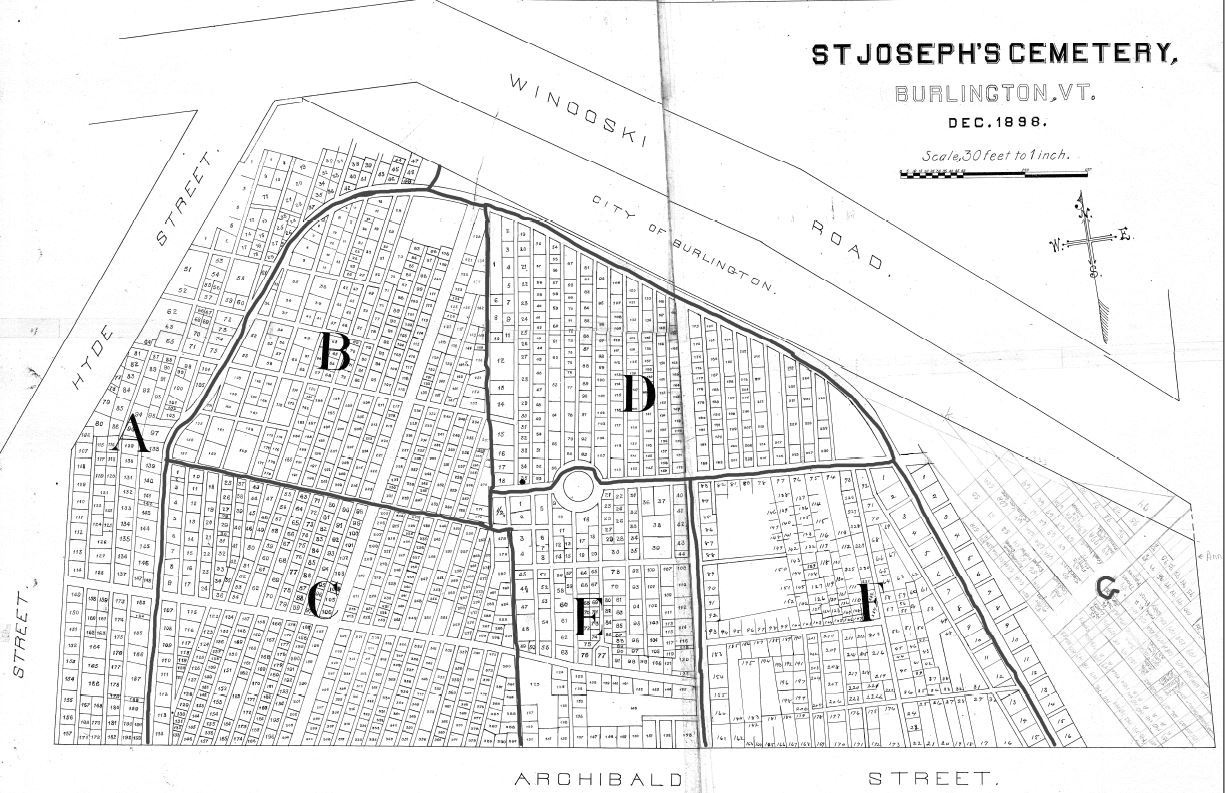
St. Joseph’s was the burial ground for Burlington’s Catholic community. These were families who knew each other, neighbors, resting in rows under the grass. Close to the top of the hill are William and Agnes Plant, the parents of Howard William Plant, the first Burlington boy to die in the war, when he was 18. Nearby, marked by a fresh American flag, is Leo C. Flynn, who served in the army in World War I, worked as a postman in Burlington for 43 years, and died in 1987.
The stones from 1918 mark many lives cut short by influenza. Frank Ennis was buried at St. Joseph’s on the same day as three other victims of the pandemic: William Dupuis and Wilfred Duell, both 14 years old, and Florence Langlois, 18, who left behind a husband and infant son. Just a few yards from Ennis lies another health officer, Vincent H. Coffee, who graduated UVM’s medical school the year before Ennis and was one of two doctors in the town of Orwell who fell to the influenza in the first brutal week of that October.
Ennis’ grave lies close to the north-facing brow of the hill, looking across the river to Winooski, where he worked as a druggist through medical school. He shares a stone with Anna’s mother, Bridget, his name engraved below hers. He died just a month after she did, and the pandemic had caused a backlog of orders for gravestones. Anna must have made the call to add his name.
It’s a plain stone of polished granite, with a cross and flowers at the top, and no epitaph. We can’t know the verse he might have chosen, but among the stirring words of his time a few seem fitting. He may have read them himself, looking on at the Liberty Loan Parade, marching in defiance of his order:
“For what he is, and all he dares, remember him to-day.”

