

The Burlington City Council on Monday night unanimously denied an appeal by CityPlace developers to waive a more than $71,000 fee.
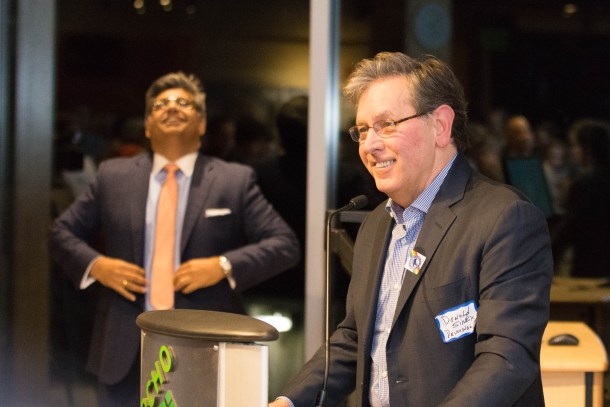
Don Sinex, one of the key developers behind the long-stalled CityPlace project, asked councilors to waive his 49 Church St. property’s downtown marketplace common area fees for 2021-22. The property consists of the Burlington Town Center Mall — or what’s left of it. In his letter, Sinex said it currently has just one tenant.
All businesses in the Church Street Marketplace District are required to pay a fee per square footage of a business’ ground floor to contribute to the upkeep of Burlington’s downtown public areas. The cost for fiscal year 2022 is $2.87 per square foot. This fee was waived for the duration of the pandemic to ease financial burdens brought on by Covid-19.
But the city is again assessing the fee as pandemic restrictions end, Covid-19 cases are down and businesses reopen. The council unanimously approved its reinstatement Monday evening.
Sinex argued in a letter sent to city councilors that his property had already lost $1 million in 2021 and that he’s still obligated to pay real estate taxes despite financial hardships brought on by the pandemic.
“The Covid and related stay at home orders by the Governor finished off every tenant in the old mall leaving only Starbucks operating and the only tenant paying rent,” Sinex wrote.
Kara Alnasrawi, executive director of the Church Street Marketplace, said the mall property would be obligated to pay $71,531 in common area fees over four quarters for 2021-22.
Sinex’s concerns were reinforced at Monday night’s meeting by William Fellows, a senior project manager with CityPlace Burlington.
“The damage that COVID has done to the mall is quite serious, and it’s going to take a lot of time for us to get out of it,” Fellows said. “Therefore, we’re looking for some assistance.”
But councilors were not sympathetic.
Councilor Joan Shannon, D-South District, told Fellows that his financial burden was not unique. Every business in Burlington was hit hard by the pandemic, she said, and granting his business a break would be unfair to others.
“There’s no basis, or even argument, that their situation is unique in any way. Covid affects everybody,” Shannon said. “While I’m sympathetic, I will not be supporting this.”
Councilor Ali Dieng, I-Ward 7, recommended Fellows take up his case with another city board to go over his abatement options or set up a payment plan for the fee if the mall owners could not pay.
Next year’s budget
Also at Monday night’s meeting, Burlington Mayor Miro Weinberger outlined his administration’s proposed fiscal year 2022 budget. The council delayed action on it until a June 28 meeting.
In Weinberger’s summary of the budget, the details of which have been posted to the city’s website, he noted that the final proposal includes only about $10 million in aid from the federal Covid-19 American Rescue Plan Act.
He had originally proposed using $15 million of the $27 million the city expects to receive, but because guidelines governing how municipalities may spend the money haven’t been entirely clarified by the federal government, Weinberger said it would be wise to hold back.
“We have made this cut, not because we really want to,” Weinberger said, “but because we believe it’s the prudent thing to do given where we’re at in understanding our financial projections and the limitations and kind of strings — if you will — attached to ARPA.”
The city will still be able to restore its 2022 budget to pre-pandemic spending levels and make new investments in Racial Equity, Inclusion and Belonging Department staffing and environmental improvements, such as the addition of an electric bucket truck to the city’s fleet. He said the city won’t be able to pursue all its infrastructure needs, but it will be able to improve more sidewalks and the bike path.
The mayor has also proposed setting a $0.6704 municipal tax rate, down from $0.9002 in 2021. The decrease is in line with the mayor’s promise that the tax rate would decrease to equalize rising property valuations, which left some residents scrambling when they received new and higher-than-anticipated property reappraisals this April. The city’s charter dictates that property taxes remain revenue neutral, which required a lower tax rate.
A return to in-person meetings
The council also discussed how it would begin transitioning back to in-person meetings after holding only virtual, remote meetings for the duration of the Covid-19 pandemic.
Gov. Phil Scott’s announcement Monday that the state of emergency will cease Tuesday forces public governing bodies to discontinue virtual meetings and meet in person again, in accordance with open meeting law.
Chief Administrative Officer Katherine Schad laid out a plan that leads to a gradual reopening to fully in-person meetings to offer the city’s IT team more time to continue delivering virtual access. Almost all councilors who spoke about the plan said they want to continue offering virtual access to City Council meetings even when they’re held in person in order to promote accessibility.
At first, she said, the city will need to make a public space available for members of the public to gather to watch City Council meetings to adhere to open meeting laws while councilors continue to tune in virtually. Once more resources are in place, she said, councilors will be able to attend in person.
Most councilors agreed that virtual public comment would continue to be accepted but that those who come to meetings in person would have first priority.
“I think there’s definitely been a lot of benefits to the remote meetings in terms of accessibility,” said Councilor Jack Hanson, P-East District. “My preference would definitely be to allow people to continue to participate remotely, whether that’s presenters, councilors or members of the public.”

