

Vermont will continue to offer financial reimbursements to people who move to Vermont for a job and will boost benefits for unemployed workers.
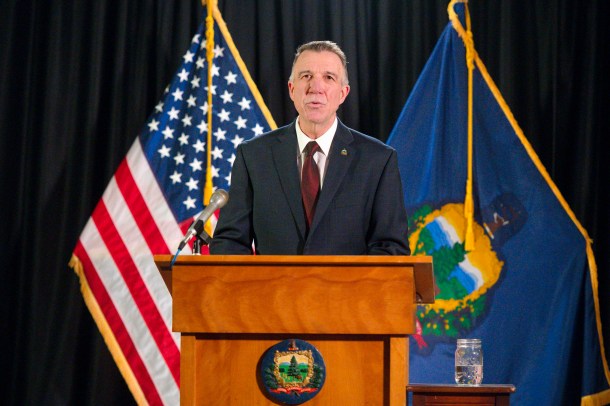
The legislation was signed late Tuesday by Gov. Phil Scott.
The bill, S.62, extends a workforce development incentive program that has received widespread recognition and has also been criticized as an ineffective and wasteful marketing ploy. The legislation signed by the governor Tuesday includes $630,000 to attract people to the state but calls for a study to see if the program actually accomplishes its goal.
Vermont received national attention in 2018 after Scott offered $10,000 to anyone who wanted to move to the state and work remotely. When businesses said they needed even more help finding workers, that program was expanded to anyone who moves to the state for a job.
In 2019, the first year of the program, the state gave out $500,000 to 140 workers, according to a 2020 report from the Agency of Commerce and Community Development. The average grant was $3,571.
Later that year, State Auditor Doug Hoffer questioned the value of the program, saying that it benefited only people who were already moving to the state.
The legislation Scott signed Tuesday offers grants of up to $5,000 to those who relocate to the state for a job. New residents from areas with high unemployment rates or low wages could receive up to $7,500. Grants will be available on a first-come, first-served basis starting July 1.
The legislation also increases benefits for unemployed workers by $25 per week.
The extra money comes from an unemployment insurance tax hike on businesses that will bring in $100 million in coming years. The additional $25 will kick in this October — 30 days after the federal government’s expanded $300-a-week unemployment benefits expire.
The current maximum weekly unemployment benefit is $531.
In a statement, Senate Minority Leader Randy Brock, R-Franklin, wrote Wednesday that he and his caucus were disappointed with the proposal and believes Democrats failed to tackle other issues with the unemployment system.
“Instead of taking a hard look at our unemployment insurance system, the legislative majority effectively added a $100 million UI tax hike on Vermont’s businesses,” Brock wrote. “They rejected common-sense measures to recover millions in improper payments and to penalize UI fraud.”
However, the bill does look to deal with potential hikes in unemployment insurance taxes on businesses, the result of the increased demand for benefits during the Covid-19 pandemic.
Instead of delaying tax increases, which had been an early idea to give some relief to businesses, S.62 mandates that the 2020 year will not be included in the calculation process used to determine unemployment insurance tax rate schedules. It’s estimated this could save businesses about $400 million.
These two policy proposals — additional unemployment benefits and possible tax hikes — prompted a contentious debate in the Statehouse, with businesses upset about additional taxes and advocates saying laid-off workers need more support.
The House and the Senate finally agreed on the S.62 compromise, which gives additional benefits to unemployed workers while making sure businesses are not on the hook to replenish the state’s unemployment insurance trust fund based on pandemic-era demand.
“I view it as tax relief going forward for employers,” Senate Majority Leader Alison Clarkson, D-Windsor, told reporters Wednesday. “We are going to then work through our work of figuring out what the right size for the unemployment insurance trust fund actually is.”

