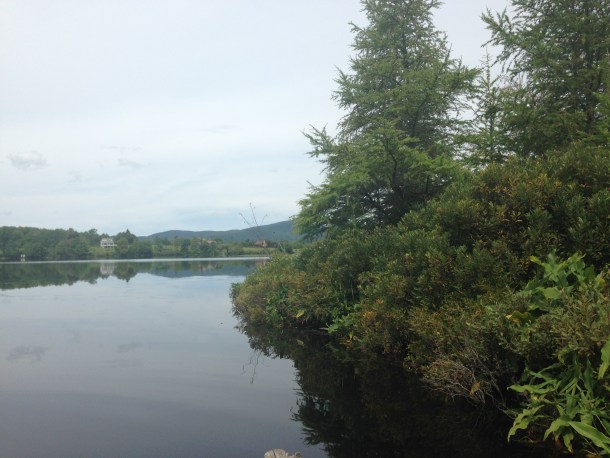
The Department of Environmental Conservation has issued a $5,250 fine to a couple and their contractor who removed vegetation along 200 feet of shoreline of Lake Sadawga in Whitingham.
Lake Sadawga, measuring 194 acres, is protected by Vermont’s Shoreland Protection Act, which became law in 2014. The act applies to any public water body greater than 10 acres. As part of the penalty, the landowners must also restore the vegetation that was removed, which totalled a 4,800-square-foot area.
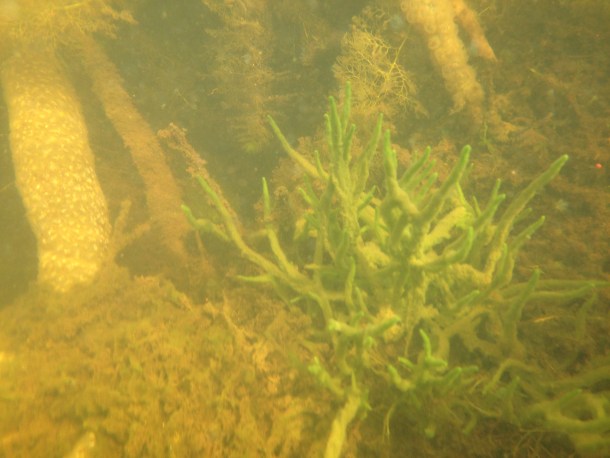
The lake hosts critical vegetation, including a floating bog that’s considered a significant wetland. Shoreline vegetation creates a buffer that protects water quality and habitat from phosphorus pollution and sediment runoff, often caused by “lawn-to-lake” development, according to the department.
Laura Dlugolecki, who handles permitting for the Vermont Lakes and Ponds Program, said the hefty charge was appropriate because the Shoreland Protection Act has existed long enough for landowners to understand the rules.
“The landowners hired a contractor to remove all that vegetation to improve their view,” she said. “That is the kind of activity that the Shoreline Protection Act was designed to prevent.”
Neither the contractor, Douglas Dix, nor the couple could be reached for comment.
The couple is not the first party to face a four-digit fine due to removal of vegetation on Lake Sadawga. Last summer, the DEC issued a $4,000 fine to another landowner and contractor for removing more than 5,900 square feet of vegetation within 25 feet of the shoreline and an additional 10,000 square feet within 250 feet of the shoreline.
The Shoreline Protection Act restricts shoreline development to help manage the quality of native and natural ecosystems and protect the natural stability of shorelines. It requires landowners who plan to build structures, create impervious surfaces like roads or parking lots, remove vegetation within 250 feet of a public lake to get a permit.
Dlugolecki said the department offers certification classes for contractors and engineers who work closely with shorelines to prevent accidental removal of shoreline plants.
“The Shoreline Protection Act is designed to protect water quality and fish and wildlife habitat in the protected shoreland area, which is all the land within 250 feet from the shoreline,” Dlugolecki said. “But it’s also supposed to protect the economic and recreational resources of public water bodies.”
She said landowners often see neighbors with lawns that extend to the lake and wonder why different rules apply.
Across the state, nearly 1,500 miles of shoreline exists along water bodies that now qualify under the Shoreline Protection Act, but 45% of it had already been developed when the Act was passed — and in a way that degrades water quality and habitat, according to a release from the Department of Environmental Conservation.
“When the Shoreline Protection Act passed, it took a snapshot in time of the landscape,” she said. “If you had an existing house really close to the water, you could keep that house. If you have a lawn in certain places, you can keep that lawn. But the law protected any remaining vegetation in that area, and you would require authorization in order to remove it.”