

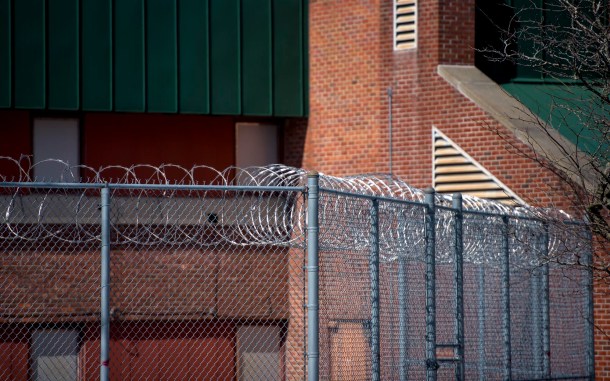
More than a year after allegations emerged of sexual misconduct at the Chittenden Regional Correctional Facility, Vermont lawmakers are beginning to consider reforms to the South Burlington women’s prison.
The House Committee on Corrections and Institutions heard testimony Thursday from attorneys at Downs Rachlin Martin, which was hired by the state in December 2019 to investigate allegations of abuse first reported by Seven Days. In a 60-page report released last month, the firm largely corroborated the reporting and proposed a litany of changes to the facility and the Department of Corrections.
Lawmakers and corrections officials said Thursday that they were committed to seeing those recommendations through — but their plan of action remains vague.
“We’re right now in a little bit of a holding pattern to see what the governor puts in his budgets,” the committee’s chair, Rep. Alice Emmons, D-Springfield, told VTDigger later Thursday. She added, though, that she believes there is momentum behind the proposals.
The Downs Rachlin report documented a “disturbing” number of allegations of sexual misconduct by officers at the facility, targeting inmates and fellow staff members. The recommended reforms included requiring correctional officers to wear body cameras and subjecting them to random drug tests.
In his testimony before the committee on Thursday, interim Corrections Commissioner Jim Baker was adamant that change was on the horizon. “The secretary and I are taking this report very seriously,” he said, referring to Secretary of Human Services Mike Smith. “We do have a plan to address this.”
That plan, Baker added, was “in its very early stages.”
Baker has served as interim commissioner since December 2019, when his predecessor, Mike Touchette, resigned over the scandal.
Baker told lawmakers that he had charged Bill Soule, district manager of the Hartford probation and parole office, with implementing the report’s recommendations. The commissioner said he also planned to create an internal investigative unit within the Department of Corrections to evaluate procedures in cases of alleged misconduct.
For some of the recommended reforms, however, the price tag could be high.
Body cameras, for instance, are expensive. “You can’t do anything until you have the money to purchase them,” Emmons said in the interview. Another recommendation was to hire a director of women’s services in the prison — a position that was eliminated several years ago due to budget constraints.
And then there’s the question of the building itself. Women at Chittenden Regional are incarcerated in a 50-year-old building rife with sanitation issues. Jennifer McDonald, a Downs Rachlin Martin partner who helped lead the investigation, called conditions at the facility when she visited “shocking.”

The report concluded that a new facility is needed, echoing calls previously made by state legislators, advocacy groups and Chittenden County State’s Attorney Sarah George. Baker said Thursday that the Scott administration also supported such a move.
The road to a new women’s prison, however, is likely long. The state is currently engaged in a feasibility study to look at potential designs for a new facility, which could also replace other state prisons. Whether — and when — plans could move forward remains uncertain.
Other reforms would have to wind their way through the Legislature before they could be implemented. For example, Downs Rachlin recommended strengthening state law to ban Corrections staffers from having sexual relationships with those on furlough or parole. Currently, they are only barred from relationships with those they immediately supervise.
According to Emmons, that change might fall under the purview of the House Judiciary Committee.
“Right now, we’re just really digesting the report and the recommendations,” she said, adding that she hoped future steps would become more clear with guidance from the administration.
“There’s a lot to process and take in,” Emmons said.

