

VTDigger is posting regular updates on the coronavirus in Vermont on this page. You can also subscribe here for regular email updates on the coronavirus. If you have any questions, thoughts or updates on how Vermont is responding to COVID-19, contact us at coronavirus@vtdigger.org
Older Vermonters and those with health conditions are considered to be at higher risk for complications from the virus, so many are remaining at home for their safety. But that means they can’t go out to the supermarket to pick up meals.
The local Meals on Wheels program in Rutland and Bennington County has seen a 40%-50% increase in new signups in the last week, said Courtney Anderson, nutrition director of the Southwestern Vermont Council on Aging.
That demand hits them at a time when volunteers are pulling out, fearing for their own health or being forced to quit because of their organization’s policies, she said. They are seeking new volunteers to handle their load.
In Bennington County, they’ve had to reduce their deliveries to only once a week because of the workforce shortage and to protect their volunteers.
“On other days, we’re calling in and checking on people to make sure they’re OK,” Anderson said.
Local senior service organizations are also pivoting to close meal sites and provide to-go boxes or deliver meals instead, said Janet Hunt, executive director of the Vermont Association of Area Agencies on Aging.
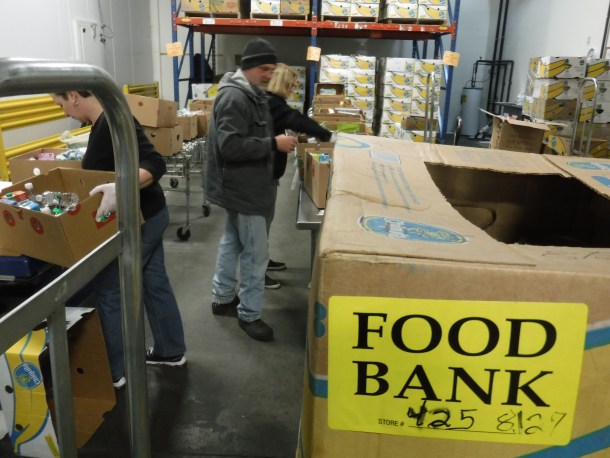
The Vermont Foodbank has seen a massive uptick in interest in several of its programs, particularly its to-go options, said Nicole Whalen, director of communications, in an email.
“We have heard from our partner food shelves and meal sites that they are seeing a significant increase in the number of people coming in for help and looking to access to-go food,” she said. “Some are reporting numbers doubling in the past week.”
Its drive-thru VeggieVanGo produce pickup Thursday had 400 families come to grab food, compared to 200 on a normal day. Another on Friday had 650 families compared to 400 normally.
Feeding Chittenden, which normally delivers to 140 veterans and homebound customers each week, has also been fielding about a dozen emergency phone calls a day from people who can’t leave their house, said Anna McMahon, the community engagement manager.
“We’re hoping to partner with the VA to take some of the stress away,” she said.
[For more on how to donate or volunteer, visit our guide on how you can help during the coronavirus outbreak.]
COVID-19’s social distancing needs have made it harder to run their daily deliveries, she said. They can’t have more than four volunteers at a time to pack premade food boxes. Some of their volunteers were themselves at risk and have had to step back.
There’s been an “outpouring of support” from the community, she said. For those looking to help, McMahon and Whalen agree: Give cash.
“We have a better idea of what we need,” McMahon said. “We can use those donations and buy things like fresh produce and prepared meals for people who can’t prepare food.”
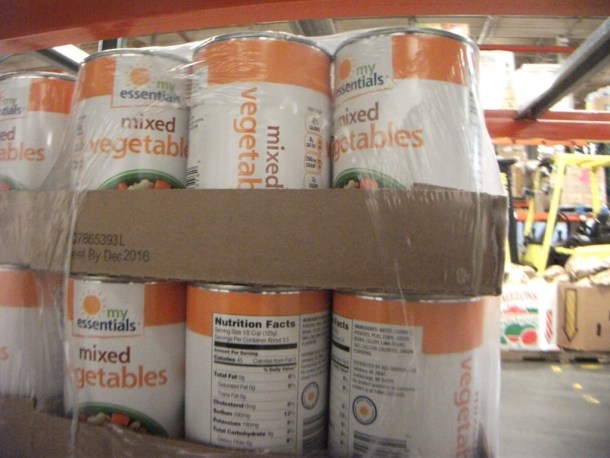
On a more informal level, a number of Mutual Aid organizations have cropped up for neighbors to help grab groceries for their higher-risk neighbors. People are coordinating pickups through Front Porch Forum and Facebook.
At Capstone Community Action, Elizabeth Scharf said they are piloting a program in Middlesex based on the model of “Neighbor to Neighbor” that would create neighborhood captains to coordinate a team of responders to go door-to-door, physically and virtually, and check in on who could need help.
Scharf said Capstone’s food bank, located in Barre, hasn’t seen an uptick in visitors — yet. “We’re definitely going to see an increase” as hourly workers experience layoffs and pay cuts, she said.
“The working poor, the people who usually come to the food shelf once a month, and particularly those who work in restaurants, there’s gonna be an uptick in them coming in,” she said.
Another organization in Barre has already seen an increase in customers. The Barre Interfaith Group, which runs community meals, had 98 attendees to their Friday meal when they normally have between 25 to 50, said Carl Hilton-VanOsdall.
They are looking for volunteers, as some of their own are high risk and have had to step down. And they’re struggling to make the transition to provide for those who can’t come to meal sites, he said.
“There’s a shift toward people staying in hotels to isolate themselves,” he said. “Being in hotels can be a hard place to access food, and the challenge is making provisions for them.”
McMahon worries about families who are going to struggle with instructions to stock up on shelf-stable food and cleaning products, since they simply don’t have enough saved to afford it.
“Those people who on a normal basis are visiting the food shelf, are going to struggle even more to get food,” she said.
