


Vermont’s tax commissioner is forecasting a projected $72 million increase in school spending will drive up the average education property tax bill by more than 6% next year.
The prediction comes in the so-called Dec. 1 letter, a document the Vermont Department of Taxes is required to send to the Legislature by that date each year. If the assumptions come to pass, they would result in the largest education property tax increase in the last 10 years, according to acting Tax Commissioner Craig Bolio.
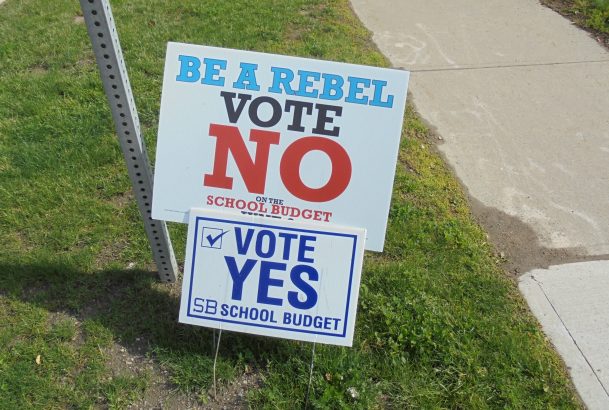
But plenty could change between now and when tax bills are issued in the summer. Education spending isn’t fixed until Town Meeting in March, when local voters approve their district budgets.
“In the 2017 letter, the FY19 rates were forecasted to increase by over 9 cents, but school districts passed budgets that helped the state avoid such a significant increase,” Bolio wrote in the letter.
A key driver of the expected rise in spending is health care. The nonprofit group that provides health insurance to school employees has filed proposed premium rate increases ranging from 12.9% to 14.7% with the state. In her own letter to legislative leaders – paired with Bolio’s – Secretary of Administration Susanne Young said $28 million of the project spending increases can be attributed to health insurance costs.
But that number, too, is up in the air. Negotiations are currently underway between school board and union representatives to craft a statewide health care contract. The outcome of that bargaining process, which is currently before an arbitrator, will determine how much school districts – and therefore the state’s education fund – are on the hook for premium hikes.
Ted Fisher, a spokesperson for the Agency of Education, said it was “difficult to point to any one particular causal factor” for the remaining $44 million in projected spending increases. But he suggested the usual culprits were to blame – rising personnel costs, investments in materials and technology, addressing deferred maintenance and school construction.
The tax department’s forecast sees the average homestead property tax rate rising by 5 cents and the average non-homestead rate going up by 6 cents. Most Vermonters pay their education taxes based on income; that rate is expected to rise from an average of 2.47% to 2.55%.
While the numbers in the Dec. 1 letter are far from being set in stone, they do set the stage both for budgeting decisions in local districts and for education finance debates in Montpelier. Both Young and Bolio’s letters highlighted that the projected 5% rise in spending comes as Vermont is expected to continue to see enrollment dwindle.
“Given the state of Vermont’s declining student population and performance scores, it’s difficult to argue the escalating tax rates do much more than maintain a status quo of rising costs and growing inequity,” Young wrote in her letter to lawmakers, adding that Gov. Phil Scott “continues to believe that structural reform is essential to making our education system better for kids, and more affordable for taxpayers.”
In his first term, Scott, a Republican, put out ambitious proposals to cut school spending by imposing higher staff-to-student ratios and buying down education property taxes by tapping into one-time revenues.
But his plans were rebuffed by lawmakers in the Democrat-controlled House and Senate, who criticized the governor for suggesting such big policy overhauls with just weeks to go in the legislative session. The state’s nonpartisan Joint Fiscal Office, which provides financial analysis for the Legislature, also argued the Scott administration’s plan relied on faulty math.
Both lawmakers and Scott left the subject of education finance alone in the first half of this biennium. And whether the administration will put out new education finance plans in this upcoming session “remains to be seen,” Young said in an interview, emphasizing that the governor would prefer to work alongside leaders in the Legislature.
“We think it’ll be more fruitful to have this conversation together,” she said.
Correction: A previous version of this article incorrectly stated that education spending is expected to increase by 6%. While taxes are predicted to go up 6%, spending is projected to increase by 5%.
For Young and Bolio’s letters, see below:
