

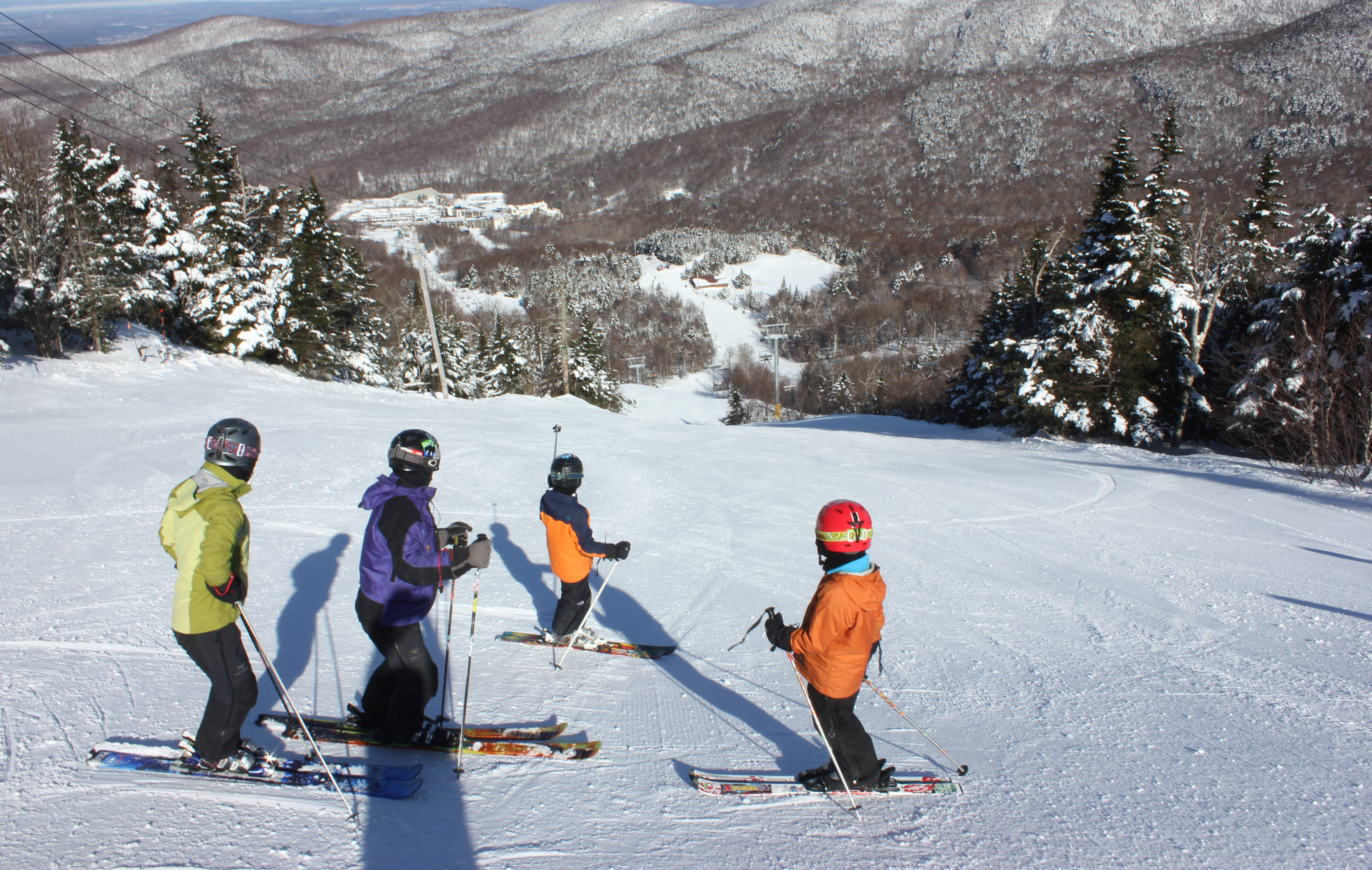
With many of Vermont’s most iconic resorts passing into the ownership of large out-of-state companies that offer multi-resort ski passes, some of Vermont’s smaller independents are joining forces to appeal to skiers and snowboarders who want a less corporate experience on the snow.
Bolton Valley Resort, Suicide Six, and Magic Mountain have all joined the new Indy Pass, which for $199 offers two lift tickets each at 34 independently owned resorts around the United States. The pass, which is newly available in the upcoming season, takes direct aim at the pricing that studies show has pushed skiers and snowboarders out of the sport. And it rallies the smaller areas against the marketing might of giants like Vail and Alterra.
Ken Rider, general manager of the Brundage Mountain Resort in Idaho, an Indy Pass member, described the group as a marketing co-op.
“We don’t have the deep pockets for marketing that other ski areas do,” said Lindsay DesLauriers, CEO of the Bolton Valley Resort in central Vermont. “They can blast a lot of marketing into major metro areas, which is really expensive. But we can pool our resources.”
Consolidation in the industry
Vermont’s Mount Snow is the latest resort to be folded into the huge Vail ski company. Vail’s holdings swelled to about 30 ski areas this month after it acquired the ski areas owned by Mount Snow’s previous owner, Peak Resorts.
Vail’s purchase continues a wave of consolidation that has transformed the industry nationwide and includes some of Vermont’s largest and most iconic ski areas. Twenty ski areas belong to the Vermont Ski Areas Association.
Before the Peak Resorts acquisition, the Colorado-based Vail already owned Vermont’s Stowe and Okemo, which it bought in 2017 and 2018.
The Powdr Corp. of Park City, Utah, bought Vermont’s Killington and Pico in 2007. And the Colorado-based Alterra Mountain Company bought Stratton in 2017 and this year toured the Jay Peak resort, which is for sale in northern Vermont.
The larger resorts have revolutionized ticket-buying by offering season passes that open access to all of their holdings, enabling skiers to try new terrain around the country at a far cheaper price than buying passes at each resort separately.
The Indy Pass is a response to those passes, aimed at skiers who want to try new terrain but in independent — if smaller — surroundings, said DesLauriers.
The family-run Bolton, which attracts many local skiers, has a vertical drop of 1,704 feet and six lifts, including two quads and three doubles. Killington, the state’s largest ski area, has 21 lifts and a vertical drop of 3,000 feet.

The consolidation is happening because there are economies of scale to be found in operating a multi-resort group, said Dave Belin, director of consulting services for RRC Associations, which carries out research for the National Ski Areas Association.
Large companies can save money in areas like marketing, IT, insurance, and accounting, Belin said. He said it’s also clear patrons want to try out new places, and the multi-area passes have been a hit.
“Having a product that the skier or snowboarder can purchase that gives people variety is what they are capitalizing on,” Belin said.
High prices
The National Ski Areas Association has said its research shows that the high lift ticket prices deter many people from the winter sports. Participation has been generally declining, although many resorts had their best season in years last winter, thanks to abundant snowfall and – according to Belin – the multi-resort passes.
The Indy Pass is a project of a Portland, Oregon, advertising agency called Fish Marketing and the 34 resorts, said agency owner Doug Fish. He said he expects to add more resorts, including two in New England, for the upcoming season.
DesLauriers said she hoped the Indy Pass would make skiing and snowboarding more accessible to more people and help them discover small, independent resorts they wouldn’t have visited otherwise.
“It clues you into a bunch of really interesting resorts around the country,” she said.

