

[M]embers of the House Judiciary Committee gave unanimous approval to a bill on Friday that would codify Vermonters’ right to sue companies that have released toxic substances, compelling them to pay for medical monitoring of the health effects.
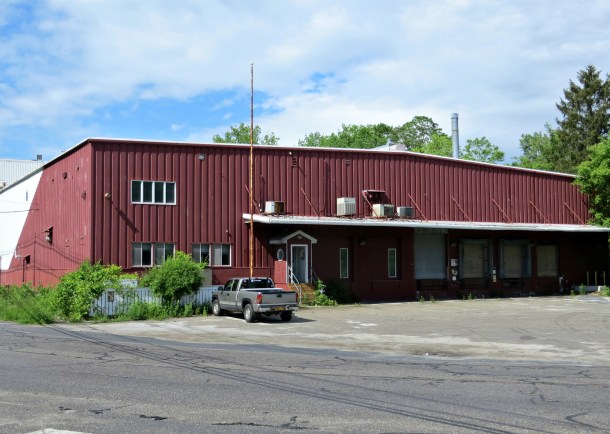
Bennington’s two senators, Democrats Dick Sears and Brian Campion, sponsored the bill, S.37, in response to the contamination of private wells around Bennington with PFOA from the ChemFab plant in town. Supported by environmental advocates, the bill has faced opposition from industry and Gov. Phil Scott.
Under the bill, individuals without a disease would have a “cause of action” to sue a company that exposed them to toxic substances through wrongful conduct. Before awarding medical monitoring, a court would have to find that the exposure increases the risk of developing a disease. A medical expert would also have to deem diagnostic testing to be reasonably necessary.
The right to medical monitoring only applies to businesses of 10 or more employees — or of 500 or more employees at multiple facilities — in the mining, manufacturing, transportation and utility sectors. If passed, the law would become the “exclusive remedy” for a Vermonter to bring a medical monitoring case to court.
Rep. Martin LaLonde, D-South Burlington, ranking member of the House Judiciary Committee, said in an interview Wednesday that the bill clears up uncertainties in the legal system for Vermonters exposed to toxic substances.
Under current law, it’s “not definitive” that a court in Vermont would find that a plaintiff has a right to medical monitoring, he said. While courts in 16 states have approved medical monitoring claims, courts in 12 other states have ruled that plaintiffs do not have a right to medical monitoring, he added.
Bill Driscoll, of Associated Industries of Vermont, and Warren Coleman, a lobbyist for MMR, both spoke out against the bill before the committee voted on it on Friday. Coleman referenced a medical monitoring case brought by a group of Bennington residents exposed to PFOA pending in federal court.
“I would rather wait and see what a judge does … and allow the court to do its job,” he said in testimony Wednesday.
LaLonde said the committee had worked to address concerns expressed by the administration and industry, although industry representatives still oppose the bill.
“But I didn’t expect that they really ever would (support it), unless it had been watered down so much that it wasn’t any threat,” he added.
Jon Groveman, water and policy director for Vermont Natural Resources Council, said during testimony Wednesday that he feels having the Legislature set standards for the right to medical monitoring was more “responsible” than leaving it to the courts.

“Don’t we want people who’ve been exposed to toxic chemicals as a result of someone’s negligence to have access to medical monitoring?” he said.
In an interview Friday, however, Groveman expressed concerns about limitations in the bill for the right to medical monitoring.
“It’s been very troubling and it’s perplexing to me, the other state courts that have allowed for these claims don’t narrow it to certain types of facilities,” he said.
Under the Senate version of the bill, manufacturers with 10 or more full-time employees would be held strictly liable for harm stemming from releases of toxic substances. The House opted instead to add those manufacturers to existing statutes around liability for hazardous releases.
Gov. Phil Scott vetoed a similar bill last year. At a press conference Thursday, he avoided saying whether he would support the measure if it makes it to his desk.
“They know that we want something that’s just palatable for the business community as well as for Vermonters so we’re getting closer,” said Scott. “Hopefully, they will come up with a solution that works for everyone.”
Kit Norton contributed reporting.
