


The State Board of Education has put a private school in southern Vermont on notice that it could lose its ability to receive public tuition dollars if its leaders can’t prove it’s on solid financial ground.
The board’s vote comes just a few weeks after VTDigger reported the Compass School in Westminster had lost its tax-exempt status with the federal government after failing to file the proper paperwork with the IRS for three years in a row. Rick Gordon, the school’s director, appeared before the board on Wednesday to tell them the matter was a simple oversight.
Gordon explained that the school had switched accountants, seen some turnover on its board of trustees and in its business office and that filing Form 990s to the IRS had gotten lost in the shuffle.
“As unbelievable as it sounds now to me, in all my life, all my degrees, all my experience, I never knew the importance of the 990,” Gordon said.
The school has since sent the forms to the IRS and requested reinstatement. Copies of the 990s are also now posted to their website.
The federal government requires the form be filed annually by private nonprofits claiming tax-exemptions from federal taxes, and they provide basic information about a nonprofit’s expenses, revenues, debts, and salaries for top employees. They are also one of the only public documents private nonprofits are required to create about their finances.
Board members grilled Gordon and Compass School trustee chair Roxane Blake for about an hour, but were little mollified by their answers, ultimately unanimously approving a motion expressing “reasonable belief” that the school “lacks financial capacity.”
The language triggers a review process under a new state law passed just last year to provide additional oversight of independent schools. Compass remains allowed, for the time being, to operate and receive publicly funded tuition dollars, which account for about half of the school’s roughly $1 million annual operating revenues. But that could change if board members aren’t satisfied with what the school shows them going forward.
Gordon said after the meeting that he wanted to stress that the board’s questions had focused on the school’s “policies and procedures” and did not indicate they were concerned about the school’s “financial stability.”
“Hopefully people understand there is no financial instability in the organization – being able to educate kids and pay our bills, which we’ve always been on top of. Apparently, they’re right that we could do better with procedures and policies, and that’s what we’ll work on,” he said.
Board members did focus much of their inquiry on the school’s governance, accounting policies and administrative practices. But they also argued that apparent weaknesses in those subjects could put the organization’s financial health at risk.
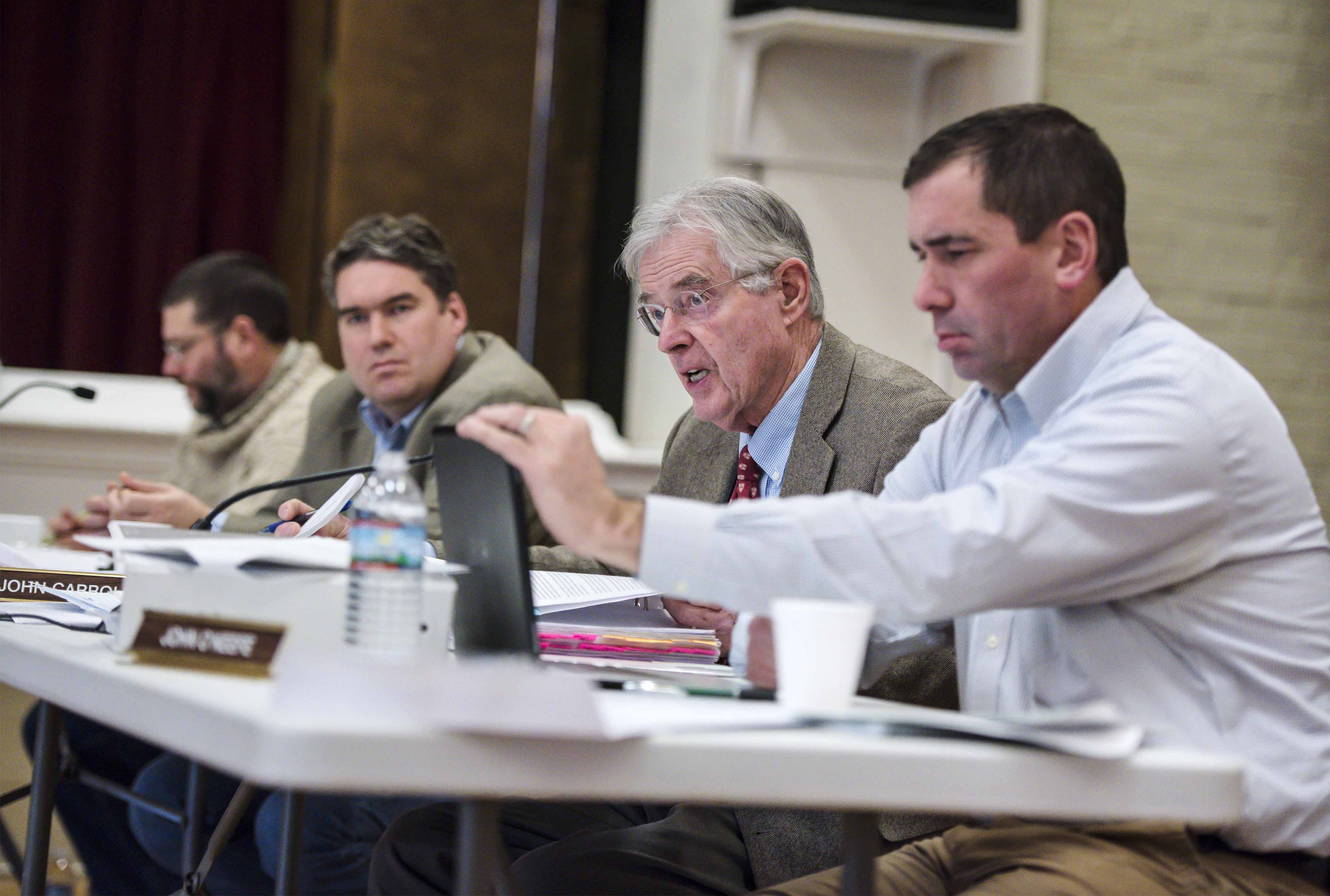
“You’re operating like a mom and pop store that no one needs to know that much about,” one board member, John Carroll, pointedly said.
The school remains a nonprofit under state law, but loss of its tax-exempt 501(c)(3) status could impact its ability to fundraise. Some private foundations, for example, won’t give grants to nonprofits that don’t have that status, and individuals can’t get tax breaks on their federal income taxes for donations to groups that aren’t tax-exempt.
Carroll asked Gordon if he’d notified all their funders about the school’s loss of its status. When Gordon answered that he hadn’t told all of them – he has notified some – because he assumed the IRS would retroactively reinstate the school, Carroll bristled.
“I think your failure to manage this properly puts in jeopardy the stream of charitable contributions that you receive – if I were a donor, I’d be pretty annoyed,” he said. “This is not just a paperwork oversight.”
In a recently submitted application to the board for re-approval – private schools must do this every five years to receive tuition dollars from the state – the school relied on annual budget documents and a letter from their board to attest to their financial health.
Krista Huling, the state board’s chair, asked Blake what evidence she had looked at before signing that letter, given that the school did not perform regular audits and had not, at that point, produced 990s.
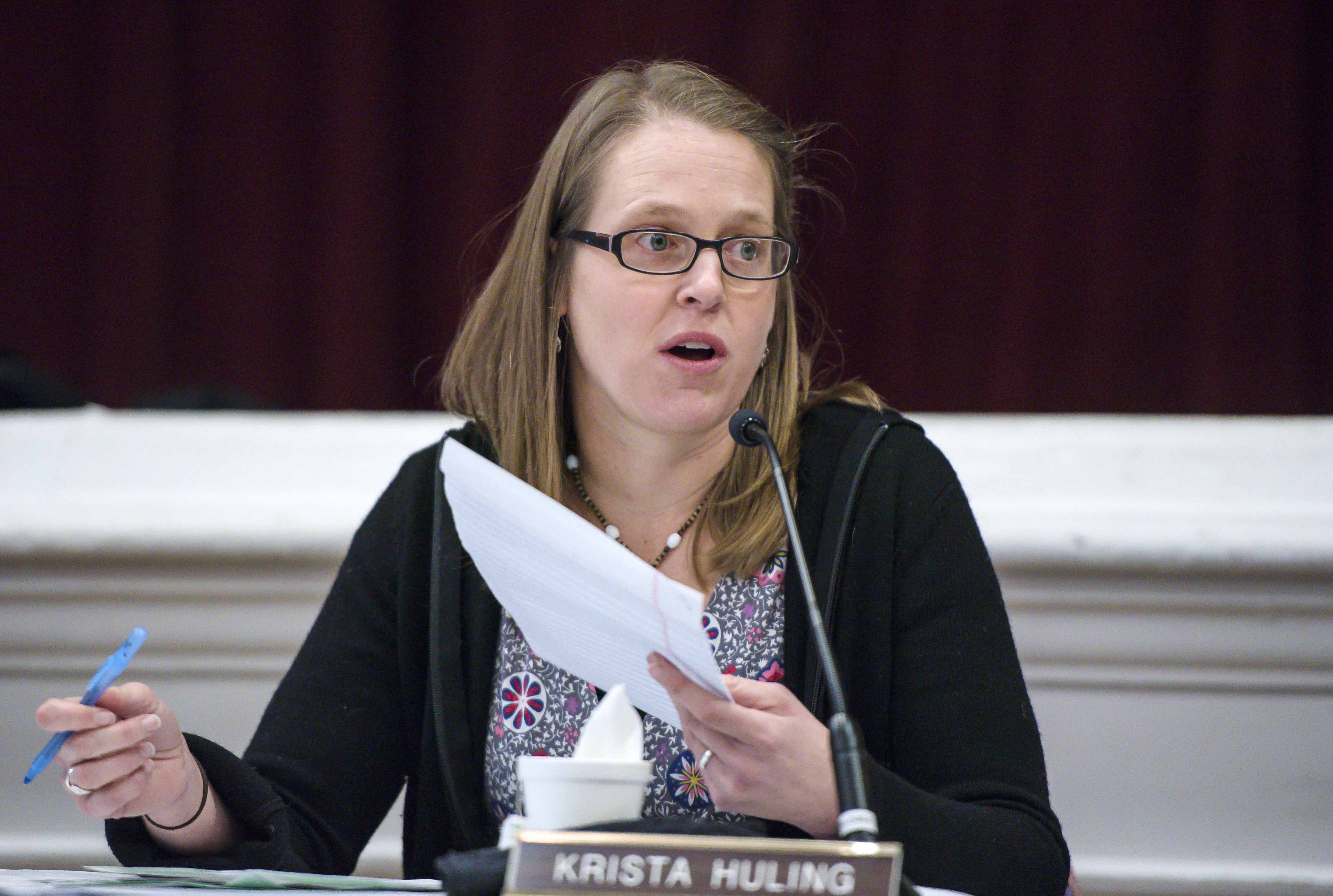
“Looking at the bank statements, there’s $200,000 surplus sitting in the savings account in the bank each year. Year after year,” Blake answered, adding that financial statements showed “no red flags.”
But several board members said that wasn’t good enough, and implied her answer indicated a lack of understanding of how finances worked.
“When you say ‘well, there’s money in the checking account.’ If you look at my checking account on the 30th of the month, I look rich. And then on the first, I look very poor,” said board member John O’Keefe.
Bill Mathis, another board member, expressed confusion at the financial documents the school had submitted.
“I can’t find the bottom line on the budget,” he said. “That’s very peculiar not to have a budget section which is different from the actuals and without showing the encumbrances. Do you folks use generally accepted accounting principles?”
Gordon said that believed the school did, although he acknowledged he wasn’t sure.
“I mean, I’m not an accountant, but our bookkeeper uses I think the generally accepted accounting principles,” he said.
