


[L]ending to marijuana businesses is such new territory in the northeast that Dan Yates, the president and CEO of Brattleboro Savings and Loan, had to look to Washington and Oregon to find industry peers who would share how they do it.
Now the southern Vermont bank is taking steps that could make it the first financial institution in the state to lend to the full range of cannabis-associated businesses, from hemp to recreational marijuana.
Brattleboro Savings and Loans already lends to people who are growing cannabis for CBD, the non-psychogenic compound derived from one strain of the plant. Few lenders in Vermont or elsewhere have ventured into that territory as they wait for federal authorities to issue clear guidance on cannabis and its products.
Some local lenders, such as Yankee Farm Credit, serve hemp growers. The Morrisville-based Union Bank is also lending to a few companies producing or selling hemp or CBD. Vermont State Employees Credit Union entered the field early, and now lends to medical marijuana dispensaries and to hemp and CBD businesses, said CEO Rob Miller.
And at the end of March, the Vermont Economic Development Authority decided at a board meeting to start accepting loan applications from hemp businesses.
“We can accept (loan) applications now, but cautiously,” said VEDA CEO Cassie Polhemus. “We are not going out and advertising.”
Yates is taking things a step farther as he explores a plan to provide financial services to the full cannabis industry, be it growers, CBD processors, providers of medical marijuana, or out-of-state businesses selling recreational marijuana.
“Someone has to be willing to take the first step here,” Yates said.
Under Vermont law, individuals can grow a small number of cannabis plants for personal recreational use. It is also legal to grow hemp to produce CBD, the non-psychogenic compound that is added to foods, beverages, lotions and other consumer products. State lawmakers are now discussing measures to tax and regulate commercial sales of recreational marijuana.
Conflict between state and federal law has left bankers like Yates in a gray area when it comes to doing business with the cannabis industry. He would like to lend to medical marijuana companies and to nearby Massachusetts recreational marijuana companies. He’s confident that U.S. Attorney Christina Nolan won’t prosecute Vermont companies that work in the marijuana business.
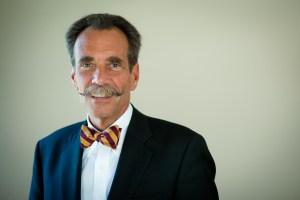
“We’re so close to Massachusetts,” he said. “If there are businesses there in need of a bank, and close enough to us – we’re not going to do business with a retail marijuana business in the Boston area or in Springfield, Mass., but let’s say it’s Bernardstone, or Greenfield — that’s certainly close enough in our marketplace that we would consider doing so.”
Some of the western bankers that Yates has talked to are doing business with the cannabis industry, he said; others are staying away from it. One credit union has been providing lending and depository services to the industry since 2014, but they’re keeping a very low profile, he said.
“In fact, the only reason they agreed to speak with me is due to a mutual colleague that runs a bank in Seattle, and my promise that I would not disclose the details of our discussion or who they are,” Yates said. “There is still obviously some nervousness surrounding this.”
Yates himself is also moving cautiously. One concern, he said, is getting caught up in a money laundering investigation, with catastrophic penalties.
“The big fear is that organized crime, under the guise of a local cannabis business, will use banks that are willing to provide these services to — unwittingly or wittingly — help them launder money,” he said. A Delaware bank, he said, was hit with a civil penalty so severe a few years ago that it put them out of business.
The bank can protect itself against that danger to some extent with diligence, Yates said.
“We have software programs that identify transactions that seem suspicious on a daily basis,” he said.
Another fear is forfeiture. If the federal government decides that what a borrower is doing is illegal and seizes its assets, the bank will be left with an unsecured loan and a borrower who has no way of paying it back.
“There is this cloud that hangs over us,” Yates said of that worry.
