


[S]pringfield Hospital has come under regulatory scrutiny for its treatment of mental health patients, including several incidents in which police were improperly called to the emergency department.
New documents from the Vermont Division of Licensing and Protection say the hospital failed to meet five standards during incidents involving three patients in July, September and December.
The state has accepted the hospital’s plan to correct deficiencies, including new and revised patient care policies and enhanced training for staff. But, as with other Vermont hospitals, Springfield is facing continued pressures from psychiatric patients who have nowhere else to turn for help.
“Springfield’s emergency department averages just over 700 behavioral health patients per year, or about two per day,” said Dr. Richard Marasa, the hospital’s emergency medical director.
Springfield Hospital has been in the news lately for money troubles that first surfaced in December. A forensic audit has faulted mismanagement for the hospital’s financial losses, which have led to staff and wage reductions as administrators try to stabilize the operation.
The state also has chipped in $800,000 to help bail out the hospital.
However, Marasa said the new mental health regulatory findings “are totally and completely unrelated to the hospital’s current financial situation.”
That was confirmed on Thursday by the state office that investigates complaints on behalf of federal regulators. Suzanne Leavitt, assistant director at the Division of Licensing and Protection, said her agency follows specific federal protocols that “do not include any financial review.”
“That being said, there was no indication to our survey team that any past or current financial situation played a role in the deficient practice we determined to exist at Springfield Hospital,” Leavitt said.
Instead, the problems likely stem from the large numbers of mental health patients who are stuck in medical emergency rooms due to a lack of available psychiatric beds in the state.
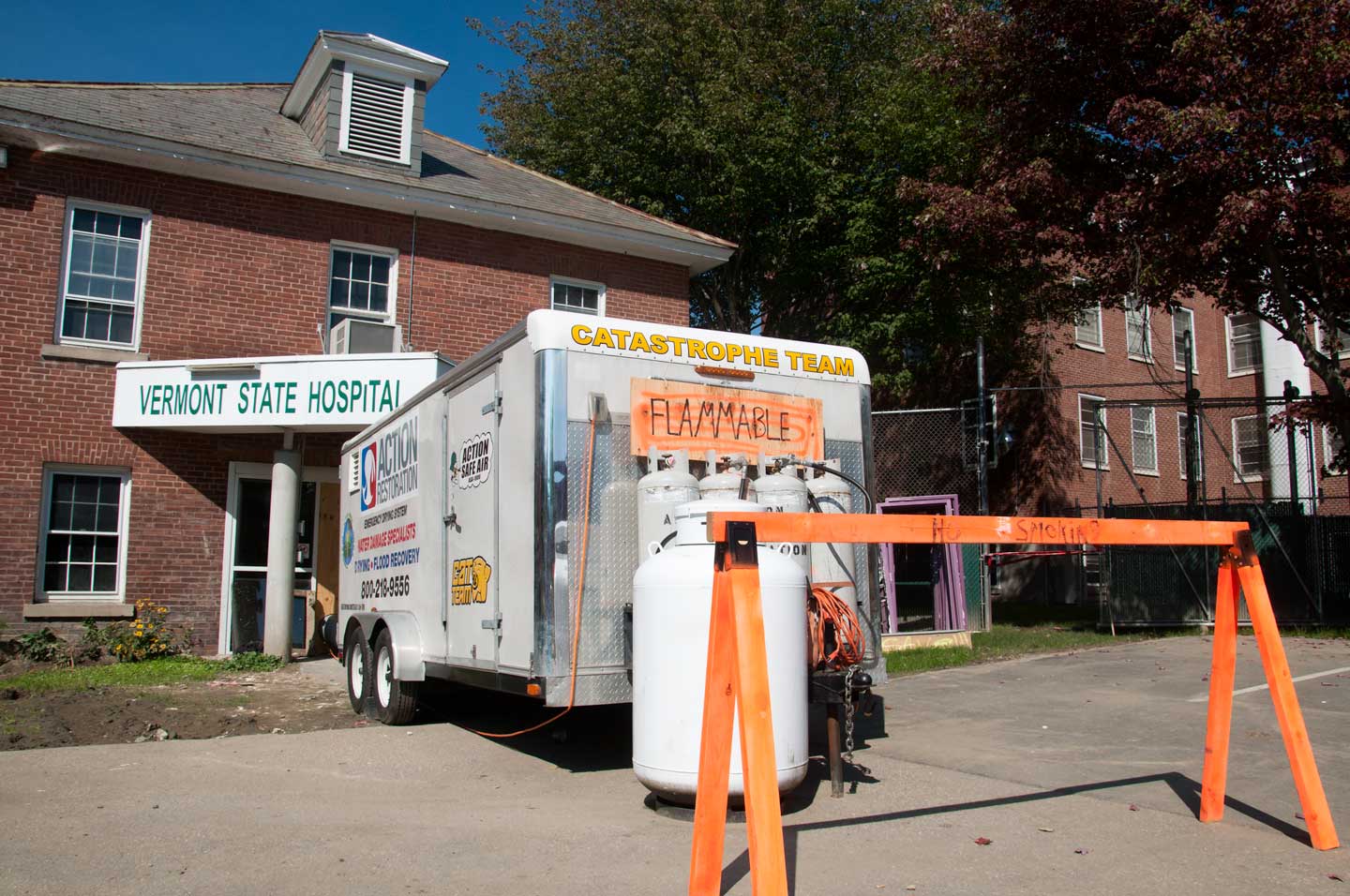
Though Springfield Hospital has not seen a significant increase in such patients over the last four years, the care those patients need is growing. “The number of psychiatric patients that the emergency department has to hold more than 24 hours has increased every year since the state hospital in Waterbury was flooded and closed in 2011,” Marasa said.
He produced statistics showing that those patients needing more than 24 hours of care numbered fewer than 20 before Tropical Storm Irene’s flooding in fiscal year 2011. In fiscal 2018, that number was 136.
“As such, the actual numbers of overall patients do not represent the overall significant and steady increase in resources needed to care for behavioral health patients,” Marasa said.
The influx of mental health patients has led to regulatory troubles for several Vermont hospitals where investigators have found evidence of improper staffing, restraint use and police interventions.
Springfield’s case is the latest example. State officials say they visited the hospital in late January to check out an anonymous complaint, and they found several instances of regulatory violations in connection with mental health patients.
The first was in July, when a person identified in documents as “patient No. 1” was brought to the emergency department by police. The patient had assaulted a caregiver at a physician’s office, was making threats, and “was found stapling him/herself with a stapler.”
In the emergency room, the patient remained for a time under police guard, in handcuffs and with “one arm attached to the stretcher.” State documents say the handcuffs “should have been removed immediately” as soon as the patient was in the hospital, and the fact that they weren’t removed was a violation of Springfield’s restraint policy.
Another person, identified as patient No. 5, was brought to the emergency room in September from an outpatient clinic. The patient, who suffered from depression and suicidal thoughts, had tried to hurt himself or herself.
At Springfield Hospital, staff summoned police after the patient became disruptive and threatening. But a nurse manager later acknowledged that “police should not be called to assist with any behavioral health emergencies, and that it was the responsibility of the staff to manage the patients” in the emergency department, documents say.
The conclusion was the same for a third person: Springfield staff called police to help control the patient in December, and while police interactions with the patient “were not documented” by the hospital, law enforcement should not have been involved at all, documents say.
That third patient also was allowed to use the restroom without direct observation and proceeded to break the porcelain toilet, state officials found. The patient was not injured, though “the potential for harm existed,” documents say.
The state report lists several other deficiencies. They include the hospital failing to maintain proper medication documentation for two of the mental health patients; failing to remove potentially dangerous items from rooms designed for those with psychiatric issues; and failing to analyze the incidents “to identify opportunities for improvement.”
The Division of Licensing and Protection approved Springfield’s plan of correction on Feb. 28. Administrators pledged to review and revise policies related to psychiatric patients, including drafting a new policy regarding the use of law enforcement in the emergency room.
Staff training and education also is part of the plan, and supervisors are supposed to intensify their scrutiny of restraints, patient observation procedures and documentation of medical orders.
Additionally, administrators said “the use of restraints and police presence will become a standing agenda item” for a nursing council that meets monthly. “The group will discuss the data and provide recommendations for improvement where needed,” documents say.
Mike Faher discusses his reporting on Vermont’s mental health care system on our Deeper Dig podcast:
