

With Vermont dairy farmers struggling to survive, milk industry leaders are looking for the next big thing in dairy.
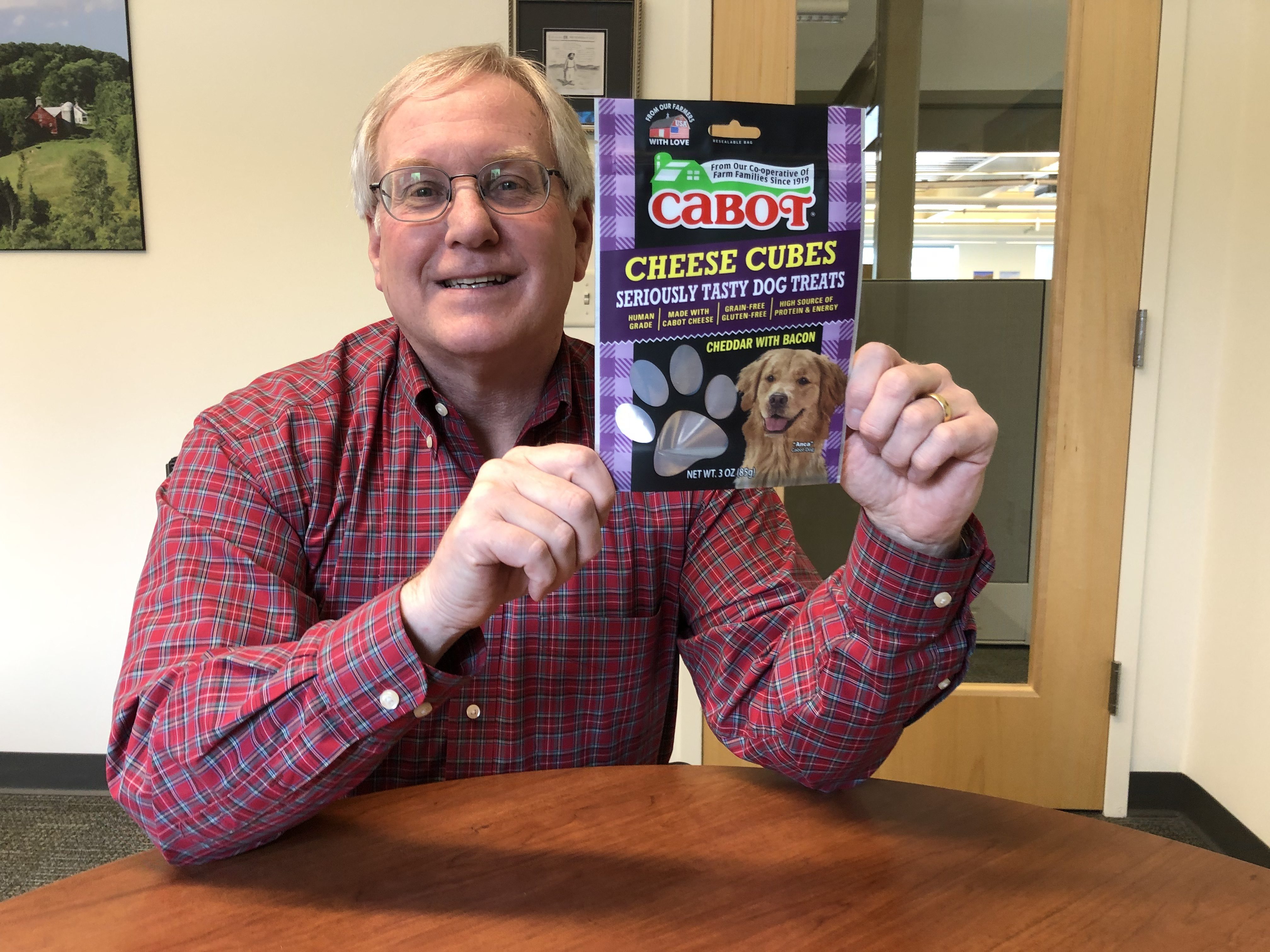
For Cabot Creamery Cooperative, that just might be cheese cubes for dogs. The Vermont cooperative, which has about 900 member farms, will roll out dairy-based dog treats sometime in the second quarter of the year, said CEO and President Ed Townley. They’ll be made from the trim left over from processing in Cabot’s own cheese factories, and will be sold in 3-ounce packages.
Dogs can handle dairy in small doses, said Townley, whose family dog is featured on the package.
“It’s a $60 billion marketplace just for dogs,” he said. “It’s growing at a rate much faster than human food.”
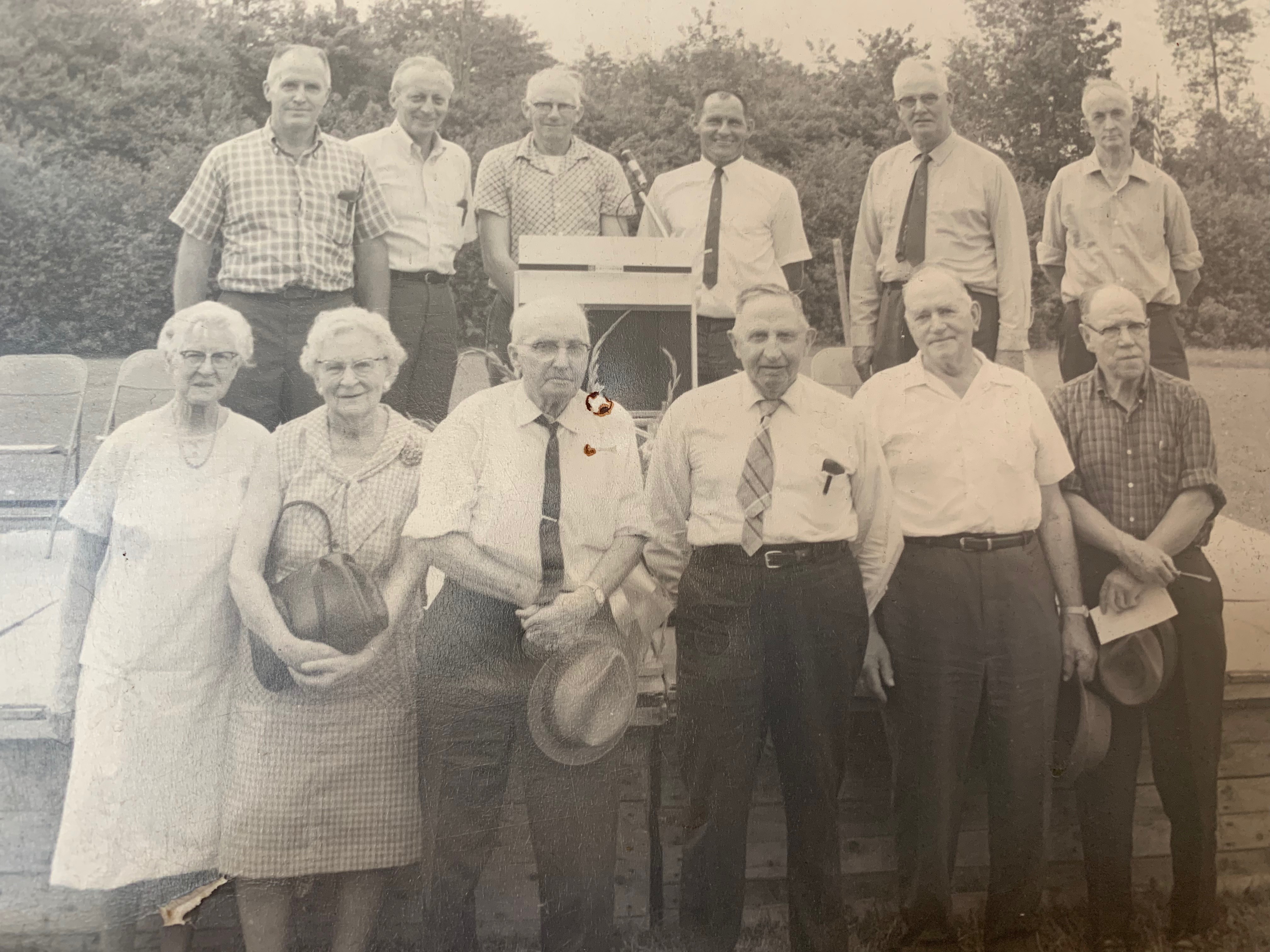
St. Albans Cooperative Creamery and Cabot both turn 100 this year. Cabot started with about 95 members; St. Albans with about 25.
These are complex times for the dairy industry. Interest in natural, local food is rising, bringing organic farmers a premium price for their milk, cheese and yogurt. Greek yogurt, introduced a decade ago, has been a runaway success, prompting growth in the yogurt market. Meanwhile, the spread of robotic milkers has freed the farmers who can afford the technology from the twice-daily ritual of milking.
But at the same time, oversupply has created four years of low milk prices. Environmental concerns have damaged dairy’s reputation and brand. Trade policy is hurting exports, and cow’s milk faces new competition on the grocery store shelves from milk-like beverages concocted from ingredients like soy, almonds, coconut and macadamia nuts.
Meanwhile, farmers, like so many other business owners, are starting to retire and don’t always have someone on hand to take their place.
Now, industry leaders like Cabot are looking for ways to diversify their product offerings to find new markets for milk products. And farmers themselves are looking for ways to diversify through new crops, value-added products and agritourism.
“Farmers are becoming more sophisticated about not just their business but about the co-op business,” said Townley. “It’s important for them financially.”
The U.S. dairy industry is going into its fifth year of low milk prices. Townley said Cabot has lost about 60 farms in the last year; Leon Berthiaume, the CEO of the St. Albans Co-op, said his company has lost about 40 in the last year and now has 340 farms. Farm size is increasing; right now, the average dairy farm in Vermont has 179 cows.
The Kansas City-based Dairy Farmers of America, the largest dairy cooperative in the country, also has members in Vermont.
Cabot is a B Corporation, certified through an organization that recognizes businesses for their social and environmental performance. The company, which is part of the Massachusetts dairy cooperative Agri-Mark, has staked a lot of its future on the cheese industry. Cheese and dairy fat have both gained favor among nutritionists lately, and demand is up.
St. Albans isn’t planning to go into cheese production anytime soon, said Berthiaume, but its leaders are looking for other markets for products like the co-op’s skim milk solids.
“We know more consumers are looking for pickup and grab-and-go products; we’re seeing that now,” said Berthiaume. “People have moved from fluid milk to a cup of yogurt, drinkable yogurt, packages of cheese and so forth. More opportunities for single serves, longer shelf life products, are areas where some processors are spending more time and investment.”
Cabot isn’t taking new members, because the members it has now are producing more milk than needed, said Townley. But he said he gets calls all the time from people who want to join the co-op. Some of them want to go into dairy farming. Vermont Agriculture Secretary Anson Tebbetts, who grew up on a dairy farm in Cabot, said he gets those calls too.
“I have noticed a trend of people with a non-agricultural background also considering going into agriculture,” said Tebbetts, whose grandfather was one of the first farmers to join the Cabot co-op.
“I think that is part of wanting to be closer to the land, to nature, to making a product and getting that to market,” he said. “That can be very rewarding and exciting.”
The Greek yogurt business made money for Cabot’s members, said Townley. The company went from making 3 million pounds a year of yogurt five years ago to about 14 million pounds now. But it also caused farms nationally to expand, leading to the oversupply.
Townley thinks dairy prices will slowly rise over the next few years, and he sees some growth in the future for the co-op’s members, not in liquid milk but in cheese. Cabot cheese is now sold on the West Coast, but not at most stores inland.
“We’re not going to grow 10 percent or things like that, but I see the brand expanding west of the Mississippi,” he said. “There’s a lot of opportunity for us to grow specifically for cheese.”
Apart from dog treats, Cabot is also talking to a pasta company about producing a packaged macaroni and cheese. They talked about making ice cream, but decided against it.
“In Vermont there is already Ben & Jerry’s, so it’s not easy to just crack into that marketplace,” Townley said.
