


[V]ermont’s infrastructure earned a “C” in a 2019 report card from the Vermont section of the American Society of Civil Engineers — the same grade as five years ago, the last time a report card was released.
D+ grades on stormwater and wastewater were the lowest grades received in the nine categories that were rated. Clean water legislation passed in 2015 — Act 64 — was aimed to address those shortfalls, but it is facing a $1.24 billion investment gap over the next 20 years, while wastewater faces a $13.7 million gap.
The EPA gave its approval Monday to a plan from the Scott administration to fund clean water projects with existing general fund revenue. The state treasurer’s 2017 report suggested the state should fill at least half of that funding gap, which would happen under Scott’s proposal.
“On the stormwater and wastewater fronts, Act 64 was clearly a turning point for these two important infrastructure assets,” said Julie Moore, secretary of the Agency of Natural Resources. “The commitment to the operation and maintenance of this infrastructure is essential to ensuring its long-term viability … but we expect significant investments in wastewater treatment in coming years.”
The report’s best marks were B- scores for energy and solid waste. Vermont has the lowest energy production in the country, and has committed to a goal of 90 percent renewable energy by 2050, but high electricity costs brought down the score. The report also noted a need for more investment in solid waste, though a statewide goal to reduce the municipal disposal from 5.18 pounds per person to 2.76 pounds is an indicator that this often stagnant category is beginning to see positive change.
Roads saw the biggest improvement over time, going from a C- in 2014 to a C+ for 2019. The report noted prioritization of road maintenance by the Vermont Agency of Transportation and low congestion as some of the roads’ biggest assets.

Jessica Louisos, chair of the report card committee, said the state’s success in roads can be hard for people to see, especially if they live and drive in areas with poorer conditions than found in the state overall.
“I think the question about one individual or one community seeing poor conditions in one location applies to all of the categories of infrastructure,” Louisos said. “The grade really tries to look across the state, and while one community may have just done a wastewater treatment plant upgrade, there may be another community where that infrastructure is really in need, so when you look at the grades, it’s not necessarily a reflection of one dam or one road or one community.”
The drinking water and dams categories saw no change from their 2014 marks, earning a C- and C, respectively. The report identified hundreds of pipe leaks across the state and a lack of emergency action plans at high-hazard dams as things to watch out for in these areas.
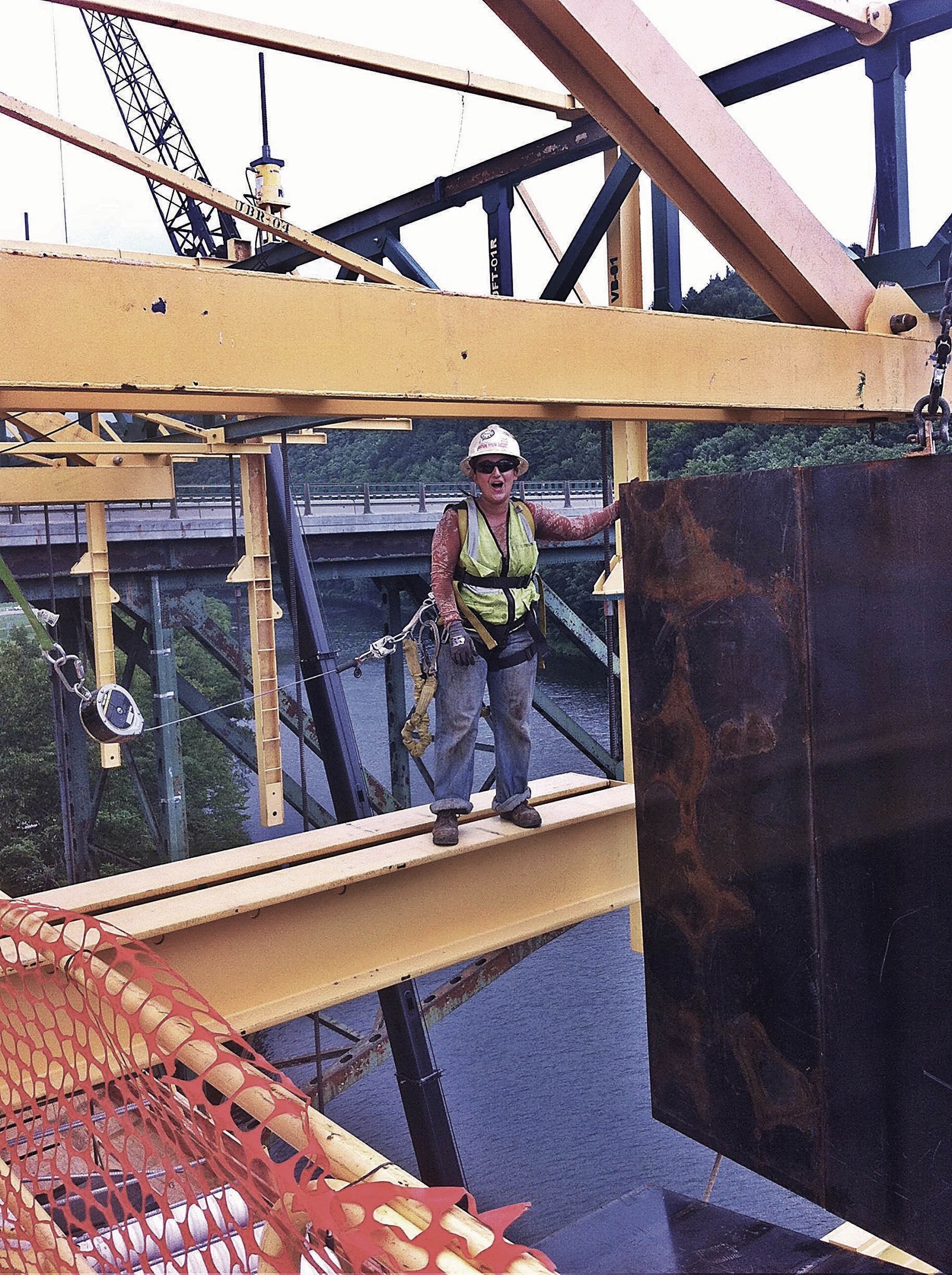
Bridges, earning a C+, saw minor improvement, though the report identified aging and functionally obsolete bridges in the state as needing additional maintenance and repairs. And aviation, a new category, came in with a C-, with points off for the state’s aviation system being generally underfunded, both at Burlington International Airport and state airports.
The report also made several recommendations for how to address these infrastructure problems, including everything from promoting forward thinking to preparing for more severe weather conditions and supporting sustainable local funding sources.
“The grades show that we are making progress. It’s been a lot of hard work over many years,” said Joe Flynn, secretary of the Agency of Transportation. “With that, we recognize that we have some challenges to ensure that our customers have reliable and safe transportation options. To meet those challenges, the Agency of Transportation has implemented a robust asset management system to make strategic investments on the right asset at the right time.”
The ASCE is a volunteer group of civil engineers who compile report cards based on existing data on a variety of infrastructure systems across the state. They hope to put out another report card in 2024.
