

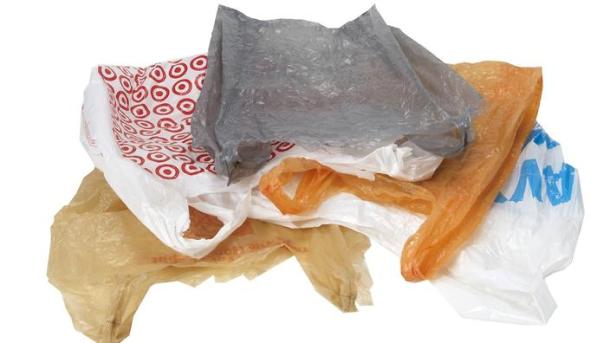
[V]ermont lawmakers are hoping to channel the groundswell of concern over plastic pollution to pass a statewide ban of certain plastic bags.
Legislators in both chambers have proposed bills that would ban single-use plastic bags, straws and styrofoam containers from grocery stores, restaurants and other food retailers.
The House version, H.74, would ban those products this July while the draft Senate bill proposes a slower rollout period done in tandem with an Agency of Natural Resources-led evaluation of existing municipal plastic bag bans.
In the past year, regulating single use plastics has started gaining traction among some Vermont municipalities and businesses. Brattleboro became the first town in the state to ban single use plastic bags this summer and some businesses have adopted a “straws upon request” policy.
Rep. Robin Scheu, D-Middlebury, lead sponsor of H.74, said that she decided to propose a statewide ban after learning about the Brattleboro plastic bag ban that went into effect last summer and seeing a similar petition circulating in her town.
“I got to thinking – are we going to do this town by town?” she said.
In addition to requiring citizen and town leadership time, banning single use plastic by municipality introduces complications for retailers with multiple locations, she added.
“Think about Hannaford, who is all over the state,” Scheu said. “You can have plastic bags here but you can’t have plastic bags there — that gets really confusing.”
Erin Sigrist, president of the Vermont Retail & Grocers Association, said that her organization has not yet taken a position on the proposed ban, but agrees that retailers would prefer more statewide consistency as town bans start to crop up.
“It is more challenging to have a patchwork of regulations based on location throughout the state,” she said.
Sigrist added that the issue of plastic pollution is a bigger solid waste challenge that goes beyond food retailers.
“I’m by no means saying that we need to legislate all plastic, but there’s significantly more plastic in the system than plastic bags,” she said.
Paul Burns, executive director of VPIRG, which has been encouraging businesses to pledge to only offer “straws upon request,” said he feels it makes sense to start with regulating single use plastics in grocery stores and restaurants.
“There’s just so much of this that has to do with food in one way or other,” he said.
Sen. Chris Bray, D-Addison, sponsor of the Senate draft bill, said he crafted his draft legislation to learn from local bans already in place while also preventing a “patchwork quilt of regulations” around the state.
Burns questioned the need for a rollout period or study of existing bans given the “severity” of plastic pollution.
“At some point, we have to take the plunge,” he said.
Rep. Robin Chesnut-Tangerman, a co-sponsor of the House bill, favors a ban on single-use plastic bags from all stores — not just food retailers. A plastic bag ban had been considered “draconian” when it was proposed when he was on the House Natural Resources committee during the 2015 session, but it now seems like “common sense” with increased public awareness of plastic pollution, he said.
“We’ve seen a lot of efforts for years now, you know at the supermarket you get a three cent credit if you bring a bag, so that’s the carrot approach,” said Chesnut-Tangerman. “Behavioral change is the hardest thing for all of us — we’ve tried the incentive approach and I don’t see it working.”
He added that “creative” packaging products have started to surface — like a New York-based company that uses mycelium as the binding agent in a styrofoam alternative.
“At this point, continued reliance on styrofoam is laziness,” he said.
