


[B]URLINGTON — When Milo Cress was 9 years old, he sat in a restaurant wondering why he had just been given a straw with his meal. It seemed so wasteful. After all, he didn’t use straws at home, so why would it be different while eating out?
Not long after, he began a “Be Straw Free” campaign, through which he hoped to educate businesses about the impact on the environment. He urged them to reduce the number of straws they handed out as well as the amount they threw away.
“It seemed like such a waste, because I would see so many take their straw and put it on the table,” said the Burlington resident, now 16. “It seemed like so few people needed straws but so many were getting straws that there was a problem there.”
According to the group For a Strawless Ocean, nearly 500 million plastic straws are used in the United States every day, with many of those ending up in the ocean where they pollute the water and kill marine life. The group estimates that by the year 2050 there will be more plastic in the ocean than fish.
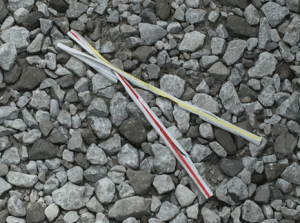
Unlike other plastics, straws cannot be recycled because they are too light to make it through the mechanical sorters, according to the organization.
Cress, who has testified before Congress and the Vermont Legislature, stood alongside business owners and other officials Wednesday, urging restaurants to take a pledge to only provide straws on request.
The issue has drawn a lot of attention across the country recently and a number of cities have adopted policies to limit the use of straws. Next month, Seattle will become the largest metropolitan area to ban single-use plastic straws.
And it’s possible that Burlington may not be far behind.
Burlington City Councilor Adam Roof, I-Ward 8, said he plans to introduce a resolution next month to limit the use of straws in the city. He said it was the images of sea turtles with straws stuck in their noses that prompted him to take action.
Roof said that during his time as a bartender in Burlington, he’d sweep up many straws that people had not used over the course of an evening shift.
While it may appear to be a meager contribution on a global scale, he said “it’s one of those cases where a lot of small steps over times” can have a much larger impact.
He said he hopes to join and start conversations with officials in cities like Burlington to “weld” the impact of reducing plastic straw use.
Paul Burns, executive director of the Vermont Public Interest Research Group, said that there are a number of alternatives to plastic straws, including those made of steel and paper.

Some Vermont businesses have begun substituting alternatives to the single-use plastic straws. Stowe Bowl — with alleys, a lounge and restaurant — is now providing reusable straws for kiddie cups.
Stowe Bowl owner Rachel Vanderberg said the practice also could save firms money in the long run.
Earlier this month, WCAX reported that Leunig’s, a popular downtown Burlington bistro, had implemented a “straw upon request” policy. However, managers soon after decided to scrap the change when they found that customers almost always would ask for straws.
City Councilor Roof said he understands the burden a zero-tolerance policy would place on businesses and plans to speak with restaurant operators while crafting his resolution.
“I want to get a lot of buy-in from restaurants and bars before I move forward on something,” he said.
