


[A]mid a severe influenza season in 2017-18, federal statistics show that Vermont’s flu vaccination rates dropped significantly.
State officials are hoping that trend reverses as the 2018-19 flu season gets started.
The Vermont Department of Health is urging residents to take advantage of hundreds of sites where they can get vaccinated now, before the season is in full swing. Getting a flu shot, officials say, is a way for Vermonters to protect themselves and others who may be vulnerable to the viral infection.
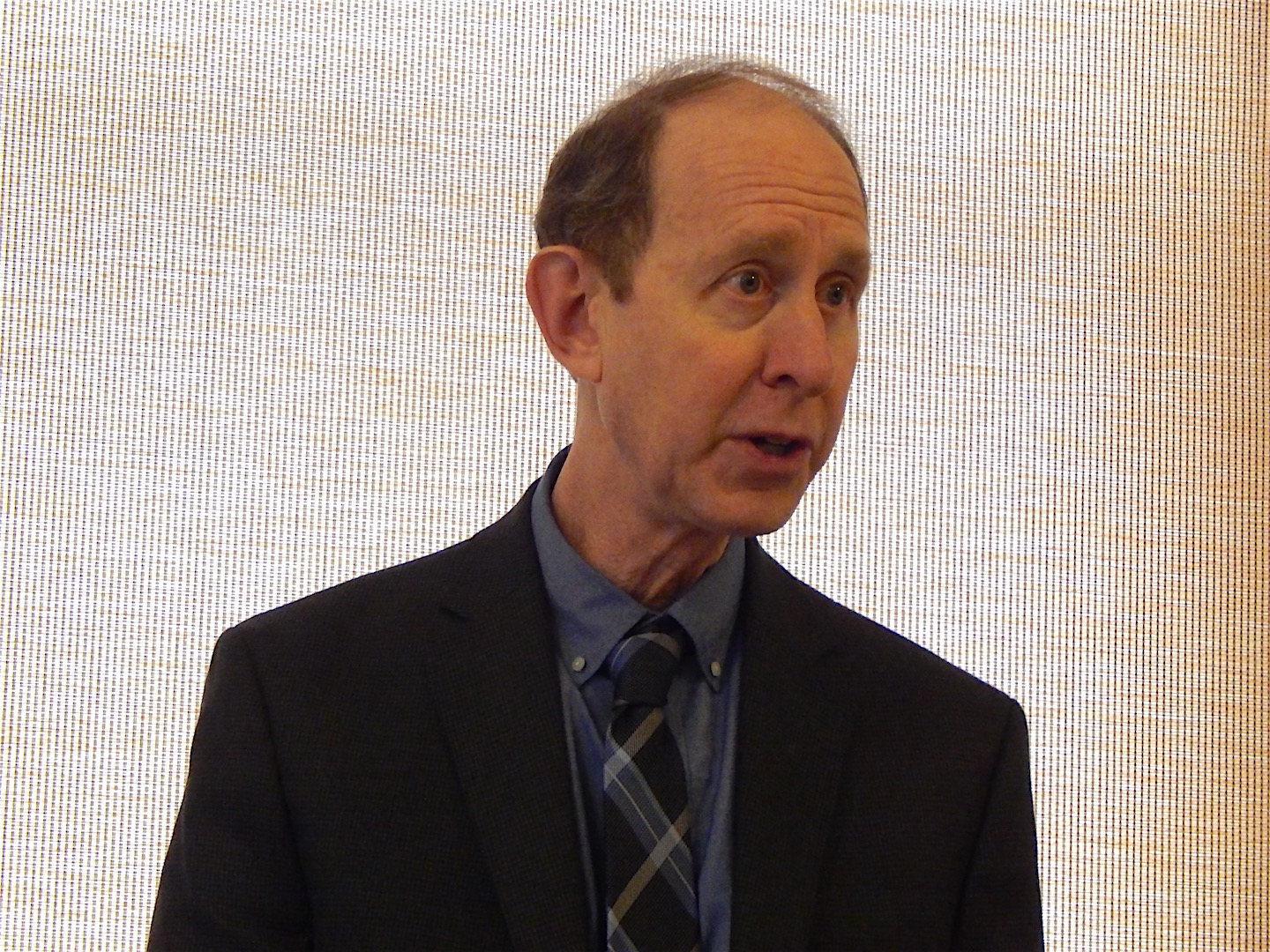
“I’m very concerned about our vaccination rates for flu, especially among young children,” said state Health Commissioner Mark Levine. “If we don’t get vaccinated, we are needlessly putting ourselves at risk of serious illness, but we are also gambling with the health of children and others around us who can’t get vaccinated.”
The 2018-19 flu season is just beginning, with Vermont officials reporting relatively few cases at the beginning of December in the latest statewide surveillance report.
But the 2017-18 flu season was classified as “high severity” by the Centers for Disease Control and Prevention. The agency estimated that 48.8 million people across the United States came down with influenza, and 22.7 million sought treatment from health care providers.
Last season represented the highest number of flu cases since the 2009 H1N1 pandemic. And the season also was “atypical in that it was severe for all ages of the population,” federal officials said.
It was, the CDC wrote, “a reminder of how severe seasonal influenza can be.”
While most people who contract the flu recover without serious complications, that’s not the case for everyone. The CDC notes that “influenza can cause serious illness, hospitalization and death, particularly among older adults, very young children, pregnant women and those with certain chronic medical conditions.”
During the severe flu season of 2017-18, there were 959,000 hospitalizations and 79,400 deaths across the nation due to influenza. The CDC says 180 confirmed pediatric deaths were reported from the flu; among those fatal cases where officials know a child’s vaccination status, 74 percent were unvaccinated.
The CDC recommends that everyone aged 6 months and older receive a “routine annual influenza vaccination” unless there is a contraindication – meaning some medical reason that a flu shot is inadvisable for a patient.
Christine Finley, the Vermont Health Department’s immunization program manager, said the flu vaccine “reduces your risk of getting the flu, and it really decreases the symptoms of the flu if you do get it.”
Health officials also say that those who forgo the vaccine risk transmitting the flu to those who are not or cannot be vaccinated, as well as those whose health makes them more susceptible to flu-related complications.
In a report earlier this year, the National Foundation for Infectious Diseases issued a “call to action” regarding “an urgent need to raise awareness of both the dangers of influenza infection and the benefits of vaccination in adults with chronic health infections.”
The report noted that influenza can exacerbate problems like heart disease, lung disease, obesity and diabetes. “The serious consequences of flu in adults with chronic health conditions can be devastating and long-term,” the report’s authors wrote.
In spite of such risks, the CDC found that national flu vaccination rates dropped last season, both nationally and in Vermont.
Just 37.1 percent of adults in the U.S. received the flu vaccine, down 6.2 percentage points from the year prior. “For all adult age groups, flu vaccination coverage estimates in the 2017-18 season were at their lowest levels compared with the seven prior flu seasons,” CDC officials wrote in an adult vaccination report.
Vaccination rates for children also declined nationally, though to a lesser extent. Among kids aged 6 months to 4 years, 67.8 percent were vaccinated for the 2017-18 season – down 2.2 percentage points from the season before.
Vermont’s flu-vaccination numbers also are sliding downward, according to state-by-state statistics from the CDC. The state’s vaccination rate for all residents who were at least 6 months old was 43.6 percent in 2017-18, a decline of 3.7 percentage points from the prior season and the lowest rate among the last eight seasons tracked by the federal government.
The flu-vaccination rate in Vermont for children ages 6 months to 4 years was 69.2 percent last season, the first time that rate has gone below 70 percent since 2010-11. And for Vermonters age 65 and up, the vaccination rate last year was 60.8 percent – a drop of nearly 10 percentage points in the course of just five flu seasons.
The state uses different methodologies to calculate vaccination rates, resulting in much different numbers.
Overall, however, the state’s rates are much lower than those issued by the federal government. The Department of Health says only 51 percent of young children were vaccinated last season, compared with the CDC’s estimate of 69.2 percent for the same age group in Vermont.
The reasons for such low rates, officials say, are not new. A recent survey from an opinion research center at the University of Chicago found that many adults who said they weren’t getting the vaccine cited a classic – and, officials say, inaccurate – concern: They said the vaccination would give them the flu.
Also, three in 10 respondents said they “never get the flu” or don’t believe the vaccine works.
Asked why vaccination rates are declining, Finley said, “I’m concerned that the myths are outweighing the factual information.”
In some cases, the answer may be more mundane. “I think it’s just something that doesn’t become prioritized in our busy world,” Finley said.
Cost shouldn’t be an issue, she said. The state provides vaccine for children at no cost to all pediatric practices, and the department offers vaccinations at its district offices for those who don’t have insurance and don’t have access to a doctor providing vaccinations.
The Health Department says there are more than 300 places in Vermont to get a flu vaccination. There is an online tool to search for those providers on the state’s influenza website.
Finley said state officials also are working to boost the state’s vaccination rate. That includes public education programs and talking to health care providers about how vaccination access can be improved.
“I think we may need more research to understand what the barriers are here in Vermont,” Finley said. “We sometimes have unique issues because we’re a rural state.”
