



[H]ealth advocates are gearing up for another push to regulate restaurant kids’ meals, saying sugary drinks and fatty foods are contributing to obesity and chronic disease among children in Vermont.
A bill that sought to make children’s meals more nutritious failed to pass the state Legislature in 2018, even though it had been significantly revised due to opposition.
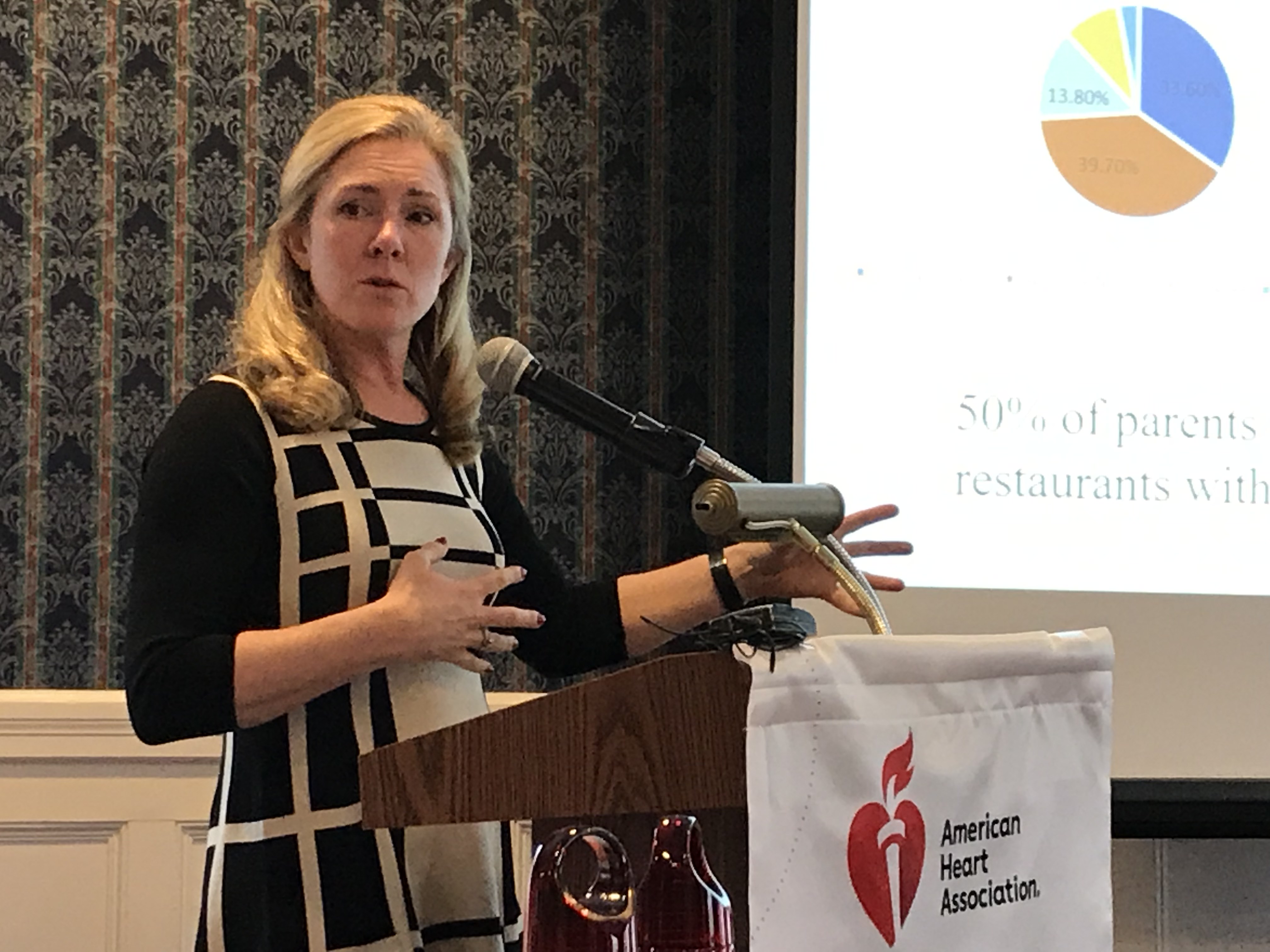
But the American Heart Association’s Vermont chapter isn’t giving up on the issue. On Wednesday, the association convened experts and interest groups to argue that tougher state regulations are needed to improve the quality of restaurant offerings targeted at kids.
“We feel that there should be a comprehensive effort to address obesity and diet-related diseases. It wasn’t one thing that caused this problem, and it won’t be just one thing that will fix it,” said Tina Zuk, Vermont government relations director for the heart association.
She added that “we see restaurant kids’ meals as a really critical part of that puzzle.”
A recent national survey from the Robert Wood Johnson Foundation found that 13 percent of Vermont’s youth between ages 10 and 17 are obese. The foundation’s Vermont statistics also show a 14 percent obesity rate among 2- to 4-year-olds who are enrolled in a supplemental nutrition program known as WIC.
Neither of those rates put Vermont among the worst states in the nation. But health providers and advocacy groups are concerned that obesity rates among children will increase as they become adults, leading to corresponding increases in chronic health problems like diabetes, high blood pressure and heart disease.
The effects of increased childhood obesity and poor eating habits already are showing.
“I see children and adolescents with Type 2 diabetes, which used to be so rare in children that I didn’t even learn about it in medical school,” said Dr. Barbara Frankowski, a Burlington pediatrician who has been active in national and state efforts efforts to improve children’s health.
“I see preschoolers who have to have most of their teeth pulled because of dental (problems),” Frankowski said. “I see school-aged children who are at a higher risk of being bullied because of their weight, and that’s something we often don’t think about.”

Speaking at Wednesday’s heart association meeting, Frankowski acknowledged that “the obesity epidemic is extremely complicated, and we can’t blame it all on sugary beverages.”
But she and Margo Wootan of the Washington, D.C.-based Center for Science in the Public Interest argued that those beverages and the unhealthy meals they often accompany are having a corrosive effect on children.
Wootan said Americans are spending more money on restaurant food than they do on food consumed at home. Children get 25 percent of their calories from eating out, and that is “a problematic part of children’s diets,” Wootan said.
“When kids eat out, they’re eating more calories, more saturated fat, more added sugars, and they’re eating less of the things that are good for them – fewer fruits and vegetables and low-fat dairy products,” she said.
Wootan said sugary drinks – which includes soda and other beverages like fruit drinks with added sugar – are major contributors to the problem. The heart association recommends that children over age 2 should have no more than one 8-ounce sugary drink weekly, but the association says nearly two-thirds of U.S. kids have at least one of those drinks daily.
“They are the top source of calories in Americans’ diets – more than any other food,” Wootan said.
During the Vermont Legislature’s 2018 session, the heart association was among the groups lobbying for S.70. That bill initially was an attempt to regulate the amount of calories, sodium and fat in children’s meals, and it also sought to exclude sugary drinks as a beverage option.

While the heart association had enlisted support from some restaurateurs, S.70 spurred worries about increased regulatory burdens and costs. Groups like the Vermont Chamber of Commerce, the National Restaurant Association and Gov. Phil Scott’s administration expressed concern about the bill.
A weakened compromise version of the bill won approval in the Senate by dropping all food-related provisions and mandating only that healthier beverages be the “default” choice for kids’ meals. But the measure did not advance in the House.
Zuk pledged that “we will pursue restaurant kids’ meal legislation again this upcoming session.”
“We also want to do a better job of telling legislators, ‘This is a really big problem, and there’s a sense of urgency,’” Zuk said.
Zuk said the association’s efforts will encompass more than sugary drinks.
“I think we’ll start with the entire meal and see if we can get that,” she said. “Obviously, the beverages are a big culprit in this crisis. But if we could get the meal itself to meet the (nutritional) standards, that would be fantastic. It would be a great start to changing norms.”
But even changing the default beverage for children’s meals could have an effect, advocates say.
“We have to get out of this mindset that there’s a neutral choice,” Wootan said. “Somebody is deciding what the default is, and when it comes to restaurant children’s meals, the restaurant is deciding.”
