


[F]or years, Vermont’s largest medical cannabis business has struggled with mold infestations on its cannabis plants, but the potential consequences for thousands of patients remain unknown, as state quality control regulations in the industry don’t exist.
According to five former employees of Champlain Valley Dispensary (CVD), which serves patients with conditions ranging from cancer to auto-immune disorders, mold issues have been a frequent problem and management has been slow to address the infestations until employees repeatedly urged them to do so.
Employees said that in some cases, the company declined to dispose of moldy cannabis, and extracted tetrahydrocannabinol from it. THC, the psychoactive chemical in the plant, is used in cannabis edibles, smokable oils and other products.
The former employees spoke to VTDigger on the condition of anonymity, fearing reprisal from the dispensary. Most employees signed non-disclosure agreements with the company as a condition of employment. None of the five who were interviewed currently works in Vermont’s medical cannabis industry.
CVD executive director Shayne Lynn would neither confirm nor deny that the dispensary has had mold infestations, but said if the problem was as widespread as former employees have claimed, the firm would have heard complaints and received notification from the state.
Lynn, who also heads up a cannabis industry consultancy, said that in its six years of operation the company — which serves about 4,000 patients — hasn’t received any complaints about the quality of its product.
The Department of Public Safety, which is tasked with regulating the industry, has not received complaints from patients or employees about mold contamination at CVD, according to Jeffrey Wallin, director of the Vermont Crime Information Center.
However, former cannabis cultivators who worked in the dispensary’s two grow operations — in Milton and South Burlington — from 2016 until earlier this year, said they were concerned contaminated products were making it to patients.
“There were a lot of times when it was questionable,” one former cultivator said. “If it was my personal grow, that would be unacceptable.”

“There was a lot of concern that patients were ingesting product with mold, especially high-risk patients with cancer, and immunocompromised patients,” another former cultivator said.
While past employees say CVD has contended with mold and mildew issues, state oversight of medical cannabis quality has been minimal. In Vermont, unlike other states that have legalized medical cannabis, product testing is only carried out by laboratories owned and operated by dispensaries themselves. In other states, laws mandate independent testing and cultivation standards.
In an interview, Lynn said he has advocated for increased regulation, and would embrace state testing and legal guidelines for the industry.
“Right now, I believe we have the best interests of patients at mind when we are producing our products, and if it needs to be different then I welcome standards and want that,” Lynn said.
While CVD conducts in-house testing on its products, its tests focus on the potency of cannabinoids, like THC. The dispensary does not test for contaminants.
Many states, including Florida, California, Washington, Colorado and Connecticut, require third-party testing of cannabis dispensary products. In these states, independent testing for contaminants such as fungus, pesticides, herbicides and other foreign substances is mandatory.
Mold and mildew contamination has been a chronic and common problem for cannabis cultivators across the country, with industry experts searching for methods to mitigate infestations.

Donald Land of the Steep Hill laboratory in Berkeley, California, a leading center of research on cannabis analysis, who is a professor of chemistry at UC Davis, said mold contamination is common in the medical cannabis industry. Between 20 and 30 percent of cannabis samples contain significant amount of mold, according to Land.
Researchers say that consuming cannabis contaminated with mold doesn’t pose a serious health risk to most people. However, some research shows that for those with compromised immune systems, it can be dangerous.
A 2017 study by scientists at UC Davis suggests mold contaminants in cannabis are potentially fatal for people with leukemia, lymphoma, AIDS or other conditions requiring immunosuppressive therapies.
Cary Giguere, the agrochemical program manager at Vermont’s Agency of Agriculture, who has recommended pesticides for the medical cannabis industry in the state, said that anecdotally, all of Vermont’s dispensaries have grappled with mold. But CVD is the only dispensary to explicitly ask the department for fungicide recommendations to combat it, he said.
Former CVD employees said that mold was an issue throughout the grow operation in 2016, but that conditions have steadily improved since then.
But improvement hasn’t come without a struggle between the cultivators and management, who have been reluctant to make systemic changes to the grow operation, according to employees.
Three former employees said they or others brought their concerns to management, but met resistance.
To try to mitigate mold, they made recommendations to improve ventilation in the grow rooms and to add humidifiers. But changes were adopted slowly, they said.
Former employees also said that sometimes, cannabis plants heavily infested with mold would not be thrown out, but instead used for THC extraction.
“It could have been the moldiest bud I’ve ever seen and it was used,” one former cultivator said.

Land, of UC Davis, said that while this type of extraction does sterilize the plant it can also concentrate secondary fungal toxins, called mycotoxins, which can cause disease in humans.
Lynn said that if employees seriously believed mold issues were problematic, they would have filed complaints with the state.
“I think if it was at that level that they should have probably gone to the [Department of Public Safety] and reported that and said that to them directly,” he said.
Though DPS is the only department in charge of regulating the medical cannabis industry, it only has authority over licensing and patient access to products.
Lynn did not directly comment on whether it was proper protocol to use moldy cannabis for extractions.
He stressed that the dispensary has a series of stringent protocols in place to prevent contaminants.
The dispensary has grown mold-resistant cannabis strains, conducts air quality tests in its growing facilities and thoroughly inspects products before they’re sold, according to Lynn. This year, the dispensary also hired a quality control manager.
For now, it is impossible for the public to know the extent to which Vermont’s medical cannabis is contaminated by mold, or other substances.
A panel in the final stages of crafting recommendations for how Vermont could tax and regulate a legal market for cannabis, released a draft of its recommendations earlier this month.
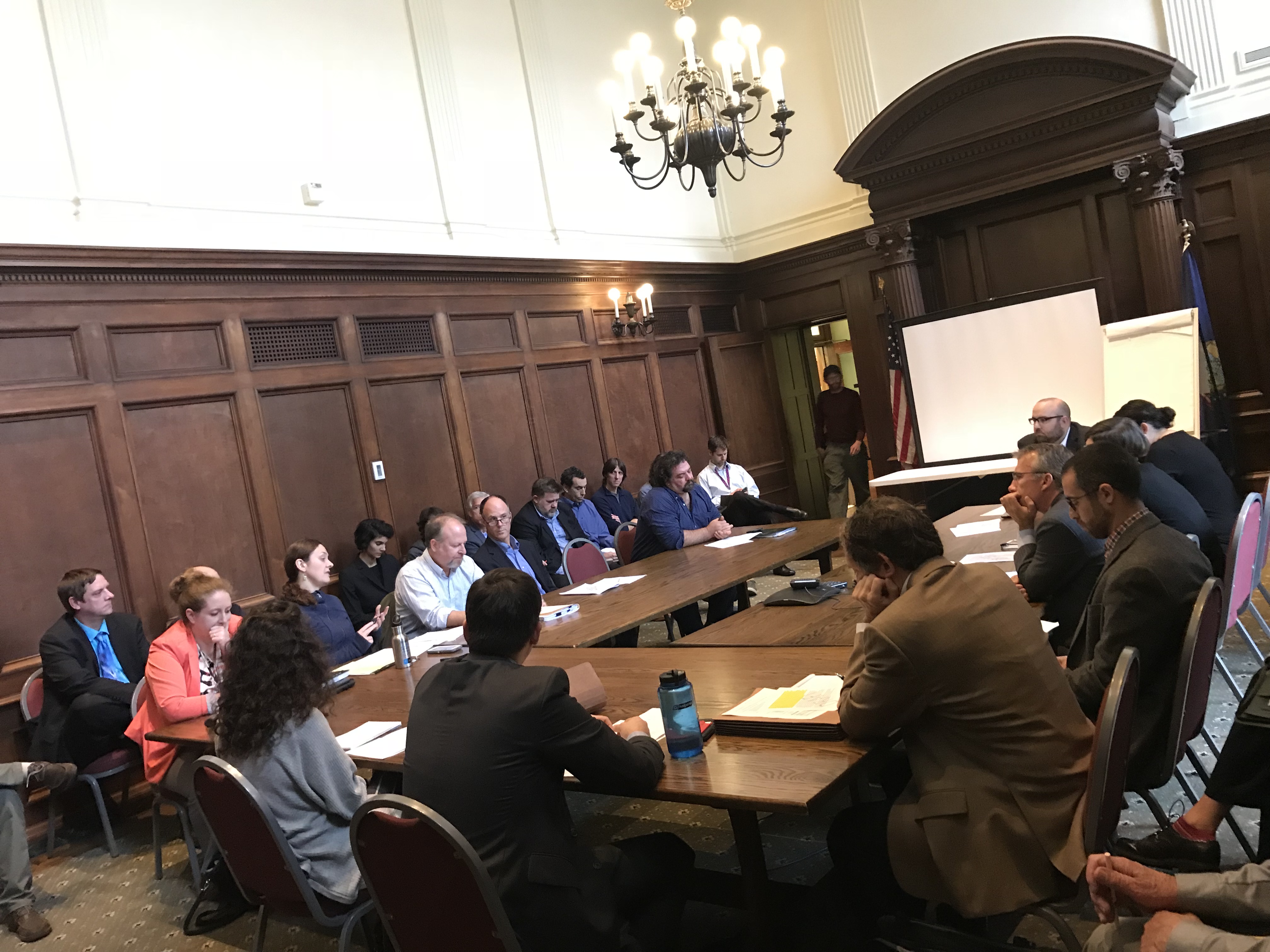
The panel suggests that lawmakers require independent testing for recreational cannabis. The draft report also includes several recommended changes for the medical cannabis industry in the state, but does not recommend independent quality control testing.
While Vermont remains among only a handful of states that don’t require independent testing, other states are tightening their regulations.
Just this year, California adopted new rules for its medical cannabis industry, including strict standards limiting the amount of contaminants, including mold, that can be present and sold in medical products.
“Testing adds value from the standpoint of you know what’s in it,” Land said. “For anything else that you would put in or on your body, some level of quality assurance and quality control to make sure that good manufacturing or good agricultural practices are in play is part of the process.”
Some of the former employees of CVD said they’d like to see Vermont adopt independent testing of medical cannabis products to ensure quality for consumers.
“It’s really the fox being in charge of the hen house,” a former employee said.
Although Lynn said he believes CVD already has the “highest” standards for its grow operations, he welcomed state oversight.
“Right now it’s left up to us to say, ‘This is what is acceptable,’” he said. “If it’s not, I’d like the state to tell me that’s it not.”
