


[W]ith thousands of people now enrolled in Vermont’s “hub and spoke” program for opioid addiction, officials are increasingly focusing attention and resources on the thousands who aren’t.
A new $525,000 federal grant will allow a key opioid-dependence program – Burlington-based Safe Recovery – to directly help that “harder-to-reach” population.
The grant, announced Monday by U.S. Sen. Patrick Leahy, D-Vt., means Safe Recovery can offer same-day medication-assisted addiction treatment. It’s part of a statewide effort to more quickly link Vermonters with the treatment they need in order to decrease overdose rates.
“For my staff, being able to offer treatment on demand changes everything,” said Grace Keller, Safe Recovery director. “We got into this work to say yes and to help people.”
Though Safe Recovery is based in Chittenden County, it has statewide reach: The 5,113 people who participate in the program’s syringe exchange come from every county in Vermont.
Safe Recovery – a program of the Howard Center – also offers a variety of other services including counseling and connections to treatment programs; HIV and hepatitis C tests; hepatitis A and B vaccinations; and overdose-reversal kits containing naloxone.
Safe Recovery has given out 20,000 doses of naloxone in the past five years, and clients have reported using that reversal drug more than 1,300 times.
Despite those programs and others across the state, the number of fatal opioid overdoses continues to climb, albeit at a lesser rate than in previous years. The latest state statistics show a 5 percent increase in opioid-related deaths, from 96 in 2016 to 101 last year.
Officials have been particularly alarmed at the rise in fentanyl-related deaths, which increased by more than a third in 2017.
When it comes to treatment options, “we know that Vermont does better than many states in this regard,” Leahy said. “We also know the rise of fentanyl, along with other illicit drugs, challenges our progress.”
The new federal grant for Safe Recovery, Leahy said, “is going to help close a critical gap” in the state’s treatment system.

The money will allow staff to provide clients with buprenorphine, also called Suboxone, “until they are successfully integrated into the traditional hub and spoke method” of medication-assisted treatment, Leahy’s office said.
State officials report that there are no wait lists at the hubs currently. But advocates say offering immediate buprenorphine at places like Safe Recovery can save lives by reaching those who, for whatever reason, have not gotten treatment elsewhere.
“The decision to seek treatment can be fleeting, and we want to capitalize on that moment,” Keller said.
Through the federal grant, “we will ensure that when the client is ready, the system is ready,” she said. “Having the program embedded in the syringe exchange meets clients where they are and makes the first step into treatment much easier.”
Burlington Mayor Miro Weinberger said treatment advocates have been pushing for lower-barrier buprenorphine options.
“Every six to eight hours, someone who is addicted to heroin or another opioid is likely to be dosing themselves,” Weinberger said. “And every time they do so, there’s an opportunity for an overdose death.”
If more Safe Recovery clients have an opportunity to access faster treatment, “we think we can save hundreds more people,” Weinberger said.
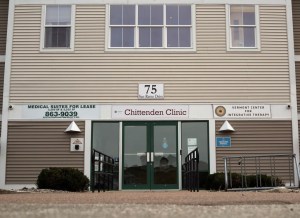
The same logic applies at University of Vermont Medical Center, which is in the process of making buprenorphine available to emergency room patients for the first time. Such prescriptions may be available to overdose patients or others who have been diagnosed with opioid use disorder, hospital spokesperson Annie Mackin said.
“Over the past several years, we have been able to connect patients with life-saving medication through our Addiction Treatment Program and our primary care practices,” Mackin said.
“We believe it’s vital that we continue working with the community to get more people into treatment,” Mackin said. “The Emergency Department is an important entry point, and this is the next step in removing barriers so that patients who are ready to access treatment can receive it.”
Central Vermont Medical Center started the same program several weeks ago, Mackin added.
At Safe Recovery, Keller said the federal grant will help support treatment even for clients who may not be able to move on to the state’s hub and spoke setup.
“For the clients that cannot fit into the traditional hub and spoke system, or have burned all of their bridges, we will keep them at Safe Recovery and work to stabilize them,” Keller said. “We will be the unburnable bridge to treatment.”
Among the staff members helping Safe Recovery clients will be Dr. Kimberly Blake. She has a personal connection to her work: He son died from an overdose last year at age 27.
Blake said her son used needle-exchange services before his death.
“I feel like that is a place where people go, and they might consider treatment instead of using that day,” Blake said. “And I’m so grateful to have the opportunity to help somebody through that journey.”

