

Editor’s note: This article is by Keith Whitcomb Jr., of the Bennington Banner, in which it was first published on May 19, 2015.
BENNINGTON — Following an inspection that found zero deficiencies, the Vermont Veterans’ Home will no longer be under additional federal and state scrutiny.
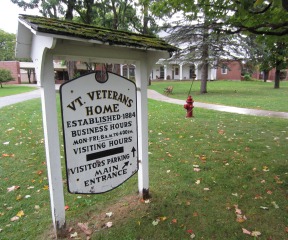
In 2012, the home was in danger of losing its Medicare and Medicaid funding after an annual inspection turned up a number of problems. As with any deficiencies, the home was required to create and follow through on action plans to correct them, which it did.
Veterans’ Home administrator Melissa Jackson said the home was also subject to two additional annual inspections, to be completed within 18 months of each other. They involve one inspector from the Centers for Medicare and Medicaid Services (CMS) and four from the state Division of Licensing and Protection of the Agency of Human Services, Department of Disability, Aging and Independent Living.
CMS relies on the state agency to conduct its inspections. CMS sends an inspector because the Vermont Veterans’ Home is run by the state.
The inspections are unannounced and last three days, said Jackson. They look at all aspects of the home’s operation, including financial, food, nursing, and safety.
The last inspection ended April 22. The home learned last week it would not longer be under additional scrutiny.
Jackson, who has been in the nursing home care industry for 20 years, said it’s extremely rare to have an inspection turn up no deficiencies.
Since the threat of losing federal dollars, which account for most of the home’s funding, loomed, the organization has changed its approach. Jackson said it’s more of a team effort now, with employees at all levels giving feedback on programs that are constantly being tweaked and improved.
Jackson said the inspection results are especially impressive if one considers the discussions being had in Legislature about the future of the home’s state funding. Currently the home gets about $5.4 million from the general fund, which Jackson said it needs in order to remain open. The state has been looking for ways to reduce the home’s reliance on this money. Proposals to reduce the need for the fund included changing how the home is managed, and while the option to close it was acknowledged to be extremely remote, it was on the table.
Jackson said the home’s employees were able to tune all of this uncertainty out and do their jobs especially well.
