

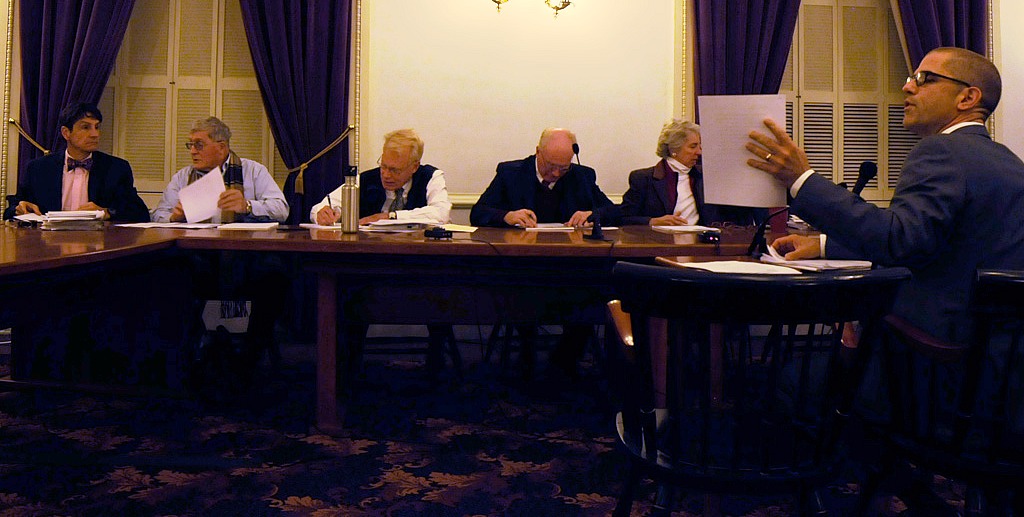
Representatives from nonprofit schools, arts groups and charitable organizations testified on Monday against proposed changes to Vermont’s property tax exemption regulations.
Lawmakers and other stakeholders on the Property Tax Exemption Study Committee said the information could lead to potential improvements to their draft legislation.
Sen. Kevin Mullin, R-Rutland, said a bill would be submitted to the committees of jurisdiction — House Ways and Means and Senate Finance — this session.
“Basically (we) put forward the fact that there are inequities in the current system that should be addressed, and if we can clean the system up then we should try to find a way to do that,” Mullin said.
The draft legislation would require public and charitable nonprofits to certify their tax-exempt eligibility and work with municipalities to negotiate agreements. Pious organizations such as churches, synagogues or religious societies would retain their property tax exemptions under the proposal.
Nonprofit organizations receive state and municipal services and are not required to pay property taxes. Small towns have little negotiating power with some large nonprofit institutions, such as private colleges, according to Steven Jeffrey, the executive director of the Vermont League of Cities and Towns.
Marc Mihaly, the president of Vermont Law School, and Susan Stitely, president of the Association of Vermont Independent Colleges, told the panel that most schools work out amicable service trades with towns.
They warned that “fiscalizing,” or requiring either party to put a dollar value on what they give or receive — would threaten the relationship between towns and schools.
Jeffrey argued that small towns and the nonprofits they host are not on an even playing field.
Towns may ask nonprofits for compensation in any form, such as voluntary payments in lieu of taxes, Jeffrey said, but there is no requirement that the organizations negotiate with towns, much less chip in.
Mullin said the draft legislation would require organizations and municipalities to come to agreements or codify existing arrangements. The bill does not mandate PILOT payments.
“What’s the objection to a process where they sit down and talk?” Mullin asked Stitely. “We’re not requiring that they must make an assessment.”
“It’s a matter of local control,” Stitely replied.
Local control is what puts some arts organizations on edge.
Jody Fried, executive director of Catamount Arts in St. Johnsbury, said the politics of local officials in many tiny Northeast Kingdom towns can swing from year to year.
“If we’re talking about putting those kinds of organizations essentially on the ballot … then I think there’s a real risk to services being provided in the Northeast Kingdom, and to the most (needy) population,” Fried said.
Rep. Alison Clarkson, D-Woodstock, said after the hearing that she’s sympathetic to nonprofits, but with the pressures of rising education costs and declining student enrollment, the property tax base needs to be broadened.
Editor’s note: This story was updated at 5:29 a.m., 5:45 and 11:58 a.m. Dec. 17.
