Editor’s note: This article is by Angelique Lee, a resident of Pittsfield.
Other than worrying about getting heating fuel and gasoline in here, road conditions in the winter, whether or not you can get to work or can keep a business afloat that you can’t get to, losing power and communications in the upcoming rain and being separated from our kids so they can live elsewhere to go to their schools, it is paradise. I’m NOT being sarcastic.
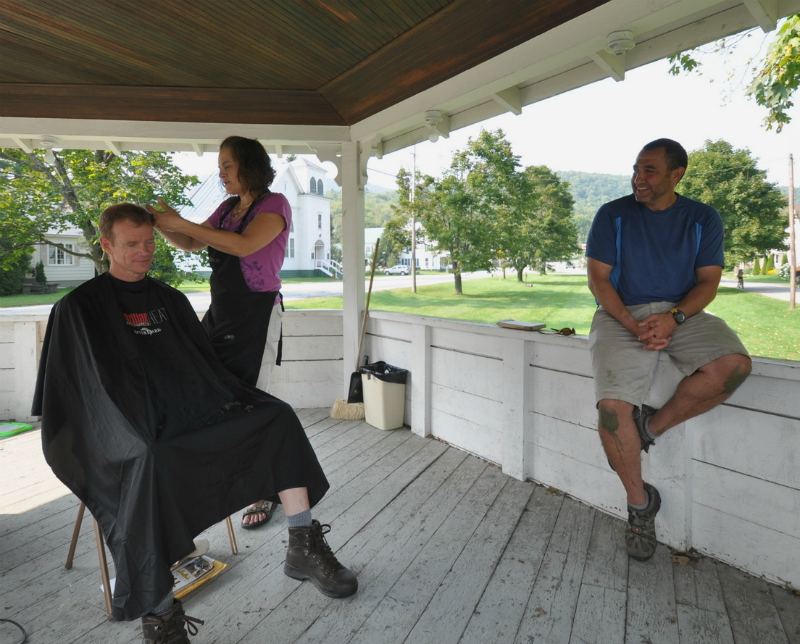
Everyone walks, rides their bikes, smiles, waves, introduces themselves, offers help, It is like we live in the 1800s — but with electricity. Our morning town meetings are full of grace, good humor and respect for the folks who are guiding us through this.
Route 100 through town has very minimal traffic; we went from getting rattled by 18-wheelers day in and day out, and being hyper vigilant about road safety, to letting our kids play freely on the village green again.
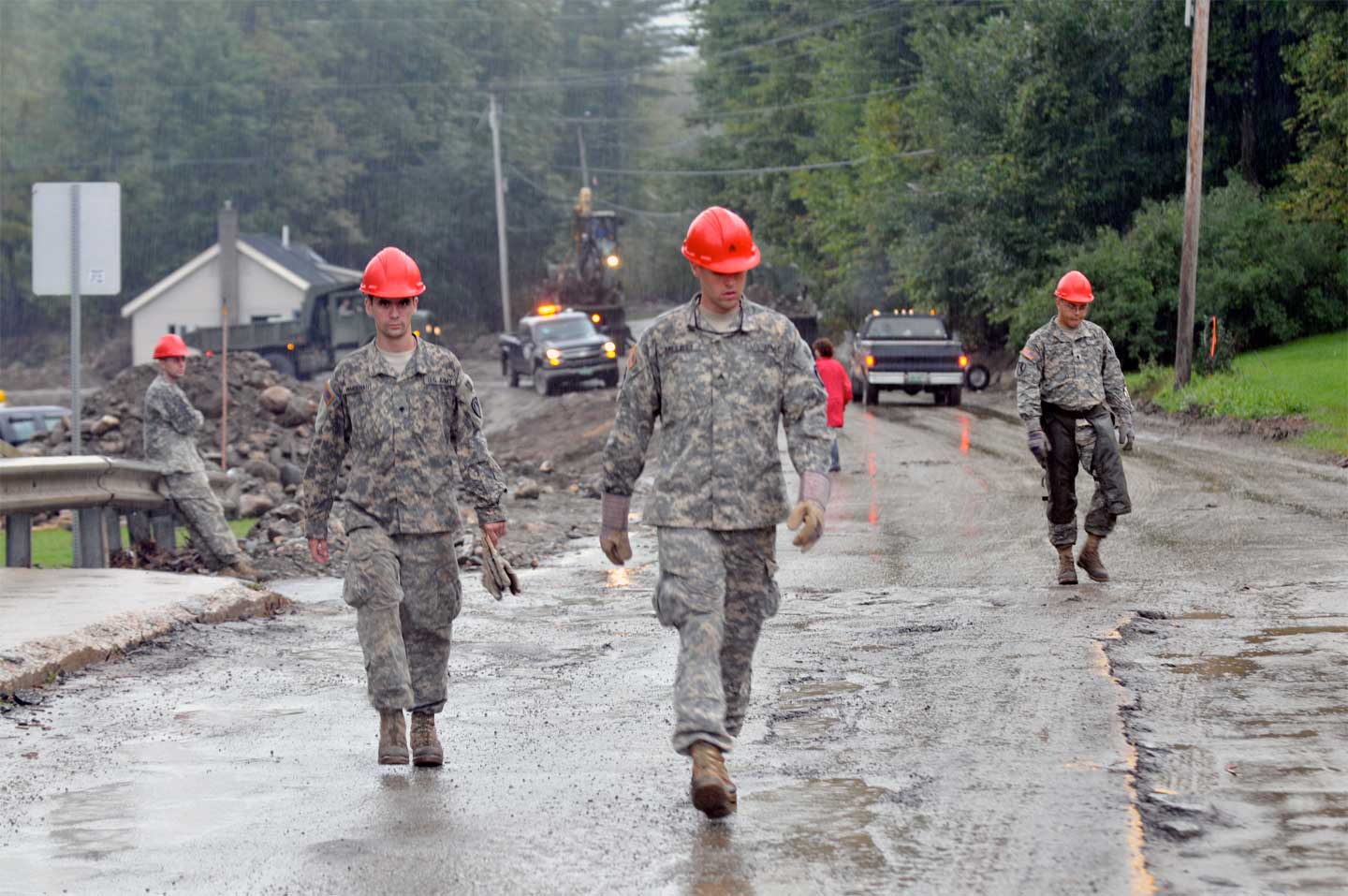
We are more connected to each other than ever. While we were working at a breakneck pace to re-establish households and share gasoline, electricity, propane, food, medical needs, clean-up duty, outside communications, accounting for every citizen, FEMA paperwork, (and the list goes on) we didn’t have time to judge each other negatively, and as a result we were all mightily impressed with our neighbors.
We’ve relearned to expect and appreciate the best in each other. It may sound crazy, but the combination of enduring a crisis and the disparity of speed and slowness a crisis brings inspires that sort of community response — if you are willing to trust.
We are now a town with a school and medical clinic, two things we did not have before. Our shopkeepers extended credit to everyone when the lights went out and the roads closed, even those they knew would never pay the bill. Local farms give away produce, and residents of our neighboring town of Chittenden have brought us to tears with their generosity.
Life is strange and oddly stressful, but it sure is good.

The coming exodus
After the flood, the traffic stopped on Route 100, which borders our Village Green. Children flocked to the green on their bikes, and suddenly our town resembled the Vermont I grew up in. Lots of bike riding, and smiling, and multi-age groups of kids spending these gorgeous sunny days together, just being kids. We have been feeling very blessed that our children stayed safe through the flooding, but that doesn’t take away the sting of what is coming next for many families in town.
The children are starting to leave. Our kids go to schools in several surrounding communities, but now the roads are hazardous and the commutes long. Parents of older children are placing their kids in homestays for the week with generous families “on the other side;” or even finding new housing for the whole family, so they can have a reasonable commute to school.
We don’t know how long our kids will be gone from their own homes. What if it is through the winter, because they can’t possibly repair all of the roads and bridges? What if the weather is bad at the end of the week and we can’t get through to see them on the weekends?
It all happened so fast – we moved from crisis mode throughout the past week to sustainability mode, seeking some new version of normalcy. For the kids, that means wanting to be with their peers in school, away from the stressed adults. For the parents, it means letting our kids suddenly become boarding students with little time to prepare ourselves for their abrupt departure before the coming rains.
The desire to hold your family close during the uncertainties brought by the floods is so powerful, so visceral that going against such impulses makes it hard to welcome the new normal.