
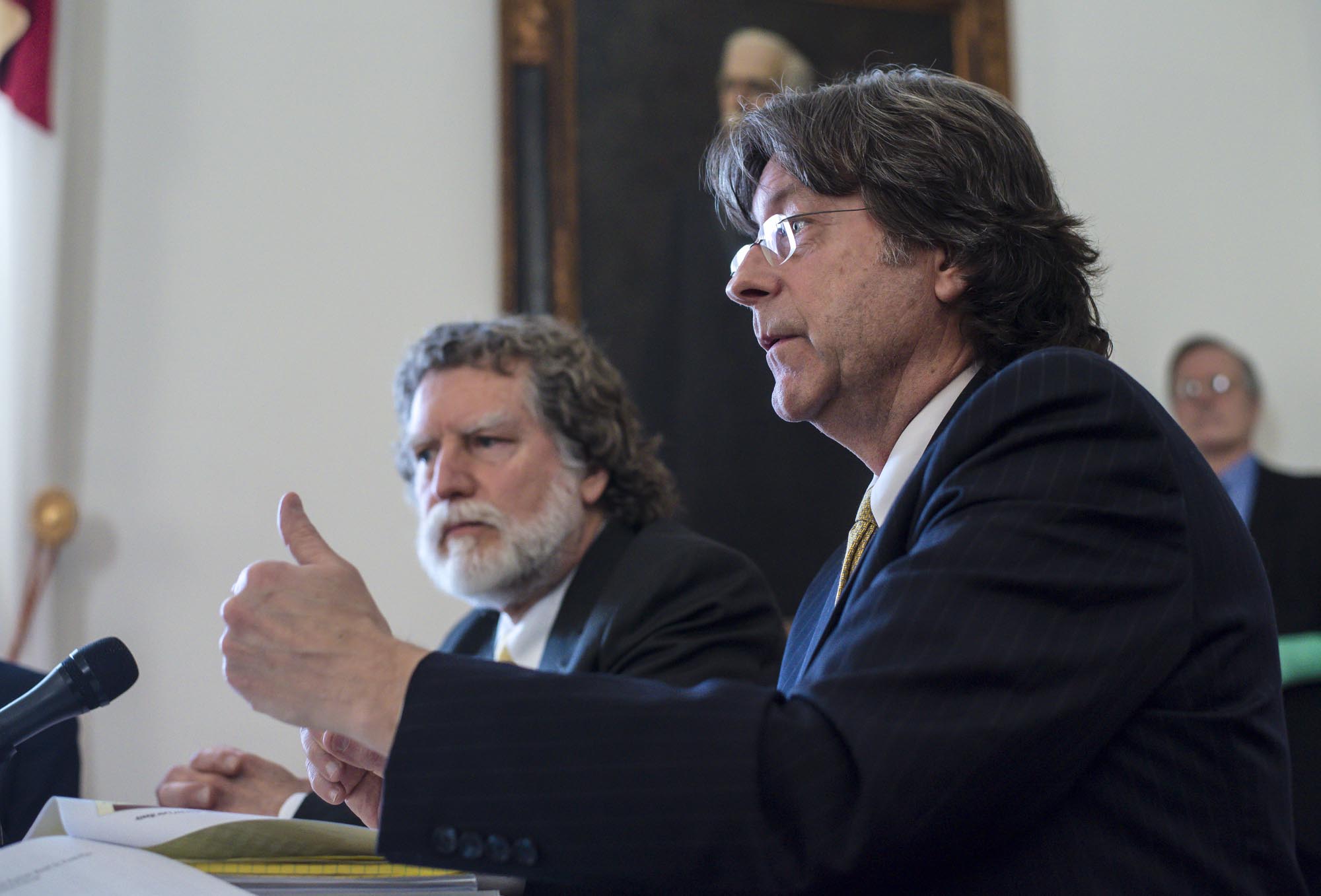
What a $15 minimum wage would mean for Vermont
A three-part series on the potential effects of raising the Vermont minimum wage
The Vermont Legislature is considering a minimum wage increase from $10.78 an hour to $15 an hour by 2024. But Senate leaders have signaled a willingness to compromise on a more gradual timeline.
In our series, VTDigger examines recent studies and queries of business owners and others on the possible impact of such an increase. We also explored data – including which jobs and regions would be most affected – presented in a series of charts.
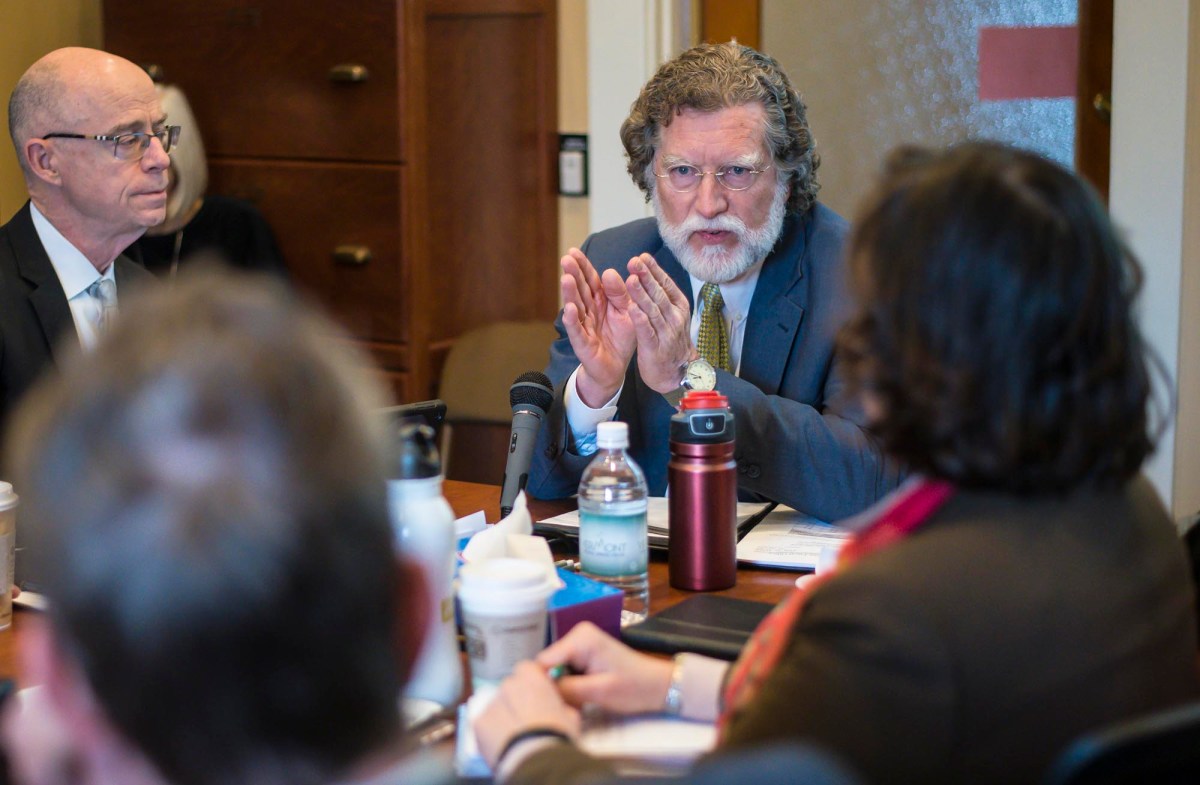
On minimum wage, what we know is that we don’t know
Wage increases of a similar size as the one proposed in the Vermont Legislature that have been implemented in other areas are so recent that it’s too soon to use them as guides for what might happen in the state as a result.

For farms, minimum wage is just one small piece of survival puzzle
Some economists say that small farms are particularly vulnerable to wage mandates, because they often are already struggling with low commodity prices and rising competition from more efficient operations.
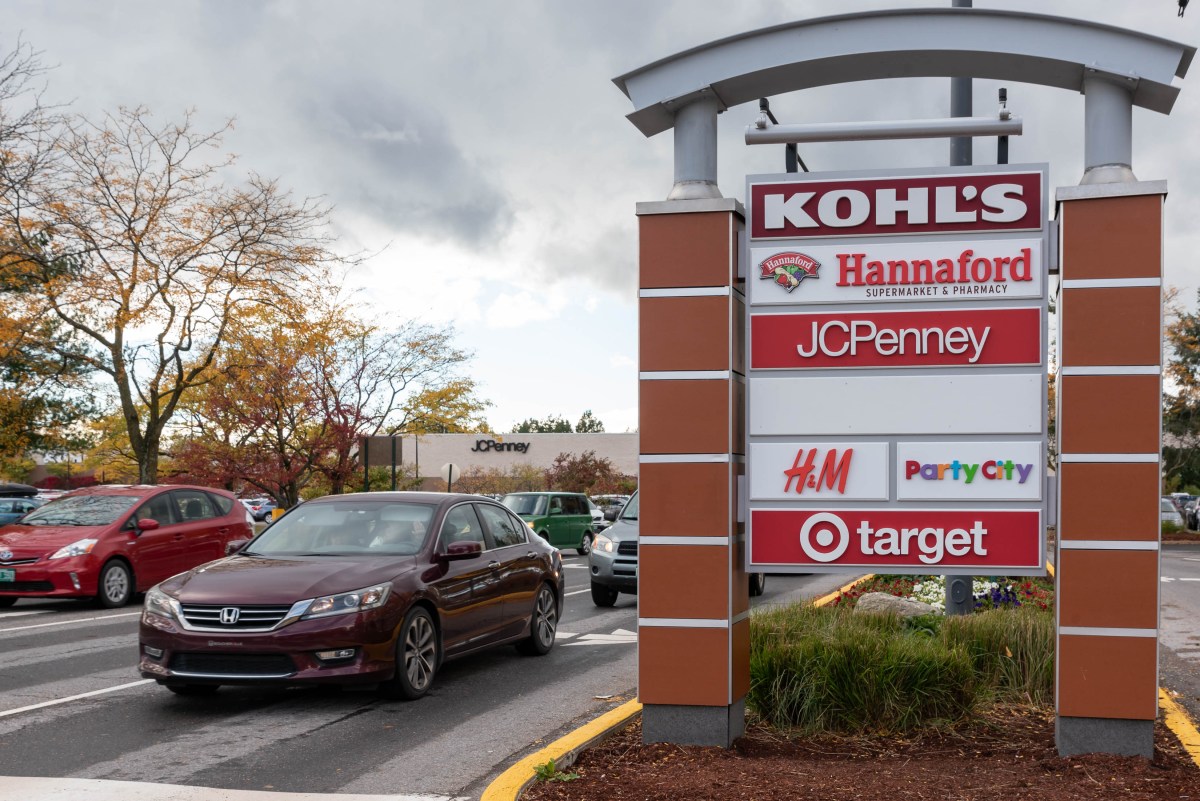
For retailers and restaurants, minimum wage talk hits hard
Many business owners in Vermont say the minimum wage discussion doesn’t apply to them, because nobody in their company is making less than $15 now — but that’s not the case in the retail and hospitality industry.
The Data
Part 1: On minimum wage, what we know is that we don’t know
Minimum wage real value decline
Nominal and inflation-adjusted minimum wage value in Vermont, 1938-2018
Part 2: For farms, minimum wage is just one small piece of survival puzzle
Impact on agriculture businesses, by county
Share of low wage workers and average hourly wage, 2018
Part 3: For retailers and restaurants, minimum wage talk hits hard
Retail jobs affected in 2024 by subsector
Percent of jobs in NAICS subsectors projected to be affected in 2024
