


“It’s impossible to find anything. It’s on a million different websites… or it’s on Facebook, and Facebook is terrible at providing this information.”
We heard versions of this again and again from Vermonters this fall.
Through our Dirt Road News project, VTDigger set out to listen to younger and rural residents across the state. From August through October 2025, we hosted events, partnered with community ambassadors and shared a short survey online and in print.
More than 2,200 people responded. Most were under age 50, and nearly all lived in rural or small-town Vermont.
What we heard was consistent: people want local news. But too often, they can’t find it, don’t see themselves in it or don’t feel like it was made for them. At the same time, many respondents described VTDigger as a trusted source of Vermont news.
Meeting people where they are
The voices we hear from most tend to shape the conversation. We wanted to reach more people, especially those who don’t always see themselves reflected in local news.
Earlier surveys brought in strong responses, but they skewed older. With Dirt Road News, we made a deliberate effort to connect with younger Vermonters and people living outside the state’s population centers.
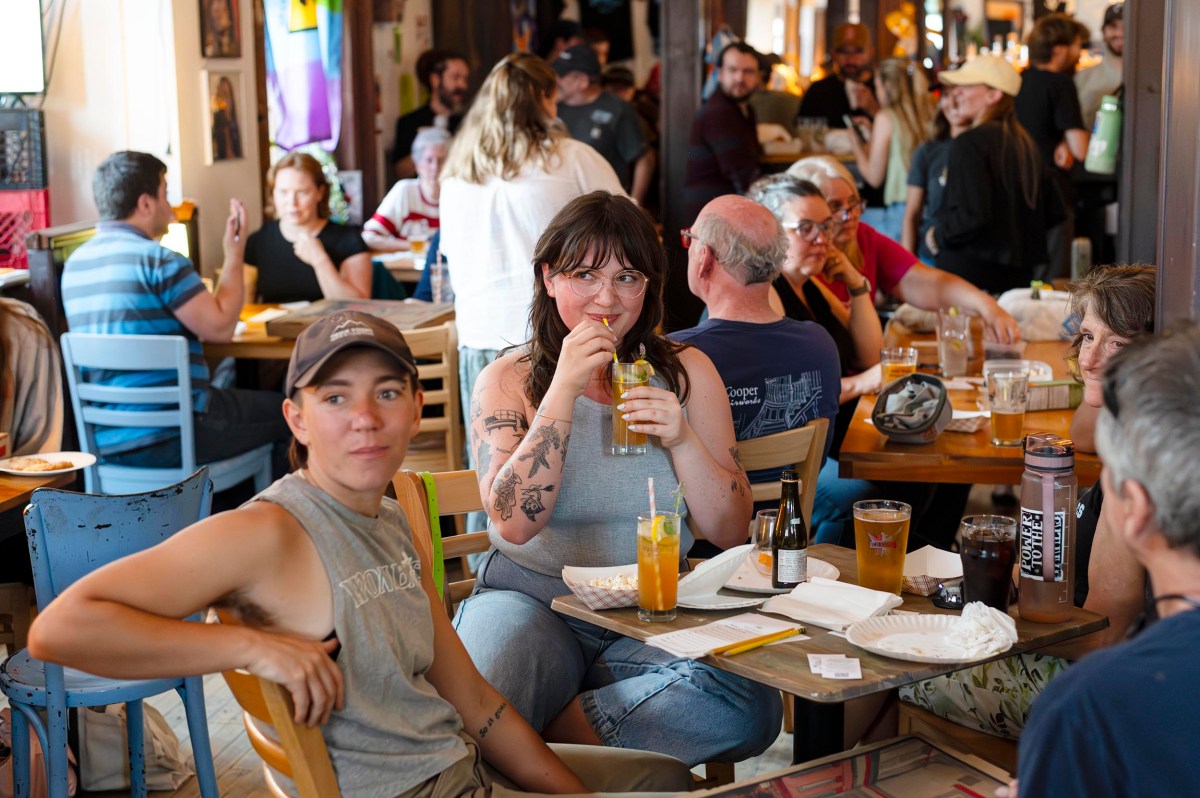
That meant showing up in person: at trivia nights, community spaces and local events, and working with 12 community ambassadors who helped us reach people in their own towns across Vermont.
The ambassadors were local connectors who shared the survey, tabled at events, talked with neighbors and helped us understand what people in their towns were hearing, needing and noticing.
We made participation easy with a short survey, available online and on paper, designed to take just a few minutes.
The result was a very different audience than we usually hear from, and a clearer picture of what’s missing.
It’s hard to find out what’s happening
More than half of respondents said they struggle to find out what’s going on locally.
Information is scattered across social media, listservs, bulletin boards and word of mouth. Important updates, about events, decisions or emergencies, often arrive too late or not at all.
“It’s hard to find all the ways information is communicated here (listservs, local bulletin boards, word of mouth) vs more traditional ways like social media, websites, etc.”
For many, staying informed means piecing together bits of information from multiple places, with no single, reliable source.
Social media fills the gap, even when people don’t trust it
About 90% of respondents said social media plays some role in how they get Vermont news.
People rely on it because it’s where information shows up first, especially for events and hyperlocal updates. But many also described it as unreliable, incomplete or exhausting.
“I hate Facebook, but it’s hard to keep up… without literally just following my neighbors and local groups.”
Social media isn’t necessarily what people want to rely on, it’s often what’s most readily available. Here’s how respondents answered:
People want to see their towns in the news
Whether people engage with news often comes down to one question: Is this about my community?
Many respondents said statewide coverage can feel distant from daily life, especially in rural areas.
“90% of news reported is not relevant to us down here below Route 4.”
“It’s almost never about me and what I care about.”
Again and again, people told us they want more coverage of their towns, their neighbors and the issues that affect their day-to-day lives.
Make it useful, not just shorter
Preferences for story length were split almost evenly between shorter and longer formats.
What mattered more was usefulness.
People want news that is:
- Easy to understand
- Grounded in context
- Directly relevant to their lives
That includes both quick, accessible updates and deeper reporting that explains complex issues.
It’s not about making everything shorter. It’s about making it clearer and more helpful. That divide is reflected in the data:
Daily life in Vermont shapes what people need from news
When we asked what journalists should understand about their communities, many respondents pointed to the realities of living in Vermont today.
Housing costs, limited job opportunities and rising expenses came up again and again.
“It’s hard to have grown up here… but still not be able to afford a home here.”
These challenges aren’t separate from the news, they shape what people pay attention to, what they worry about and what information they need most.
A desire for broader and more balanced coverage
Many respondents said they want to see more of their communities reflected in local news, both geographically and in terms of lived experience.
“Too much news focuses on the State House and on Burlington and not the rest of Vermont.”
Others asked for more coverage of everyday community life, including events, small businesses and positive developments, alongside accountability reporting.
“As much as we need to hear the bad and the controversial, I LOVE positive stories.”
What we’re taking from this
Across responses, a consistent message emerged:
Vermonters are hungry for news, but often overwhelmed and underserved.
Information is fragmented. Coverage can feel uneven. And many people, especially in rural communities, don’t see themselves reflected in the stories being told.
At the same time, many respondents described VTDigger as a trusted, reliable source, and there’s a clear appetite for journalism that is local, useful and grounded in real life.
What comes next
The Dirt Road News project is already shaping how we think about the stories we tell, the information we share and the ways we reach people across Vermont. The trust respondents expressed in VTDigger, along with the feedback we heard, will guide how we continue to show up for communities across Vermont.
Some of the questions we’re exploring next:
- How can we better cover rural communities across the state?
- How can we make information easier to find and understand?
- What would a more useful, accessible “local information hub” look like?
- How can we meet people where they already are, without relying solely on social media?
This project was also a test of a different kind of listening: one that happens in person, in community spaces and through local relationships, not just online.
We’re continuing to build on that approach.
Thank you
We’re grateful to everyone who shared their experiences and perspectives.
We thank our 12 community ambassadors, who helped make this project possible by connecting us with people and places we would not have reached otherwise. Those ambassadors include:
Amanda Koennicke, Derby
Ian Hefele, Vernon
Justin Marsh, Cambridge
Katie Moritz, Barnard
Kelsey Pasteris, Hinesburg
Stephanie Berzins, Perkinsville
We also thank the Lenfest Institute and the Google News Initiative for supporting this project.
Your voices are shaping what we do next.
