Federal workers will scatter sweet-tasting pellets from planes and helicopters over Vermont in the coming days.
The airdrop is part of a mission to prevent rabies.
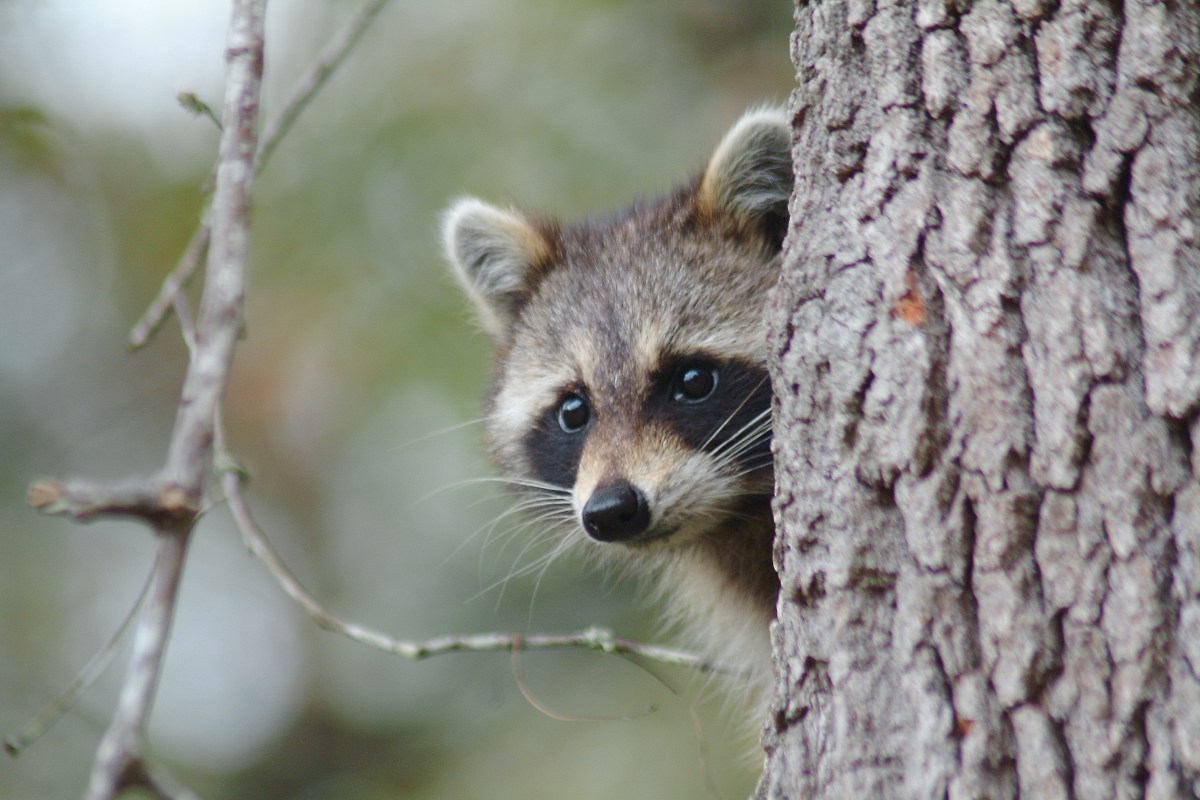
A collaboration between the U.S. Department of Agriculture and Vermont health and wildlife authorities will try to get more wild animals in the state, particularly raccoons and skunks, vaccinated against the disease.
While there has long been a push to vaccinate wild animals in Vermont against rabies, the state has redoubled its efforts since 2022 in response to an increase in cases. This year, state and federal officials will distribute more than 900,000 vaccine baits across the state — more than double the roughly 350,000 they distributed around this time last year.
Northern Vermont is a particular focus. Of the 16 animal rabies cases reported so far in 2026, most have been in Orleans County, according to a Department of Health press release.
Across the northern border, provincial officials are also responding. In late 2024, a raccoon with rabies was found in Quebec for the first time since 2015, in a town less than two miles from Vermont. Quebec has expanded efforts to distribute vaccines since then. This week, provincial officials are distributing over 206,000 vaccine baits in parts of Quebec, mostly near the border with Vermont.
That effort will concur with the distribution — by plane, helicopter, car and on foot — of vaccine baits in Vermont, which starts Saturday.
Humans, pets and livestock can be exposed to rabies through wild animals carrying the disease. Fewer than 10 people die from rabies each year in the U.S., according to the Centers for Disease Control and Prevention, but around 100,000 annually receive post-exposure treatment.
Although pets can be vaccinated against rabies in a trip to the vet, protecting wild animals is a far less straightforward endeavor.
That’s where the vaccine bait comes in.
These waxy packets encase a liquid vaccine and are scented to attract raccoons and skunks, according to state public health veterinarian Dr. Natalie Kwit. When the creatures bite down on the treat, the packet is designed to burst in their mouth so the vaccine is swallowed, like a medicinal gusher.
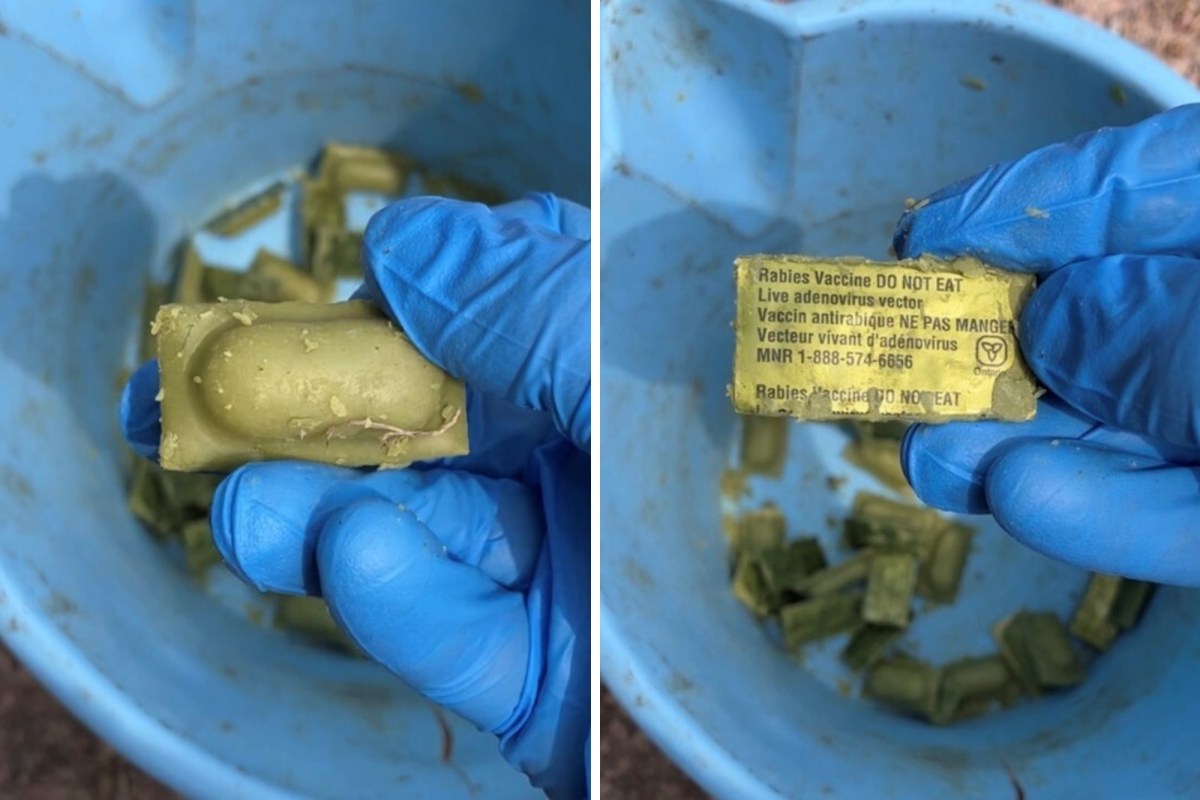
Some are sweet-smelling, like a Nilla Wafer, Kwit said, while others are fishy.
“It’s actually really, really yummy smelling,” said Kwit, who has helped distribute baits by hand in urban areas in the past. “But I’ve never had to handle the fishy ones.”
The hope is that the vaccination campaign can help contain the spread of rabies in wild animal populations, protecting humans from the deadly disease.
It’s not clear what has driven the increase over the past few years, or why cases seem to be spreading north.
“That’s the million-dollar question,” Kwit said. She said it could be that rabies was reintroduced to populations that had a lower immunity, but the causes aren’t entirely clear.
Kwit said it’s important for people to be aware of the higher prevalence of rabies and to take steps to protect themselves and their pets. That can include ensuring that pets are vaccinated and making sure to never touch wild animals — even babies that may appear to be orphaned.
People who do interact with a wild animal, or find a bat in their home, should call the rabies hotline, Kwit said, which can help people determine what to do if they think they’ve been exposed.
As for those little medicinal gushers, if you happen to find them, leave them there. Human scents on the baits can be offputting for animals, keeping the vaccines from getting to their intended destination, Kwit said. If people need to move the vaccines, Kwit suggested using a plastic bag or a glove, not bare hands. The Vermont Department of Health also recommends immediately washing with warm water and soap if a person comes into contact with one of the baits.
Kwit said the vaccines aren’t harmful to pets, but that if a pet eats one it should be reported to the USDA so the department knows how many doses aren’t reaching wild animals.