

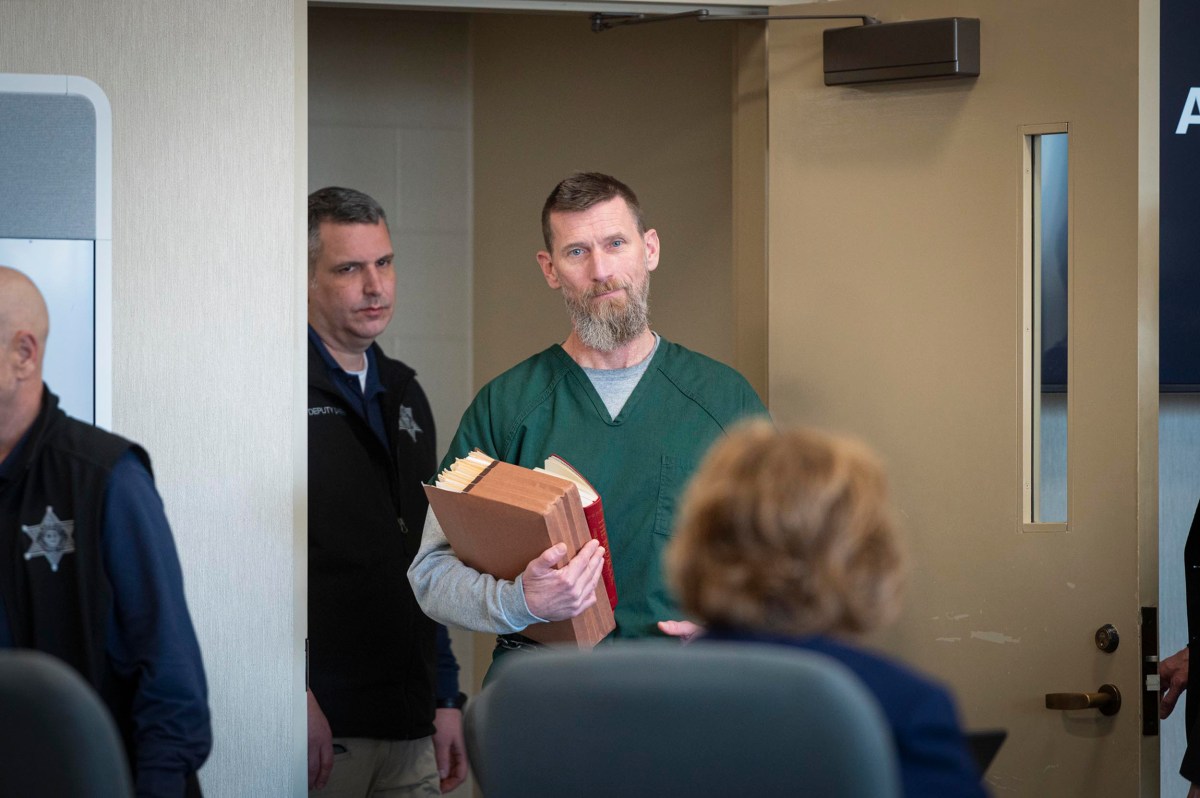
BURLINGTON – A Vermont judge heard conflicting testimony about whether a Burlington man who is charged with shooting and wounding three Palestinian students more than two years ago in Burlington is competent to stand trial.
Following a daylong hearing Monday in Chittenden County Superior criminal court in Burlington, Judge John Pacht gave the prosecution and defense two weeks to file any additional written briefs regarding Jason Eaton’s competency. The judge said he would then issue a ruling.
The hearing featured a witness for the defense testifying that Eaton was not competent, claiming he suffered from delusions, including that he was being directed by the CIA through wireless communications.
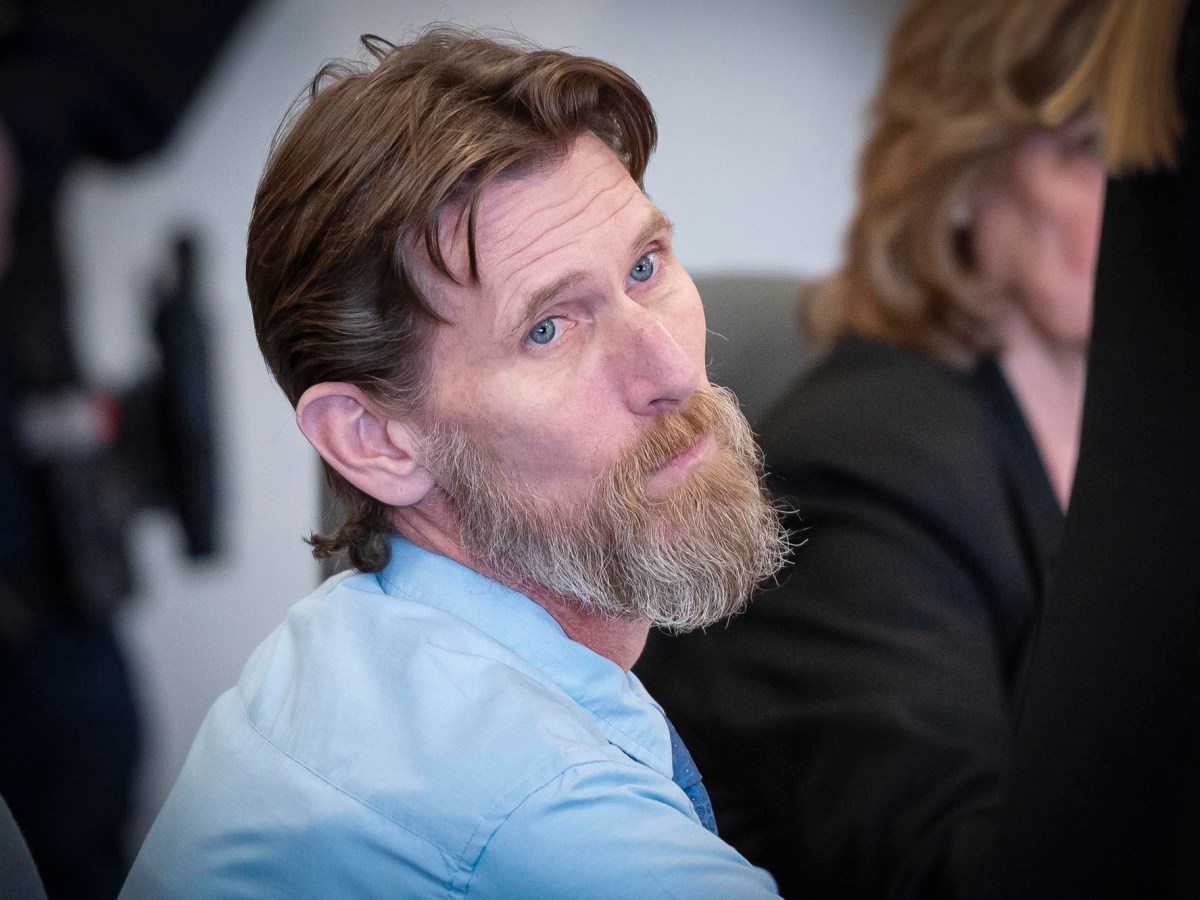
The prosecution witness disagreed with that assessment, countering that Eaton had a strong knowledge of the legal proceedings and while not agreeing with his own attorneys on some aspects of his defense has been able to work with them.
Pacht, the judge, said as the hearing was coming to a close that while the issue of Eaton’s competency remained outstanding, he wanted the attorneys to be back in court next week to discuss a questionnaire that will be sent to potential jurors ahead of the currently scheduled June 1 trial.
Such questionnaires have been done in the past in other high-profile cases to help screen jurors.
Eaton, 50, has been held in custody without bail since November 2023 when was arrested and charged with three counts of attempted second-degree murder.
Prosecutors allege that on the evening of Nov. 25, 2023, Eaton shot the three young men as they walked on North Prospect Street in Burlington. The three men who attended colleges outside Vermont — Hisham Awartani, Kinnan Abdalhamid and Tahseen Aliahmad — had been in Burlington, visiting friends and family over Thanksgiving.
The three men who did not know Eaton told police that he allegedly came at them from a porch and, without saying anything, shot all three. At the time of the shooting, according to charging documents, the three men were wearing keffiyehs, a traditional scarf that is a symbol of Palestinian identity.
No motive for the shootings has been revealed.
Two of the men who were shot were treated for injuries at the hospital and later released. Awartani suffered the most severe injuries of the three, with a bullet lodged in his spine that has left him paralyzed from the chest down.
Chittenden County State’s Attorney Sarah George, speaking after Monday’s hearing, told reporters she was confident that Eaton would be deemed competent to stand trial.
“I believe he’s competent, I think he’s intelligent, and I believe that what he is doing is intentional,” George said.
Margaret Jansch, an attorney for Eaton, told reporters following the hearing that she was hopeful the judge would find her client not competent due to his delusions and inability to properly assist in his defense.
“He has repeatedly said that he has been in contact with the CIA and that although he’s not a James Bond, he’s been a government agent and they directed him to take the actions that he took,” Jansch said of Eaton.
“He has consistently up until last month maintained that he has been acting as a government agent,” Jansch added. “Do I think that’s incompetent? I think that it’s so implausible, especially as he has described being retained through his Bluetooth and the FM radio.”
The hearing Monday was the latest attempt from Eaton’s defense attorneys to challenge his competency to stand trial. Eaton had previously been ruled competent to stand trial in November 2024.
His attorneys said another review of his competency was needed after a hearing last year when Eaton said in court that he acted under the instructions of government agencies at the time of the shootings.
Fabian Saleh, a forensic psychiatrist with The Johns Hopkins Hospital who conducted an evaluation of Eaton for the defense, testified Monday that he found Eaton not competent to stand trial.
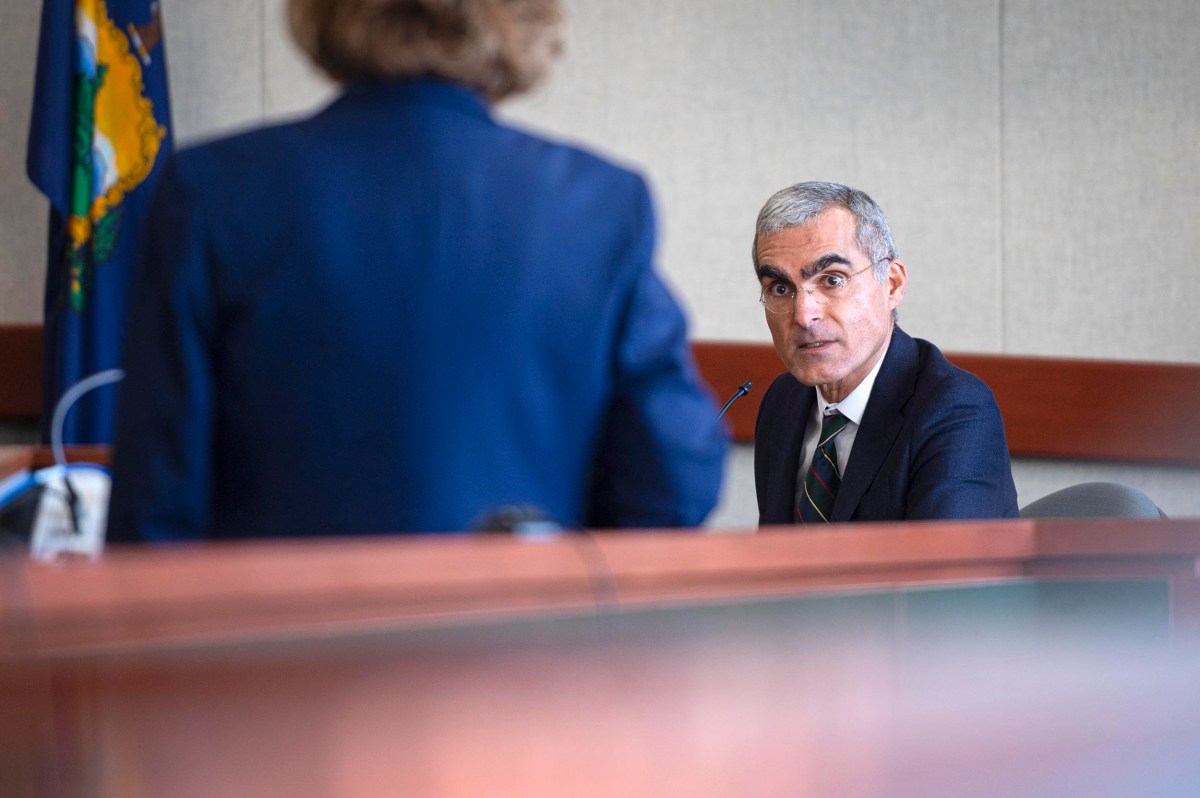
Saleh said Eaton didn’t have a “rational” understanding of the proceeding and lacked a “rational” ability to work with his attorneys in his defense. Saleh said he diagnosed Eaton as having a psychotic disorder and suffering from delusions.
Eaton, according to Saleh, said he had been receiving communications from government agencies, including the CIA, before the shooting of three men in November 2023, having received those communications through FM radio transmissions and wireless devices.
“He felt that he was operating as an agent of the CIA,” Saleh said of Eaton, adding, “That’s where the problem ultimately is.”
Saleh also said Eaton believed he was entitled to have his case heard in federal court and not state court, which would allow him to assert in his defense that his alleged actions leading to the charges against him were directed by the government.
Saleh said while there was no evidence to support the claims Eaton was acting on behalf of a government agency, Eaton steadfastly held to them.
Keelin Garvey, a forensic psychiatrist contracted with the state to provide mental health evaluation, also testified Monday, disagreeing with Saleh’s assessment. Garvey said in court that she believed Eaton was competent to stand trial and could work with his attorneys.
Garvey, under questioning from Chittenden County Deputy State’s Attorney Sally Adams, said she diagnosed Eaton as having a narcissistic personality disorder. Garvey said Eaton, who she described as intelligent, displayed a sense of entitlement and had an “inflated” view of himself and his past accomplishments.
“He demonstrated he had some ideas that might be fringe or conspiracy theories,” Garvey said of Eaton, later adding, “I found him able to consider the possibilities his ideas may be wrong.”
Eaton, dressed in green prison clothing, sat quietly at the defense table between his two attorneys throughout the hearing. Several times he moved his chair with wheels a short distance back from the table and then rolled closer to it to confer with his lawyers.
Jansch told the judge as the hearing came to an end Monday that her client wanted the judge to consider releasing him on bail.
Patch said he wasn’t taking that up, at least now. Instead, the judge told the defense attorney to submit a motion in writing.
