

Rochester will be home to the first multiuse, adaptive outdoor recreation center in Vermont, project partners Vermont Adaptive Ski and Sports and Vermont Land Trust announced Wednesday.
“The way we’ll be developing it and utilizing it in Vermont will be the first-of-its-kind,” said Erin Fernandez, executive director of Vermont Adaptive.
The central recreation hub will host multiday programming for veterans and affordable housing for Vermont Adaptive interns, often studying therapeutic recreation occupational therapy or physical therapy, she said.
In creating the outdoor center, Fernandez said she wanted to ensure facilities focused on holistic health and wellness. She also plans to create a meditation garden, sauna, cold plunge, cabin-style camping yurts and outdoor camping sites.
Executive Director Gus Seelig said the Vermont Housing & Conservation Board provided around $765,000 of funding to secure the purchase of the property in December. The project benefits the organization’s conservation goals and expands Vermont Adaptive’s ability to serve people with disabilities, veterans, students and Rochester’s rural community, Seelig said.
“This is a parcel of land that, from a recreation and natural areas perspective, would have been worthy by itself,” he said. “And the programming just enhances the value of the land. It’s going to improve quality of life for a whole bunch of people that Vermont Adaptive serves.”
Under the award conditions, the land must have a forest management plan and be placed under a conservation easement, Seelig said. Any changes to the farmhouse on the property must be done in consultation with the Division for Historic Preservation, given the building’s eligibility for the historic register, he added.
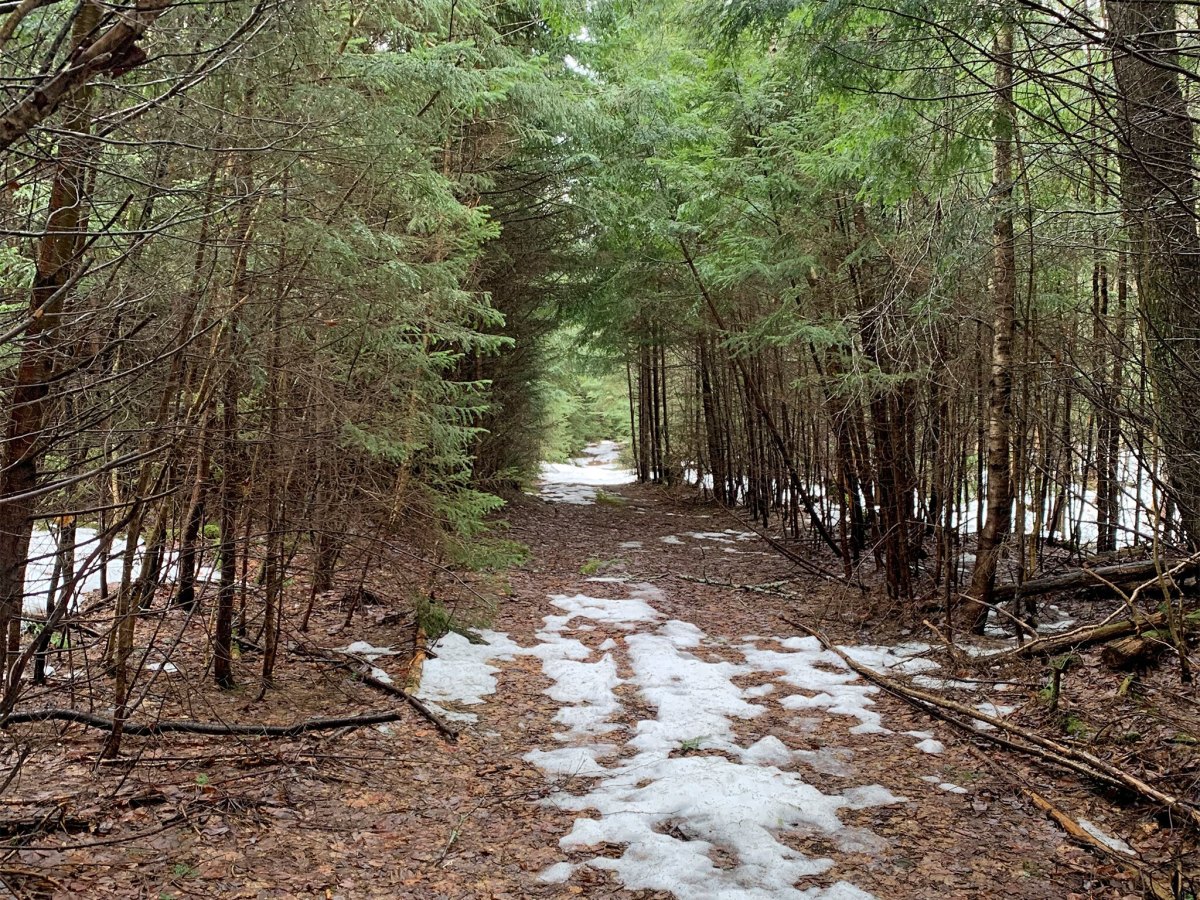
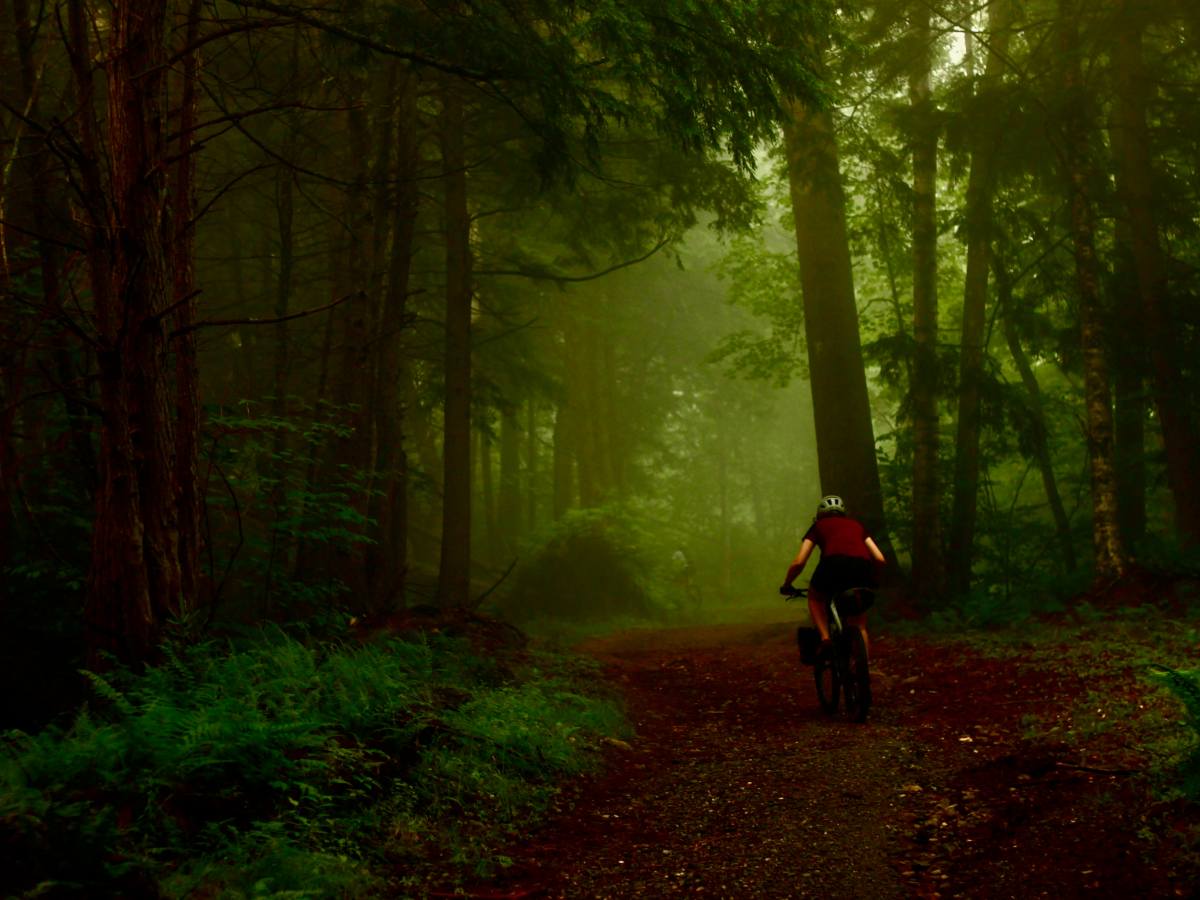
Most of the 125-acre property will remain open to the public for recreation on trails for hiking, mountain biking, cross-country skiing and snowshoeing, as the land already has trails in place that connect to the Ridgeline Outdoor Collective trails in Rochester and the larger, long-distance Veloment trail network, said Mead Binhammer, project director at the Vermont Land Trust.
Around 20 acres of the property is not under the conservation easement and will be used for Vermont Adaptive’s recreation opportunities and programming, Fernandez said. Northern Border Regional Commission has provided a $500,000 grant for repairs and to build out accessible facilities.
In partnership with the property owners Vermont Adaptive, the Vermont Land Trust will head projects to create a buffer for streams and wetlands on the property that flow to the White River watershed, Binhammer said. This will help mitigate the impacts of significant flooding events like what Rochester faced during Hurricane Irene, he said.
The trust will also help review Vermont Adaptive’s forest management plan to ensure actions benefit forest health and ecological diversity, Binhammer said.
“We think conservation projects like this, that sort of protect the upland surrounding a community may help to buffer those flood pulses and keep forests forested,” Binhammer said. “I think this is such a beautiful property — both for conservation reasons and recreation reasons — and think it’ll have a lasting community benefit in Rochester.”
Rochester is a “special place” where the community supports recreation opportunities in all forms, Fernandez said. The location of Vermont Adaptive’s new hub also happens to be halfway between Vermont Adaptive’s existing programs at Killington resort and Sugarbush resort, she added.
The property adds to 1,500 acres that Vermont Land Trust has already conserved in the Rochester Valley, Binhammer said. The local community’s economy is “really focused on outdoor recreation, bicycle, hiking use, and that pairs really well with conservation,” he added.
As the project rolls out,Fernandez said she envisions building out an adaptive mountain biking skills park, a farm-to-table harvesting garden, environmental education programming and other ideas people offer.
“I’ll get the infrastructure laid out, and then from there, it’s whatever people really want to build, so I’m hoping it brings value and a lot of excitement to the community,” Fernandez said. “We hope it’s a space for everybody and all the populations of people that we serve. We could do some really fun and creative adventure and learning there.”
