


The federal Centers for Disease Control and Prevention scaled back federal guidelines for childhood vaccines Monday, moving six immunizations out of the “recommended” category. Following the federal action, Vermont officials and health experts are reaffirming the state’s commitment to its existing childhood immunization schedule, which recommends many of the vaccines that the CDC had removed.
The vaccines for flu, RSV, meningococcal disease and hepatitis A and B were among the vaccines removed from the federal recommended category. In Vermont, they remain recommended or required for child care or school attendance.
The move is the latest in a series of efforts led by U.S. Health and Human Services Secretary Robert F. Kennedy Jr., who is an outspoken skeptic of vaccines, to move away from established medical science on immunization.

“In Vermont, vaccine policy will continue to be guided by scientific evidence and informed by trusted medical organizations, including the American Academy of Pediatrics,” state Health Commissioner Rick Hildebrant wrote in a statement Tuesday.
“As always, we encourage families to consult trusted health care professionals when making decisions about their children’s health, including their pediatrician, school nurse, or local pharmacist. We also urge caution when sharing or acting on unverified or misleading health information,” his statement continued.
On Tuesday, he appeared before the Vermont House of Representatives’ Committee on Human Services to address the federal change and to testify about a proposed state bill that aims to protect access to vaccines for those who want and need them in Vermont.
Hildebrant confirmed to lawmakers that the cost of and access to childhood vaccines has not changed with the federal recommendation shift — insurers are still required to cover the costs of these vaccines. But the Health Department is still taking steps to prepare for a future where that is no longer the case as federal policy under President Donald Trump’s administration continues to change.
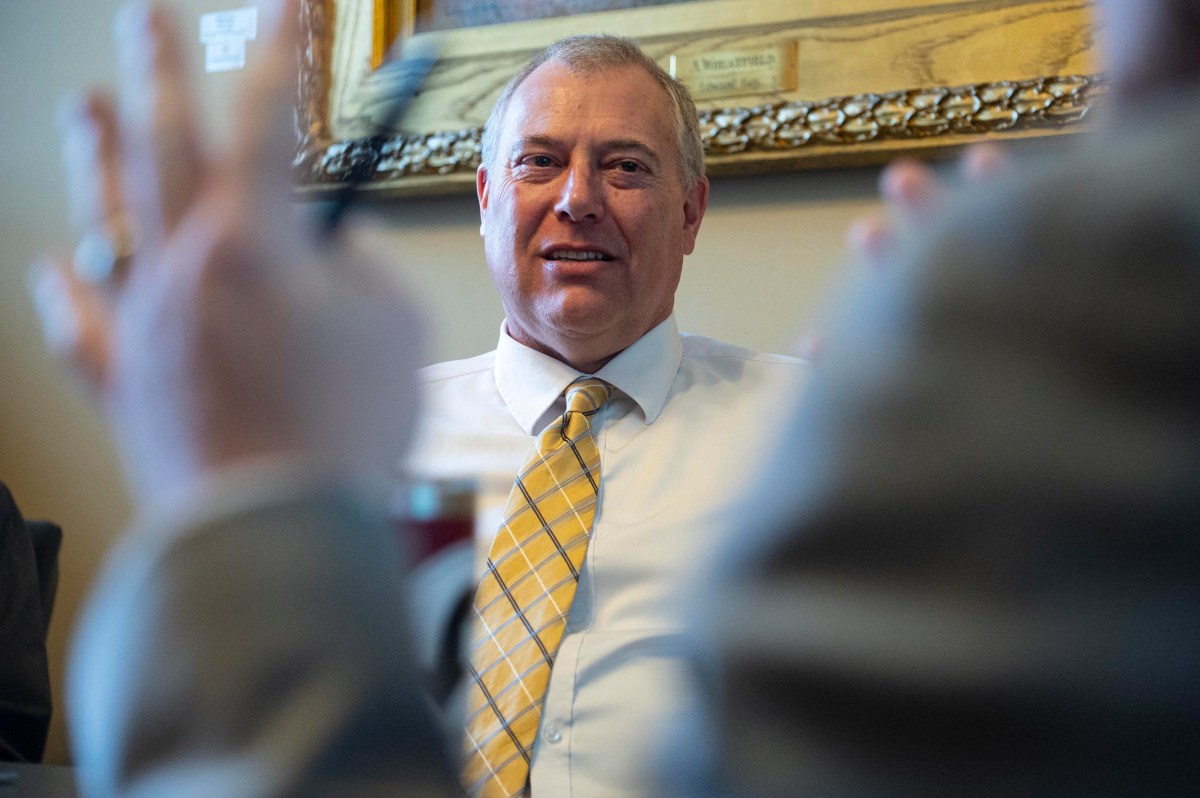
“We are very concerned about what this could look like in the future,” he said, adding that he worries this change is “setting the stage” for more drastic restrictions on access to vaccines.
He said the Health Department is working to proactively safeguard vaccine access in Vermont. The proposed bill H.545 is one path it is taking to do so.
Currently, the state buys vaccines from the CDC, which buys the vaccines from manufacturers in bulk and is able to offer lower prices. Yet, earlier in the fall, this reliance on the federal body led to delays in the state’s ability to procure the Covid-19 vaccines.
The bill also includes clearer guidelines for the state’s immunization recommendation processes, relying on a committee of local experts, not just federal vaccine panels. It adds details to ensure insurers will continue covering the cost of vaccination and to offer legal immunity for providers who administer the vaccines in good faith, following broadly agreed upon medical science.
Tracy Tyson is a pediatrician and the president-elect of Vermont’s chapter of the American Academy of Pediatrics. She told lawmakers in Tuesday’s hearing that her organization sees Vermont as setting an important example by solidifying its own state vaccine schedule separate from federal recommendations.
Those at American Academy of Pediatrics “see Vermont as a trailblazer in protecting the relationship between public health, its providers and its patients,” she said.
She still worries there is serious harm in the current landscape of shifting federal guidelines. Even though children can still get the vaccines and insurance will cover them, the confusion that many parents face about what protections their child should receive and when is dangerous, she said. It hinders “true, informed consent,” Tyson told lawmakers.
“It may seem like it’s giving more autonomy to families, but what it’s giving is more confusion, and that is going to lead to more lapses in care,” she said of the altered vaccine schedule.
Many health care providers across the state have echoed the state Health Department in reaffirming the safety of the previous CDC vaccine schedule.
“This schedule is grounded in rigorous science and the expertise of immunologists, infectious disease specialists, and public health professionals,” Dartmouth Health Children’s chief physician Keith Loud wrote in a statement, referring to the previous guidelines. The children’s hospital will continue to root its recommendations in the American Academy of Pediatrics schedule.
The Vermont Chapter of the American Academy of Pediatrics, Vermont Academy of Family Physicians and the Vermont Medical Society issued a joint statement echoing the importance of these vaccines.
They are important not only for children’s health, Hildebrandt added in his address to the House committee, but it is also a massive cost-saving tool for the health care system.
“The reason we use vaccines is to prevent expensive and deadly illnesses,” he said, giving the example of a $10 flu shot that could prevent a child from landing in the emergency room or intensive care unit, wracking up hundreds of thousands of dollars in medical bills.
“The data on vaccines is a slam dunk. These are cost saving, not cost generating,” he said.
