


Jillian Kilborn is particularly excited to put up her bird feeders this year. Food shortages up north are expected to send winter finches to Vermont for the season, meaning that she could see Red Crossbills and Pine Grosbeaks in her yard for the first time since 2021.
Birders call it the “finch irruption.”
“We were home on a consistent basis because of Covid, so I really kind of got to engage with the birds that were coming that winter,” she said. “And it was really cool, because we had big flocks of all those species. So I’m just hopeful that we’re going to see the same thing this winter.”
Kilborn isn’t just an avid birder; she’s a bird biologist for the Vermont Department of Fish and Wildlife, meaning that she has a fascination with studying how birds interact with their environment.
“There’s so many different species that use so many different types of habitats that it’s just every day I’m learning something new,” she said.
While birds don’t need backyard feeders to survive, Kilborn said, the activity is a great way to interact with nature from the comfort of your own home.
But the department also has an unofficial motto: “feed birds, not bears,” Jaclyn Comeau, the black bear project leader for the department, said via email. Cold temperatures and snowy days are the only time when Vermonters can feel safe putting up bird feeders without the fear of unwanted bear visitors, Joshua Morse, spokesperson for the Department of Fish and Wildlife, said in an email.
If you’re thinking of putting up a bird feeder this year, here are some tips about how to do it safely and what else to know about getting into backyard birding.

When is it safe to start putting out food for birds?
Bears find the most common types of bird food very tasty, according to the department’s website. They’re particularly fond of suet and black oil sunflower seeds and will sniff out even the remnants of seed left on the ground around a feeder.
Department officials have previously said that the number of human-bear interactions has been on the rise for the past decade, leading to bears being killed.
So the department recommends that Vermonters limit their bird feeding to the season when bears are in hibernation, which generally runs from the beginning of December to the end of March. Morse wrote that the recent cold snap has made it the perfect time to start feeding.
“We still recommend people keep an eye on local conditions though,” he said. “If you’re in a place where there’s still not snow on the ground and the temps are spiking above freezing on the regular, best to hold off.”
Comeau wrote that you should also keep an eye on whether your neighbors have had any bear visits. If you hear of any bear activity, the department asks that you take your feeders down and wait until at least a week has passed without any new signs or sightings.
“Lack of food is a major factor that drives bears into their winter dens and artificial food sources like birdfeeders can incentivize bears to remain active,” she said.
What about the risk of bird flu?
In 2022, the department asked Vermonters to hold off on feeding birds at all because of the risk of bird flu, which can spread through bird feeders that become hotspots of bird activity.
Wild birds are less susceptible to bird flu than domesticated poultry, but they can become vectors that spread the disease to local poultry farms, Kilborn said via email.
But Morse said that bird flu, while still circulating in Vermont, is not as bad as it was in previous years, and the department isn’t issuing guidance for bird flu at this time.
He noted that it’s still important to clean feeders regularly to prevent disease transmission. The department’s website recommends cleaning your feeder about once a month with diluted bleach or dish detergent and hot water, then rinsing them and drying them off thoroughly before putting them back outside.
Kilborn said via email that Vermonters should keep an eye out for dead birds that can be a sign of bird flu in the community. If you find multiple dead birds at a feeder, you should take the feeders down for at least two weeks and clean them before you put them back up, along with reporting it to the department.
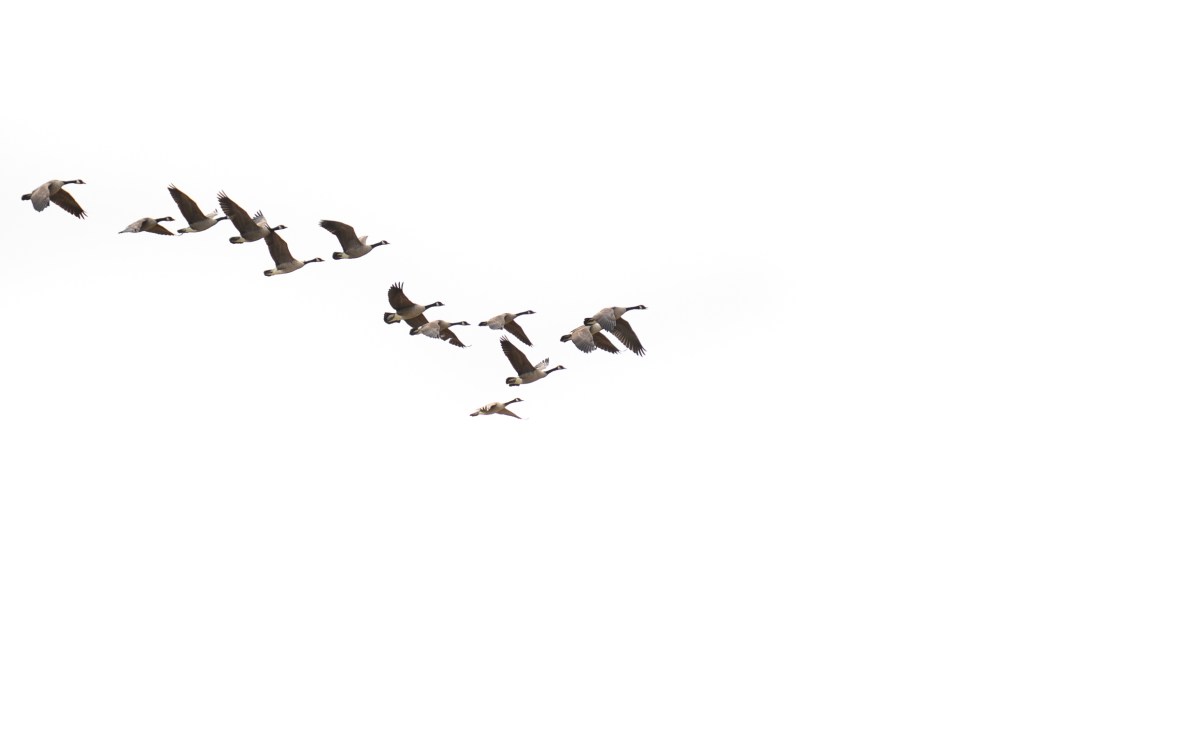
What birds can I expect in my backyard this year?
The Finch Research Network has a full breakdown on its website of the winter finch species coming to the area. But that’s just the beginning of the many birds that inhabit Vermont backyards.
More than 200 bird species have been documented in Vermont, according to the department, but not all of them have a tendency to wander close to humans. The department has downloadable checklists of birds to get you started with the most common species.
Kilborn recommended the Cornell Lab of Ornithology’s bird identification app, Merlin Bird ID, to help figure out what birds you’re seeing in your yard or in the wild. In fact, the department uses the app’s data from its “Feeder Watch” to analyze the patterns of different species in Vermont.
The Audubon Society chapter in Vermont also has many resources on backyard birding in the state, including opportunities to contribute to conservation and research. It hosts an annual Christmas Bird Count to help track the distribution of wild birds in their wintertime habitats.
What else can I do to foster a bird-friendly backyard?
Kilborn said there’s been a growing national movement to foster more wildlife-friendly environments in backyards. For most people, that means planting more native plants, maintaining ecological diversity, and participating in “No Mow May,” a monthlong pause in mowing to give insects a home.
Seed-bearing and fruit-bearing native plants are great for local bird populations, she said. She also recommended lowering pesticide use to prevent killing the insects that birds feed on.
Even small changes can be helpful. In her own backyard, Kilborn tries to mow around flowers when they’re in bloom and only mows them after they’ve faded.
“I personally think it’s more interesting to look at pretty flowers and different things going on, and it draws all sorts of different things to the yard that are using it,” she said.
Along with her platform feeder, Kilborn maintains chickadee boxes, a house wren box and a kestrel box that she’s put up for nesting birds. The department has resources on nesting boxes, native plants and more tips for a wildlife-friendly backyard on its website.
“I just feel really fortunate to be able to get a glimpse and learn about (birds) on a day to day basis and try and make it better,” Kilborn said. “That’s kind of what keeps me going.”
