

This commentary is by Dan Jones, of Montpelier. He is an activist working for local resilience.

The Vermont State Employees Association has sued the State of Vermont to overturn the administration’s requirement that employees return to working in state offices, arguing that such a return would cause discomfort to some workers. The state, while acknowledging and accommodating special needs requests, maintains that many state services are best delivered by employees working in person.
I admit that I urged such a decision from the governor months ago. I hoped that bringing workers back into their offices would help restore commercial life to cities like Montpelier, which were hollowed out by the Covid-era work-from-home exodus. But the issue is deeper than downtown foot traffic. At stake is a more fundamental question: what does it mean to work in public service, and what obligations come with that choice?
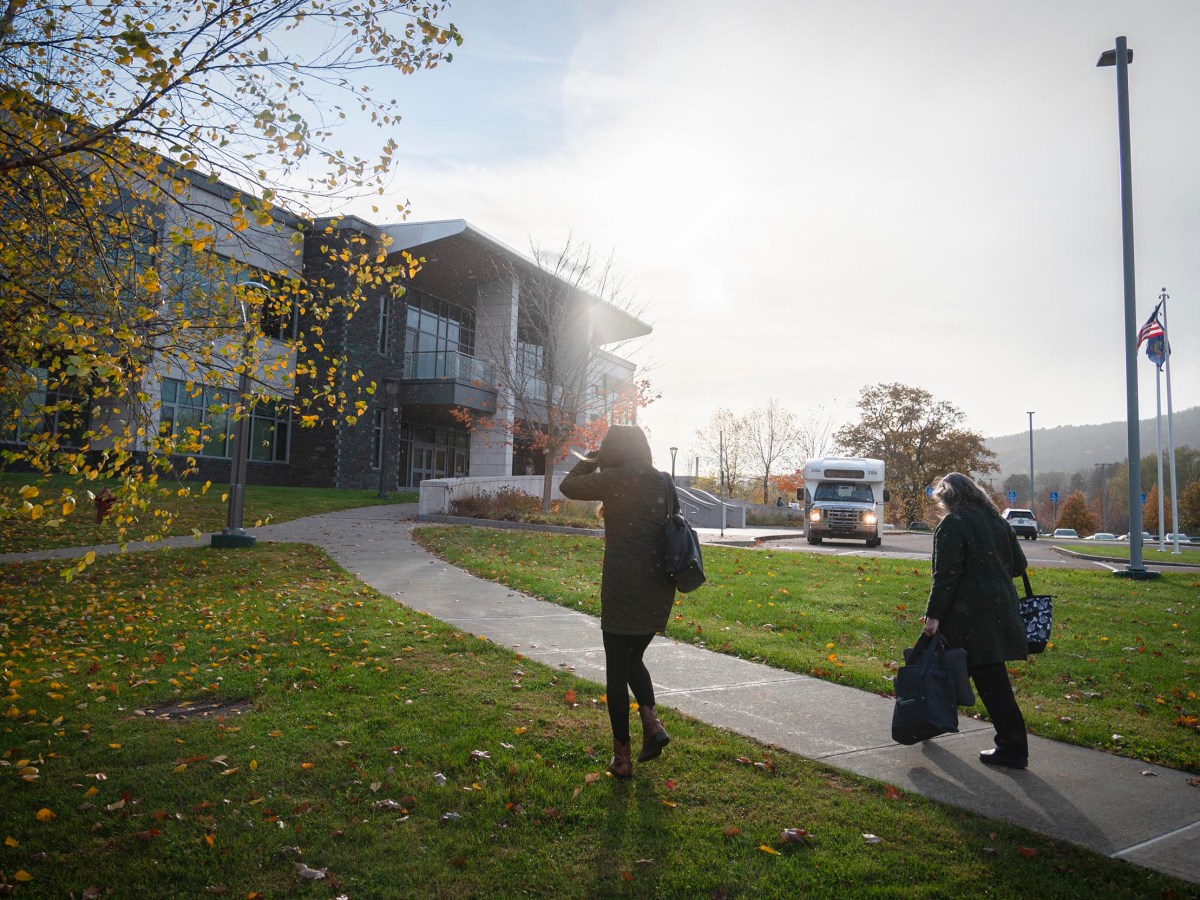
I have heard of many state employees who, taking advantage of remote work, have moved as far away as North Carolina or Florida. Raising this concern angers friends who work for the state. They argue that if the work is getting done, why should it matter where they live? To question this is often treated as heartless, as an attack on work-life balance or an insistence on unnecessary hardship.
But this reaction reflects a broader loss of a once-common civic understanding. Public service was long understood as a commitment to serve one’s fellow citizens, rooted in shared place and shared fate. Public employees accepted certain sacrifices in pay or comfort in exchange for meaningful work, stability, and the knowledge that they were contributing to the common good. In that sense, public service resembled other civic callings, including public safety work, where sacrifice was part of the job.
Once upon a time, public sector jobs paid less than private sector work but offered dignity, purpose, and security in return. Today, government is increasingly viewed as just another corporate entity, competing for labor and negotiating benefits, while belief in public service itself is dismissed as naïve. Civic obligation is replaced by transactional logic.
When public employees live far from the communities they serve, the people who rely on their work become abstractions. Taxpayers are reduced to “customers.” Neighbors and fellow Vermonters disappear from view. When the people you know, care about, and interact with daily are not the people you serve, commitment inevitably erodes.
Government bureaucracy has always frustrated citizens, but the current shift is more troubling. As government is framed as a service industry, workers are cast primarily as employees to be protected, while citizens are asked to pay ever-higher taxes for services that feel increasingly remote. The result is a growing sense that government no longer exists for the public good but as a costly, impersonal system delivering diminishing returns.
This moment demands something better. As our national politics grow more unstable and economic insecurity deepens for a majority of Americans, we will rely more heavily on state and local governments for essential support. These pressures will require difficult decisions, shared sacrifice, and renewed civic commitment. That burden cannot fall on taxpayers alone.
Public service cannot survive if government is treated either as an abusive employer or as a mere transactional service provider. Democratic strength depends on a shared sense of responsibility, where individual welfare is inseparable from collective welfare. If public employees and the institutions they serve lose that understanding, we risk hollowing out our capacity to respond humanely and effectively to hard times ahead.
Suing the state over discomfort caused by an administrative requirement signals a troubling disconnect between public employees and the democratic system funded by taxpayers. As costs rise and patience wears thin, appreciation for necessary public work will only endure if that work is visibly rooted in service, commitment, and shared community.
Whatever happened to the pride, value, and sense of purpose that were once understood as core benefits of working in service to the public good?
