

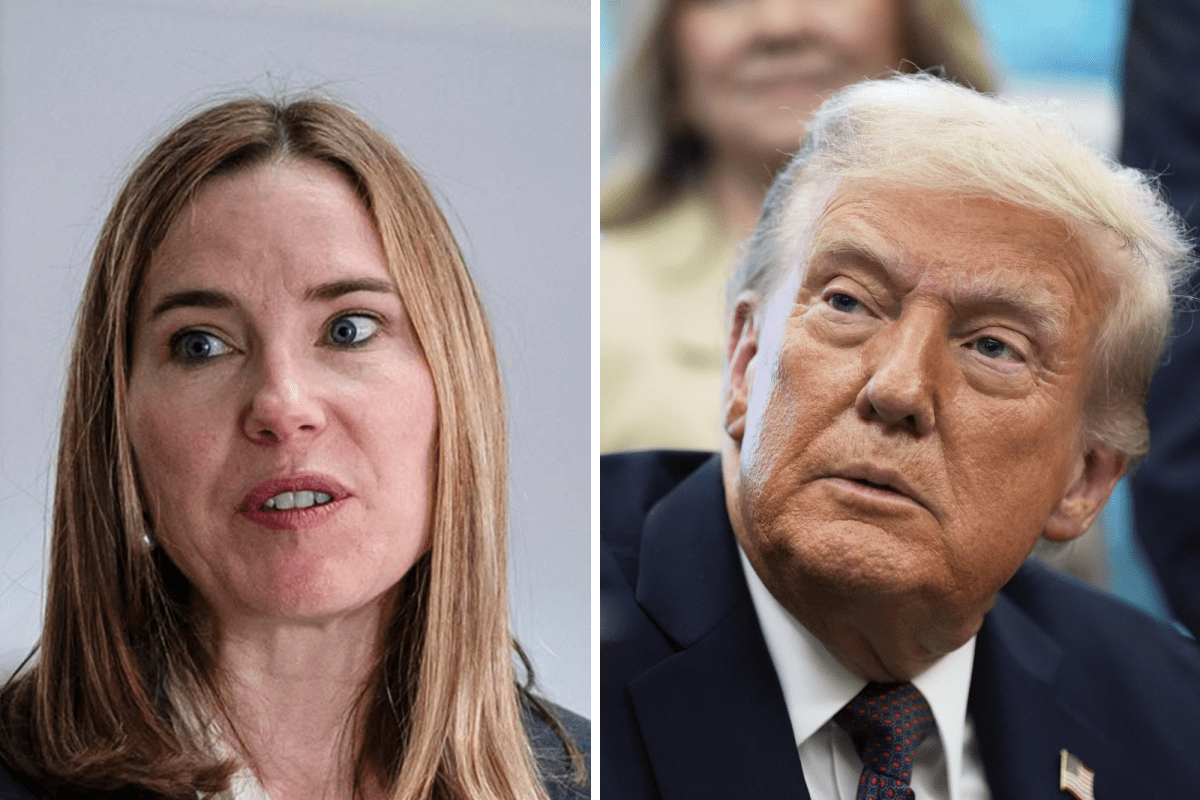
Vermont Attorney General Charity Clark joined a multistate lawsuit against the Trump administration last week over an Oct. 31 federal memo that mandated new food assistance restrictions for noncitizens.
The move came after Clark signed a joint letter to the U.S. Department of Agriculture last month, criticizing both the new rules and the department’s manner of delivering them.
The lawsuit alleges that the mandates incorrectly deny a number of groups, including some refugees and other humanitarian entrants, access to the USDA’s Supplemental Nutrition Assistance Program, or SNAP. Not only did certain changes contradict federal law, Clark and her colleagues argued in the suit, but language in the memo created confusion, and set unreasonable deadlines for implementation.
While the bulk of recent cuts to 3SquaresVT, Vermont’s version of SNAP, will remain unchallenged, the lawsuit could see benefits return to dozens of noncitizen households across the state.
On Monday, Vermont cut off or reduced food aid to a new group of roughly 22 noncitizen households — per an estimate from the Department for Children and Families — in order to comply with the federal guidance in question. Refugees and asylees, who previously qualified for the program if they held green cards, are now subject to a five-year waiting period, which Clark and her colleagues dispute.
In the raft of changes that Vermont had previously made to the program this year, a group of largely Afghan immigrants who assisted the U.S. military in their home country also lost eligibility. Last week’s suit challenges that restriction as well, which the October memo appeared to confirm.
The lawsuit, joined by Clark and officials in 20 states and the District of Columbia, seeks a preliminary injunction from a federal judge in Oregon that would allow states to quickly reinstate lost benefits where appropriate. The case is scheduled for oral arguments on Dec. 15.
“People are literally going to go hungry,” said Amelia Vath, an advisor to Clark, in an emailed statement Monday, adding that her team believes “we are very likely to win this case.”
Vermont’s Attorney General has said in recent weeks that while she disagrees with parts of the USDA’s guidance, leaders in Gov. Phil Scott’s administration have done what they feel they must in implementing new rules.
“The Trump Administration is failing the most vulnerable people, leaving states in the impossible position of trying to comply with confusing and incredibly poorly timed guidance, all while fearful of massive penalties that could be held against us for errors,” Clark said in a release last week.
July’s federal budget law outlined significant consequences for states that carried out the new food assistance changes incorrectly. Officials have projected that a small increase in Vermont’s “error rate” could incur a loss of nearly $8 million in federal funds.
Tracy Dolan, director of the state’s Refugee Office, said she could not comment on Clark’s suit, but said more generally in an emailed statement that “any changes in federal policy that would provide SNAP to non-citizens who were previously eligible would be welcome.”
“Even with full time work, some refugee families like other Vermonters are finding it hard to make ends meet due to high food costs, high housing costs and low wages,” Dolan said.
