



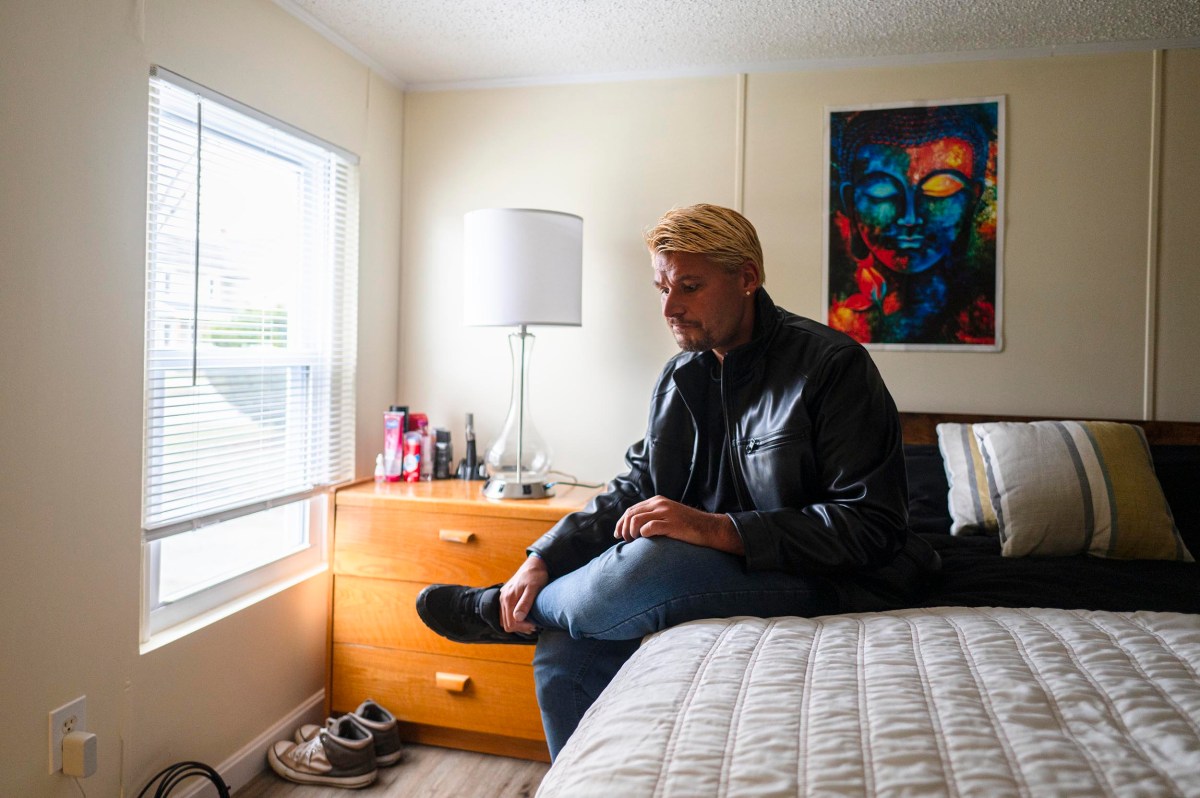
Timothy Farr knows the importance of having strong support after leaving residential treatment for people with substance use disorder: Now sober, he once faced addiction and homelessness.
These days he is working to help bridge a gap in services for people facing the same challenges he did.
Working on an initiative since August, Farr gained the help and resources from the Rutland community to launch Common Ground Recovery. The sober-living nonprofit organization gained 501(c)(3) status and Level 1 preliminary certification from Vermont Alliance for Recovery Residence, and Farr opened the first Common Ground Recovery house on Nov. 7.

The pilot house is a three-bed men’s recovery residence in Rutland City, implementing a peer-run, independent, sober-living community based on the Oxford House Model. There’s an “extreme shortage” of sober-living residences in the state, Farr said, so he hopes the organization gains support to open more housing and expand offerings to more people in recovery.
“We’ve had some pretty decent grassroots support,” Farr said. “It’s a necessary addition into making Vermont a safer, sober and more equitable place for everybody.”
The state has recovery residences geared toward higher levels of care and monitoring, but there is a gap in Level 1 residences — which are peer-run houses like Common Ground Recovery — that help people remain in a sober-living community and transition to permanent housing, said Candace Gale, director of community relations for Vermont Foundation of Recovery.
Tracie Hauck, director of Turning Point Center of Rutland, said she is not aware of any Level 1 residences in the Rutland area, and Common Ground Recovery helps provide continuity, independence and longer access to recovery community resources while also freeing up space in residences for people in need of more intensive care.

Advocates have long voiced concern over the lack of “stepdown” facilities in the state, or residences that provide less intensive, long-term housing and resources after people receive short-term, inpatient treatment for substance use disorder and exit more structured residential rehabilitation facilities.
The lack of recovery communities that help people transition to living independently and rebuild their lives can mean people return to the same circumstances that led to addiction, increasing rates of relapse and recidivism, said Chadd Viger, chief executive officer of the Rutland County-based residential treatment organization Recovery House Inc.
“There’s such a need for sober living once folks leave a residential treatment facility,” Viger said.
Farr said he found the next step in the recovery process was missing after he transitioned from residential treatment services in Rutland County through Recovery House Inc. and completed his stint at the Vermont Foundation of Recovery’s Rutland house.
Farr said people in recovery often face a big barrier after exiting higher-level care residences, as landlords often deny housing due to low credit scores or past interactions with law enforcement. The area’s affordable housing organizations were also unable to help him secure housing when he was leaving Vermont Foundation of Recovery’s Rutland house, Farr said. So, Farr decided to create the resource he needed.
“I had no luck. It looked like I was going to be homeless on October 1. I had nowhere to go,” Farr said. “It was born out of necessity, but was also born out of inspiration, because I don’t want to see other folks hit the same roadblocks in their recovery journey.”
Marc Miller, a board member for Common Ground Recovery who works in the recovery community, said he often sees recidivism because resources often drop off after people leave treatment or incarceration.
“I think we have a state that thinks it’s incredibly progressive when it comes to human services, but the infrastructure just simply isn’t there,” Miller said.
He hopes Common Ground Recovery is able to create an environment where “people have an opportunity to get on their feet rather than fall back into the system,” Miller said.
