

Vermonters could see a nearly 12% property tax increase in 2026, according to early estimates from the state.
The news arrived Monday in the form of the “Dec. 1 letter,” an annual Tax Department projection that represents the first public-facing estimate of the average expected education property tax rates. The estimate relies on data from the state Agency of Education and local school districts, which are already engaged in their budget-making processes, and is produced in collaboration with the Vermont Legislative Joint Fiscal Office.
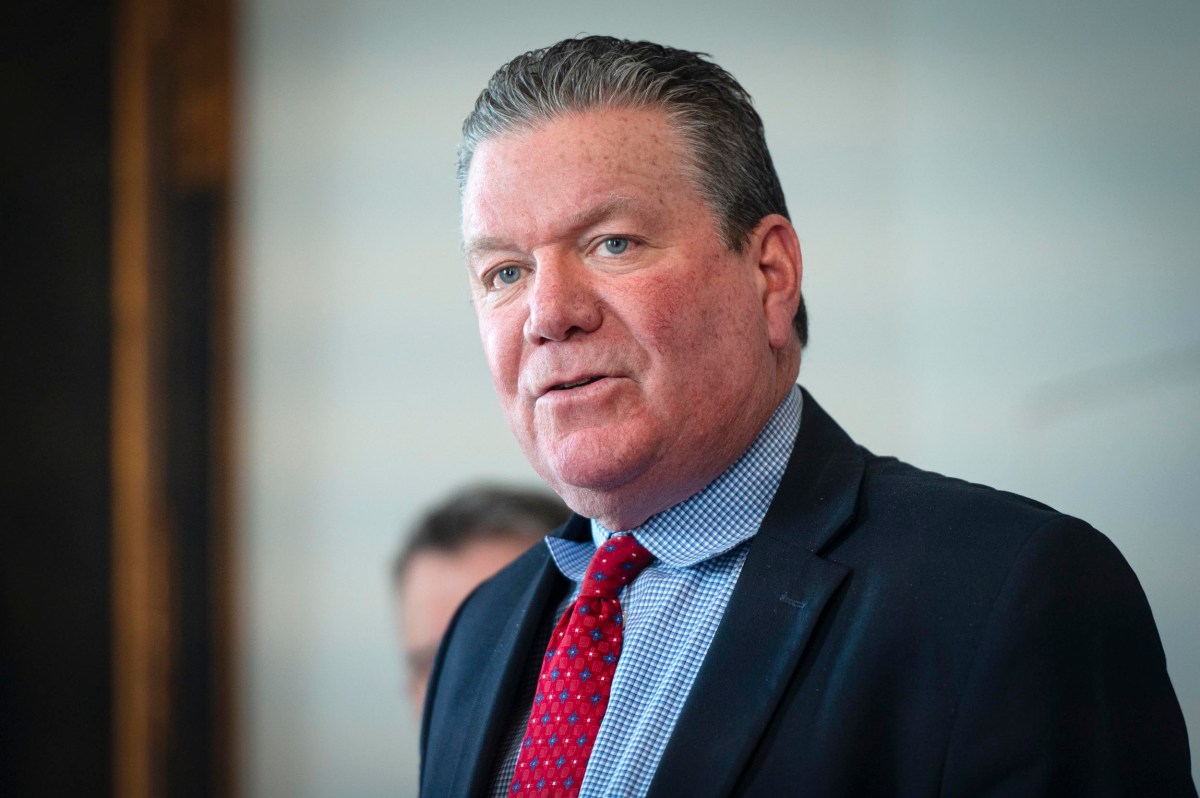
“The rate of increase that we’re talking about is simply unacceptable and certainly defines unaffordability,” Bill Shouldice, Vermont’s tax commissioner, said in a media briefing on Monday.

Education property taxes have risen more than 40% in the last five years, according to the Tax Department, even while student enrollment in Vermont has dropped.
About half of the projected 11.9% average increase is due to anticipated increases in school district spending in the 2026-2027 school year, according to the Tax Department. The other half of the increase comes from not having the one-time allocation of roughly $100 million used last year to lower tax rates, a common practice in recent years adopted by the Legislature and governor.
Property taxes rose on average by about 1% in 2025, though increases varied in towns and districts across the state. The modest increase resulted from lawmakers offsetting a 5.5% increase in school spending using one-time buy-down funds, a decision that makes this year’s increase appear higher.
Rising property taxes — and the cost of public education — have been the driving force in Montpelier politics over the last two years. In the 2024 legislative session, property taxes were projected to rise by an average of more than 18%, leading voters to reject a historic proportion of school budgets. Reductions in spending and offsetting funds lowered the tax increase to less than 14%, but that spike fueled a wave of Republican House and Senate victories last November.
Last legislative session, in response to rising education property taxes, lawmakers passed Act 73, setting in motion generational change to how education is paid for and governed in Vermont. But the bill depends on lawmakers approving new, consolidated school district maps this upcoming session. That requirement hit a speed bump last month, when the group tasked with proposing maps chose to endorse voluntary — rather than mandatory — district consolidation.
Gov. Phil Scott labeled the task force’s recommendation a failure. Education Secretary Zoie Saunders added further criticism on Monday, arguing the state needs to act now to prevent an endless cycle of property tax increases and cuts to school budgets.
“Rising property taxes have not prevented staffing cuts and school closures. Rising property taxes have not facilitated equitable opportunities for students in every community across Vermont, and rising property taxes have not moved the needle on improving educational quality,” Saunders said at the briefing. “Instead, we are contending with two enormous challenges: property taxes that families cannot afford and an education system that local communities cannot sustain.”
The 11.9% estimate was formulated using preliminary school budgets from about two-thirds of districts, according to the Tax Department. In years past, the Dec. 1 estimate has been higher than the ultimate average tax bill, as lawmakers have used new taxes and one-time money to bring down rates. School districts may also lower their budgets before votes on Town Meeting Day.
Officials said Monday it was too soon to say whether Scott and his team would recommend budgeting money to buy down property tax rates this year.
In the wake of the tax department’s Monday estimate, state political leaders chimed in to decry expected double-digit hike.
“The choice before lawmakers in 2026 is clear: show courage by working together to keep moving forward with our bipartisan transformation plan,” Scott said in a statement, “or explain to Vermonters why yet another double-digit tax increase is acceptable, and why we’ll continue to see them well into the future if we abandon our efforts.”
Senate President Pro Tempore Phil Baruth, D/P-Chittenden Central, said in a statement the pattern of property tax increases could not continue.
“The truth is that Act 73’s success depends on even harder work being accomplished this session. I am committed to continuing this mission — in collaboration with the Governor, the House and my colleagues in the Senate,” he said.
Baruth’s counterpart in the lower chamber, House Speaker Jill Krowinski, D-Burlington, echoed his call to action in a separate statement.
“It’s important for all of us to remember that the challenges before us are decades in the making,” she said, “and we will continue to see double digit property tax projections and loss of educational opportunities for kids if we do nothing.”
